IFC and Absa Bank Launch $200 Million Cocoa Finance Push to Support 139,000 Ghanaian Farmers
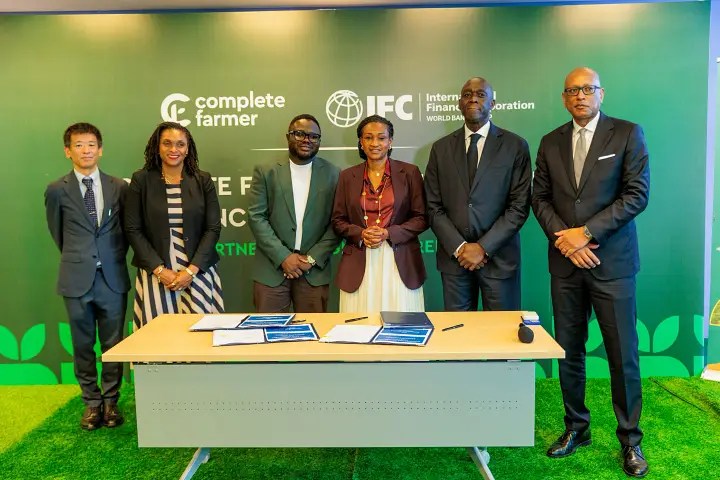
Ghana's cocoa sector is set to receive a significant financial boost following two landmark partnerships announced by the International Finance Corporation (IFC), the private sector arm of the World Bank. The initiatives aim to unlock up to $200 million in financing for Licensed Buying Companies purchasing cocoa, whilst simultaneously connecting tens of thousands of smallholder farmers to digital financing platforms and agricultural services.
Under the first partnership with Absa Bank Ghana, the IFC and the Global Agriculture and Food Security Program (GAFSP) will provide up to $50 million in risk participation funding. This will enable Absa to extend $200 million in financing to Licensed Buying Companies throughout Ghana's cocoa-buying season, directly supporting over 139,000 smallholder farmers. The scheme prioritises traceable cocoa sourcing and encourages farming practices aligned with international climate standards.
The second partnership targets a critical gap in agricultural finance: smallholder farmer access to credit and inputs. Ghana-based agritech company Complete Farmer will receive $2.4 million in convertible loan financing from IFC and the Bangladesh Investment Fund for Technology (BIFT), alongside $660,000 in grants and advisory support. This backing will enable Complete Farmer to expand its digital platform to connect 240,000 farmers with buyers, financial institutions, input suppliers and service providers by 2030.
Why this matters for Ghana
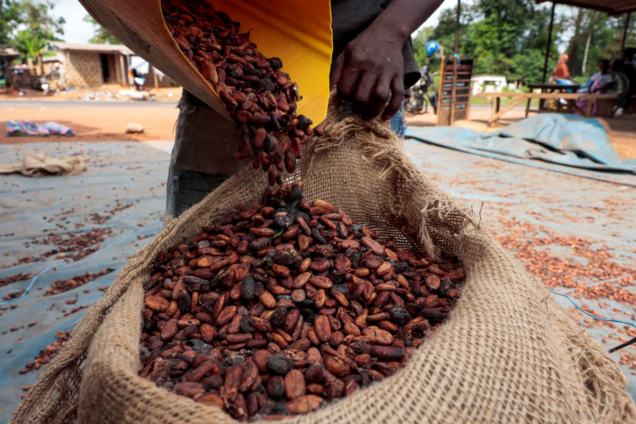
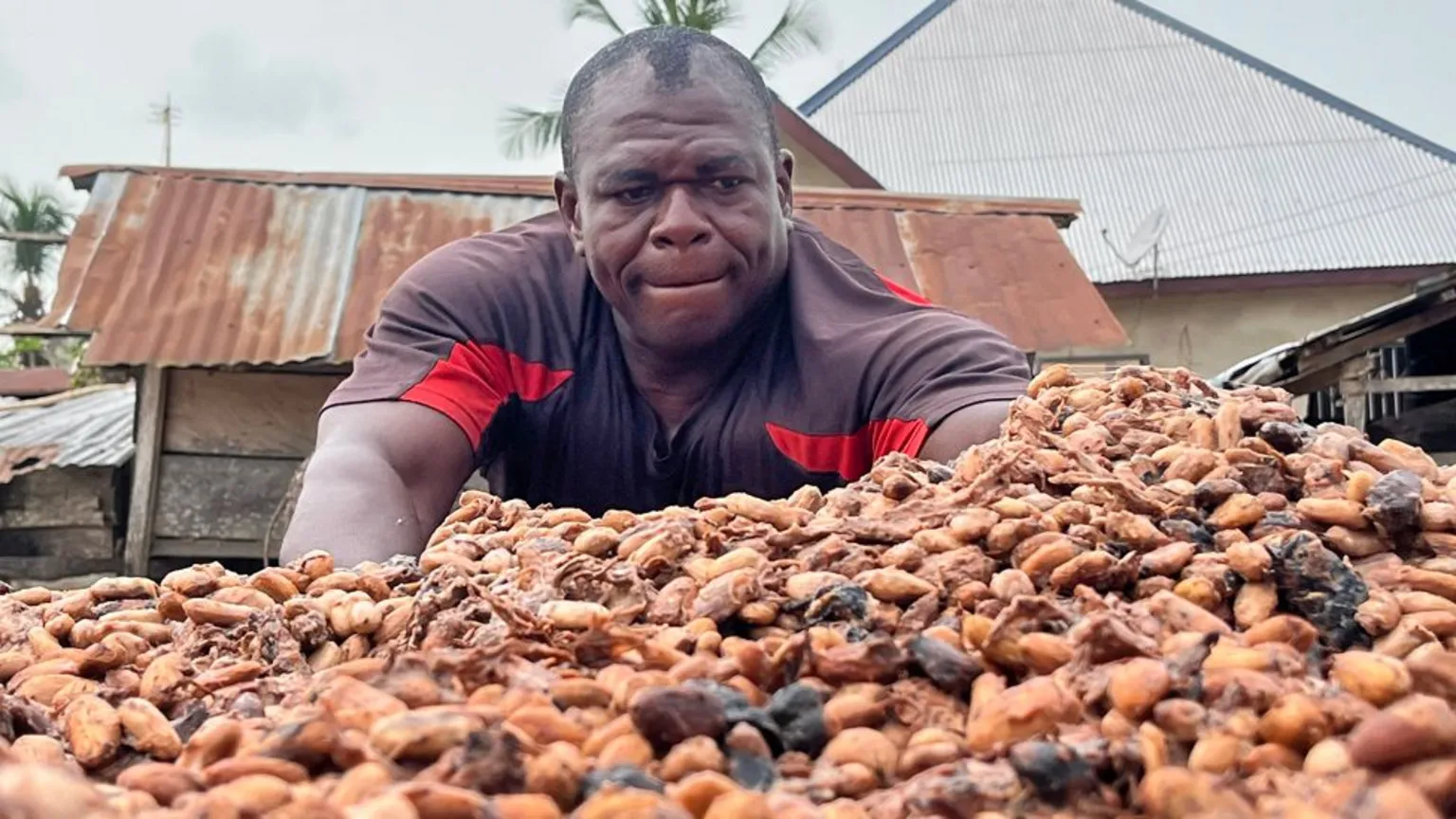
Cocoa remains central to Ghana's economy and rural livelihoods. Nearly 800,000 registered cocoa farmers generate billions in annual export revenue, making the sector a critical pillar of national income. However, smallholder farmers have long struggled with inconsistent market access, limited credit availability and difficulty accessing modern farming inputs and technologies.
These partnerships address two major bottlenecks. First, they stabilise farmer incomes by guaranteeing market access through Licensed Buying Companies with guaranteed financing. Second, they tackle the "missing middle" problem: many capable farmers lack the credit history, collateral or documentation required by traditional banks. Complete Farmer's digital platform bridges this gap by building verifiable farmer data and credit histories.
The initiatives also align with Ghana's climate commitments under the Paris Agreement, promoting more sustainable cocoa production whilst simultaneously strengthening food security and rural employment across the country's agricultural heartland.
How the partnerships work
The Absa arrangement functions as a de-risking mechanism. By absorbing part of the lending risk through the $50 million participation facility, the IFC enables Absa to lend four times that amount—a leverage model that unlocks substantially more capital than direct grants alone. Complete Farmer's model is more technology-driven: its platform aggregates farmer data, tracks production and payment histories, and links farmers directly to formal financial institutions—reducing the information asymmetries that traditionally bar smallholders from credit access.
Critically, both partnerships emphasise traceability and sustainability. With global cocoa demand increasingly driven by buyers seeking certified, responsibly-sourced chocolate, these schemes position Ghanaian farmers to capture premium prices whilst improving environmental outcomes.
Broader context and implications
These announcements form part of the World Bank Group's wider agricultural agenda in Ghana, aligned with the AgriConnect initiative. By mobilising private capital rather than relying solely on aid or government spending, the approach signals growing confidence in Ghana's financial sector and private agribusiness ecosystem.
The scale is significant: $200 million in cocoa financing and support to 240,000 farmers represents meaningful capital injection into rural Ghana. However, success will depend on execution: Absa must efficiently process loans to buying companies during tight seasonal windows, whilst Complete Farmer must deliver a platform reliable and user-friendly enough for largely non-digital smallholders.
For Ghana, these partnerships offer a potential template for agricultural development—combining donor risk capital, private banking expertise, and innovative technology to create sustainable, market-driven growth in the countryside.
Source: Ameyaw Debrah

Comments (0)
Be the first to comment.