Jurgen Klopp takes Germany helm, vows to reclaim national pride from far-right politics
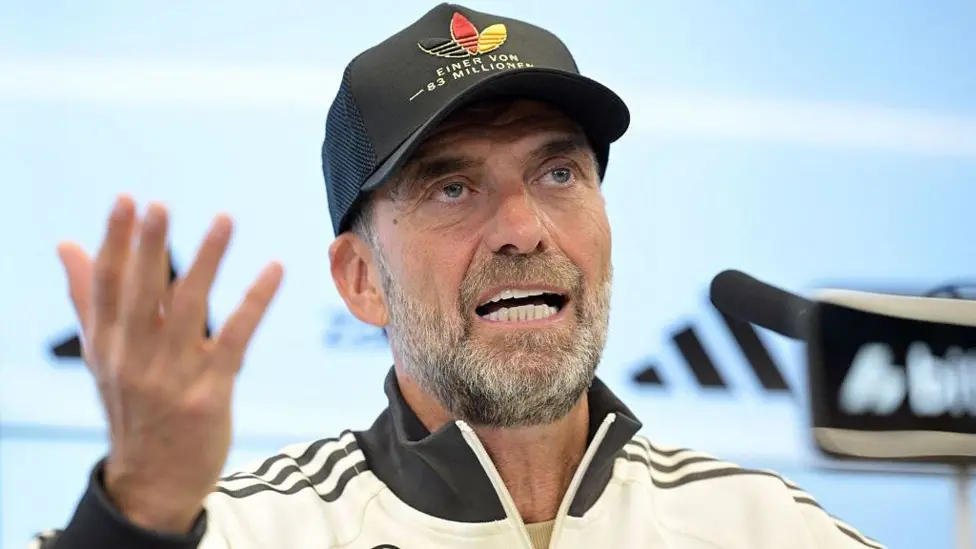
Jurgen Klopp has stepped into his role as Germany's new national football coach with an unmistakable political message, declaring that sport can serve as a counterweight to the country's far-right surge. Speaking at a press conference to unveil his first squad, the former Liverpool manager said he wants to help ensure that German national pride remains in the hands of those with inclusive, forward-thinking values rather than populist movements.
The comments come after the anti-immigration Alternative for Germany (AfD) party secured 43.8% of votes in recent elections in the eastern state of Saxony-Anhalt, narrowly missing an absolute majority in the regional parliament. The party is expected to perform strongly in upcoming elections in Berlin and Mecklenburg-Western Pomerania this weekend, marking a significant political shift within Europe's largest economy.
Klopp's vision for 'positive patriotism'
Rather than shying away from the political context of his appointment, Klopp framed Germany's football team as a vehicle for demonstrating what healthy national pride looks like. He emphasised he is not a political expert but felt compelled to speak from his position as a sportsman with influence.
"I would very much like to reclaim the flag for myself, for all of us," Klopp stated. He outlined his vision of a Germany where waving the national flag signals openness, diversity and gratitude rather than exclusionism. "I want it so that when someone waves it, no one thinks: 'What is wrong with you?' Instead, I want people to understand: You are happy and realise how lucky you were to be born, grow up, or move to this wonderful country."
Klopp deliberately chose the term "positive patriotism" over "national pride," fearing the latter phrase could be misunderstood or co-opted. He stressed that genuine German identity encompasses kindness, open-mindedness and respect for diversity—values he views as fundamentally at odds with the AfD's hardline immigration stance.
Why it matters for Ghana and Africa
While Klopp's remarks centre on German domestic politics, they carry broader implications for African nations and the diaspora. Germany hosts significant numbers of African migrants and asylum seekers, many fleeing conflict or seeking economic opportunity. The rise of anti-immigration parties across Europe, including Germany, directly affects access to opportunity, safety and integration prospects for Africans abroad.
Additionally, Ghana and other African nations have long viewed German football as a model of excellence and professionalism. A Germany team that explicitly champions inclusive values and diversity sends a powerful cultural signal to young African athletes and footballers who aspire to play at the highest levels in Europe. Klopp's appointment itself represents a symbolic moment—a globally respected figure using the platform of international football to counter xenophobic political movements, a message with resonance far beyond Germany's borders.
Squad selection and transitional challenges
Klopp named a 44-man squad featuring 16 uncapped players, signalling a fresh start following Julian Nagelsmann's departure after Germany's disappointing World Cup exit. The squad includes several Premier League-based players such as Kai Havertz (Arsenal), Kevin Schade (Brentford) and Florian Wirtz (Liverpool), alongside Munich-based talent Jamal Musiala, who was selected despite recent pre-season collapses.
The squad will be split across four Nations League matches beginning 24 September against the Netherlands, with subsequent fixtures against Greece and Serbia. The transitional nature of the squad reflects Klopp's challenge: rebuilding German football's identity and competitive standing whilst simultaneously projecting a message about the country's values during a turbulent political period.
Source: MyJoyOnline
-1.jpg)


Comments (0)
Be the first to comment.