
Ghana's Cocoa Revival Plan: How Government Reforms Aim to Transform Farming Livelihoods

Ghana's cocoa sector is undergoing significant structural reforms designed to address longstanding challenges facing the industry and its farmers, according to leadership at the Ghana Cocoa Board (COCOBOD). The initiative represents a multi-faceted approach targeting production efficiency, farmer welfare and economic sustainability across the value chain.
The reform package addresses several critical areas within one of Ghana's most important export sectors. By focusing on farmer livelihoods, the government aims to tackle persistent issues including low incomes, limited access to inputs and outdated farming practices that have constrained productivity for years. Improved financial sustainability targets the institutional and structural weaknesses that have previously hindered the sector's growth and resilience.
Strengthening Production and Farmer Income
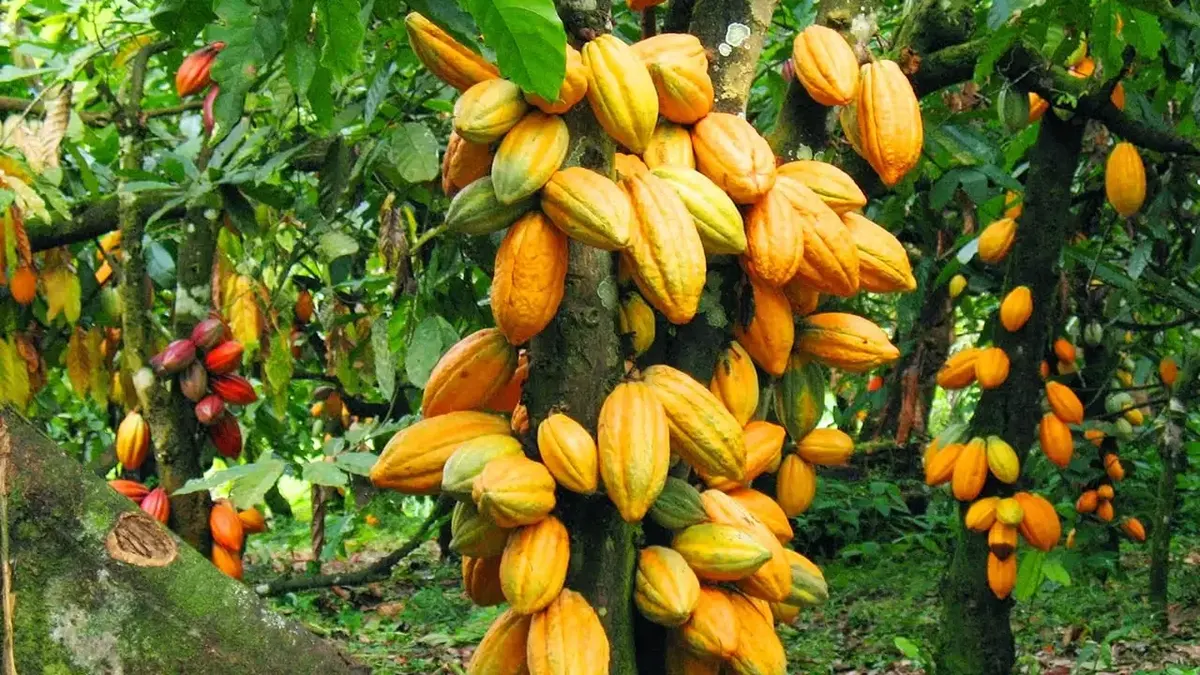
Central to the reforms is the objective of revitalising cocoa production itself. This involves modernising farming techniques, improving access to quality seeds and fertilisers, and ensuring farmers receive fair prices for their harvest. Enhanced farmer support systems and cooperative strengthening are expected to play key roles in achieving these goals, helping smallholder farmers—who produce the majority of Ghana's cocoa—to increase yields and income.
The emphasis on improving farmers' livelihoods recognises that Ghana's cocoa sector depends heavily on millions of smallholder producers operating in rural communities. By directly addressing their economic challenges, the reforms aim to make cocoa farming more attractive to younger generations and reduce poverty in cocoa-growing regions across the country.
Adding Value at Home
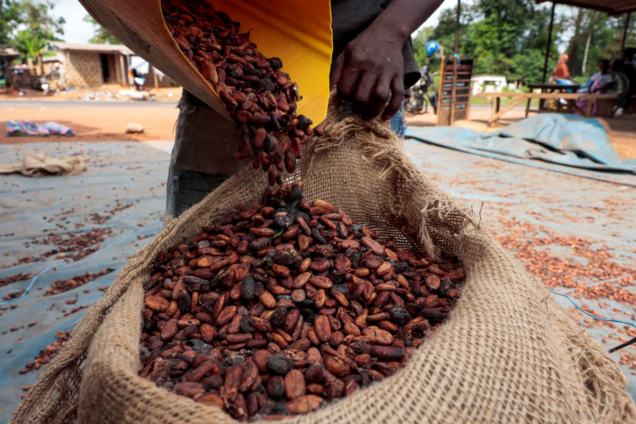
A significant component of the strategy focuses on increasing value addition within Ghana rather than exporting raw cocoa beans. This shift aims to capture more revenue domestically by processing cocoa into semi-finished or finished products such as cocoa butter, cocoa powder, and chocolate. Value addition creates additional jobs, develops industrial capacity, and allows Ghana to compete at higher margins in global markets.
This move aligns with broader African development goals to reduce reliance on primary commodity exports and build competitive manufacturing sectors. By retaining more of the value chain within Ghana, the reforms support employment creation and skills development in processing and related industries.
Why It Matters for Ghana
Cocoa remains one of Ghana's most critical foreign exchange earners and a cornerstone of the national economy. The sector employs millions directly and indirectly, and its health directly impacts rural livelihoods across major growing regions. Sustained reform is essential because the global cocoa market faces mounting pressures—from climate change affecting yields, to price volatility affecting farmer income, to increasing competition from other cocoa-producing nations.
Successful implementation of these reforms could position Ghana to strengthen its global market position while ensuring the sector remains economically viable for farmers. The focus on financial sustainability suggests authorities recognise that without structural improvements, the sector risks declining productivity and youth migration from farming communities.
These reforms also come at a critical moment as Ghana seeks to diversify its economy and build resilience against commodity price shocks. A thriving, modernised cocoa sector contributes directly to national economic stability and development goals.
Source: 3News

Comments (0)
Be the first to comment.