Oil prices recover amid US-Iran tensions and stalled nuclear negotiations
Oil prices have rebounded from recent losses as uncertainty persists around diplomatic efforts between the United States and Iran, with negotiations over regional security and nuclear issues remaining in flux. The recovery comes after markets reacted sharply to statements from US President Donald Trump regarding potential military action in the region.
The volatile movement reflects how geopolitical tensions in the Middle East directly influence global energy costs—a critical concern for Ghana, which imports all its oil and relies heavily on fuel imports for power generation and transport.
Why this matters for Ghana
Ghana's economy is deeply exposed to international oil price fluctuations. Crude oil prices affect the cost of imported fuel, which cascades through the economy by increasing transport costs, electricity tariffs, and production expenses across industries. When global oil markets spike due to Middle Eastern tensions, Ghanaian consumers typically feel the impact within weeks through higher petrol and diesel prices at the pump.
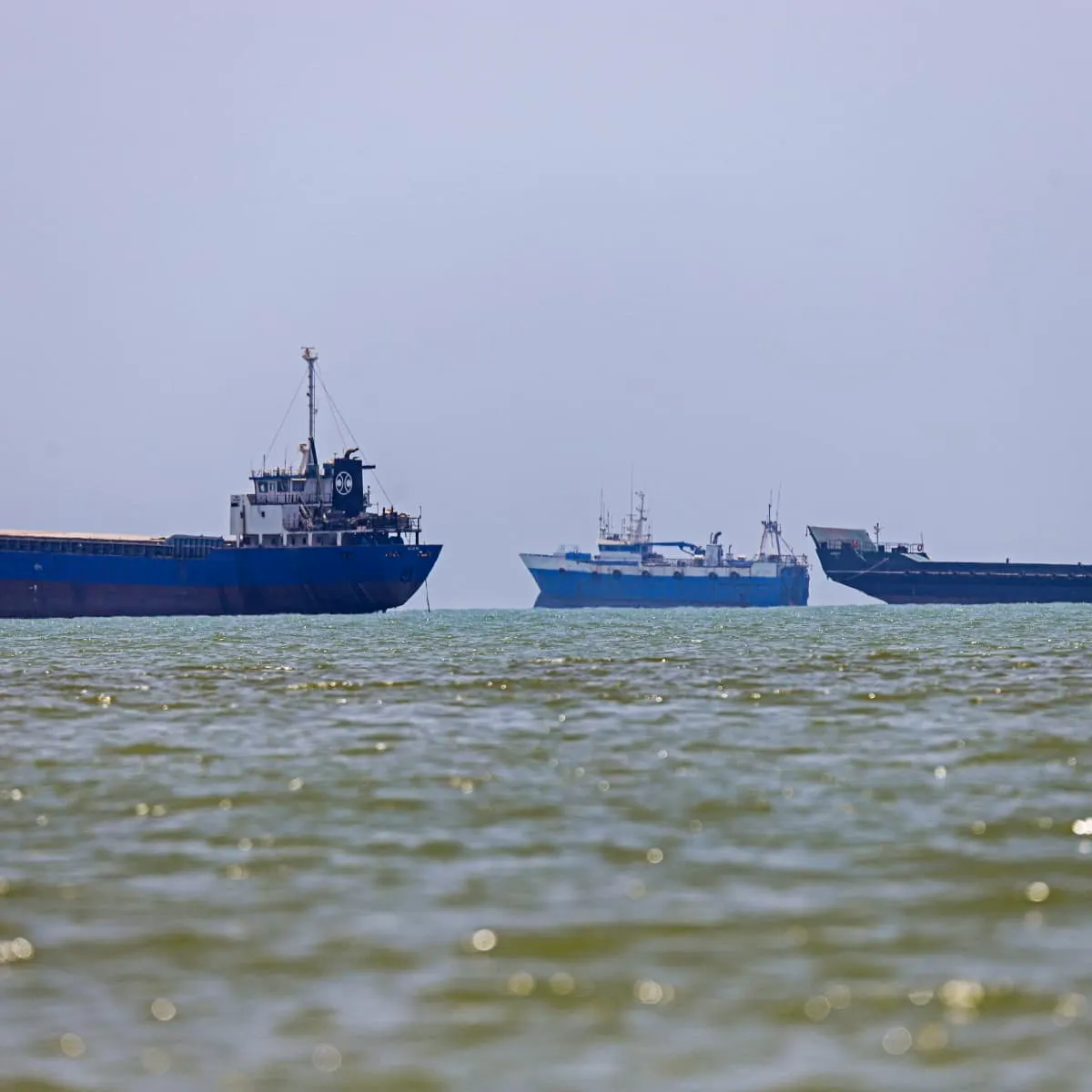
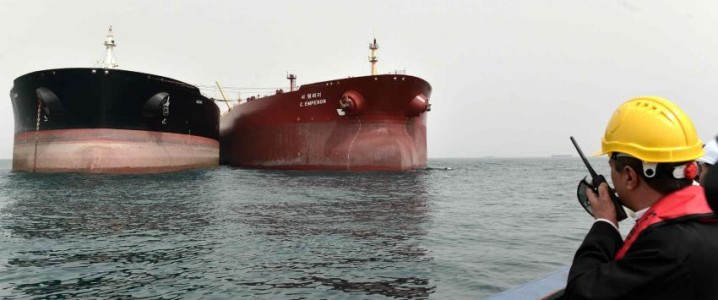
The Strait of Hormuz, through which roughly one-fifth of global oil passes, remains a critical chokepoint. Any escalation in US-Iran hostilities threatens to restrict oil supplies and drive prices upward, putting pressure on Ghana's already stretched foreign exchange reserves and import bill. For a country managing significant fiscal challenges, unexpected oil price shocks can complicate budget planning and economic stability.
Additionally, uncertainty in global energy markets affects Ghana's investment climate. Foreign investors monitor oil price stability when evaluating projects in the country, particularly in energy-intensive sectors like mining and manufacturing.
The background
Tensions between the US and Iran have periodically escalated over control of regional waterways and Iran's nuclear programme. The Strait of Hormuz dispute centres on freedom of navigation and economic interests in one of the world's most strategically important shipping lanes. Trump's statement that he is delaying military action pending talks suggests diplomatic channels remain open, though negotiations have historically been fragile and subject to rapid reversals.
Oil markets are inherently sensitive to geopolitical risk. When military action seems imminent, traders typically sell off, expecting potential supply disruptions. Conversely, signals of diplomatic progress encourage cautious buying. The modest recovery in prices reflects market participants taking a wait-and-see approach rather than confidence in a stable resolution.
What Ghanaians should expect
Continued volatility in global oil markets is likely until clear progress emerges in US-Iran negotiations. Ghanaians should monitor international news on these talks closely, as further escalation could push fuel prices higher. The government may face pressure to adjust fuel subsidies or tariffs if import costs rise sharply.
For businesses and households, now is a prudent time to assess energy budgets and consider efficiency measures, given the unpredictability of supply costs in the coming months. Long-term, Ghana's push to increase domestic oil production and renewable energy capacity becomes even more strategically important to reduce exposure to external shocks.
Source: 3News
Comments (0)
Be the first to comment.