Okada riders in Accra cry foul over alleged police extortion during traffic stops
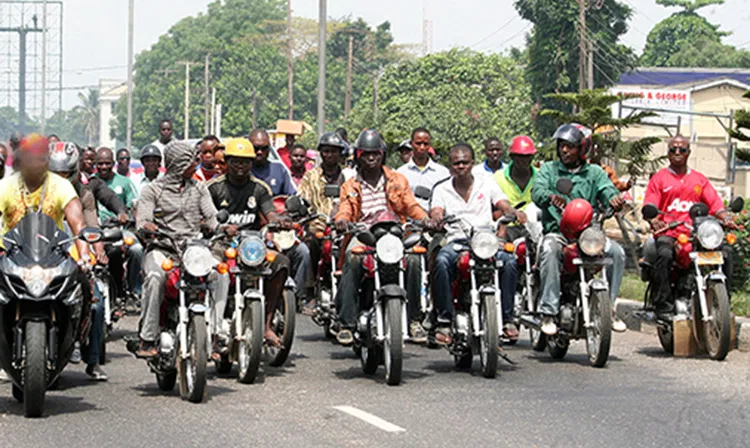
Commercial motorcycle operators in Accra are increasingly frustrated by what they describe as systematic extortion by officers of the Motor Traffic and Transport Directorate (MTTD), with riders claiming they are regularly pressured to pay cash during traffic enforcement operations without receiving proper explanations for alleged offences.
According to accounts gathered from multiple riders, the amounts extracted vary significantly, ranging from GH¢100 to GH¢200 per incident. In many cases, riders report being given minimal or no detail about what traffic violation they have supposedly committed, leaving them with little recourse or understanding of the charges against them.
The problem extends beyond roadside stops. Some riders allege that even after being arrested or detained, they face further pressure to make payments at police stations before their motorcycles are released—a particularly damaging issue given that their bikes represent their primary means of earning a livelihood.
The wider corruption problem
These complaints are not isolated grievances. Data released by the Ghana Statistical Service in August 2026 revealed that the MTTD has the highest bribery interaction rate among all police units, at 54.6 per cent. This finding underscores a systemic issue rather than sporadic misconduct by individual officers.
The Ghana Police Service itself has acknowledged the problem through recent disciplinary actions. In a high-profile case, seven officers in Accra were interdicted after a patrol team allegedly stopped a citizen, demanded an illicit payment, and coerced the victim to withdraw cash from an automated teller machine.
Why it matters for Ghana
The Okada sector is a critical part of Ghana's informal economy, employing tens of thousands of riders who depend on daily earnings to support themselves and their families. When traffic enforcement becomes a tool for extracting money rather than ensuring road safety, it directly undermines their livelihoods and breeds distrust in state institutions.
Beyond the immediate impact on riders, the prevalence of extortion by traffic police damages public confidence in law enforcement more broadly. Citizens are less likely to cooperate with or respect officers they perceive as corrupt, which weakens overall road safety initiatives and the legitimacy of traffic regulations.
Anti-corruption campaigner Bright Ofori has called for stronger accountability measures, specifically recommending that the police strengthen its disciplinary systems and adopt bodycam technology—a practice already adopted by law enforcement agencies in other countries.
The Ghana Police Service has begun rolling out TraffiTech-GH, an automated traffic law enforcement system designed to digitally monitor roads and reduce dependence on manual, in-person enforcement. The system is positioned as a transparency tool that could limit opportunities for officers to demand illicit payments and provide documented evidence of traffic violations.
For now, Okada riders continue to call for fair and transparent traffic enforcement, with clear accountability mechanisms to protect riders from abuse whilst ensuring that genuine traffic violations are properly addressed. Until enforcement practices improve, the sector will remain a flashpoint for complaints about police misconduct.
Source: MyJoyOnline

Comments (0)
Be the first to comment.