
Ghana Police Launch Automated Traffic Enforcement: What Every Driver Needs to Know About Traffitech-GH
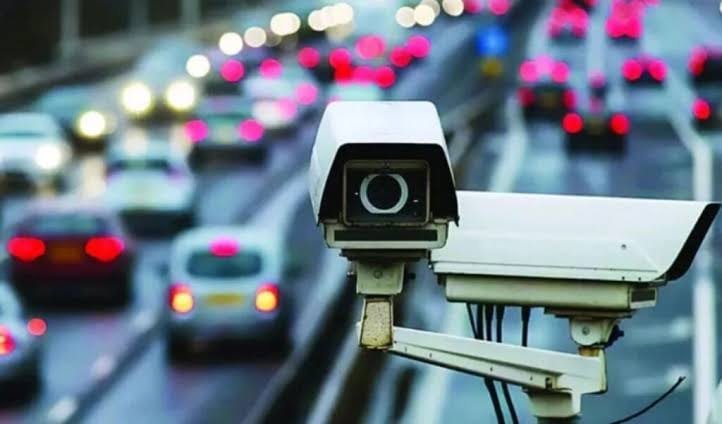

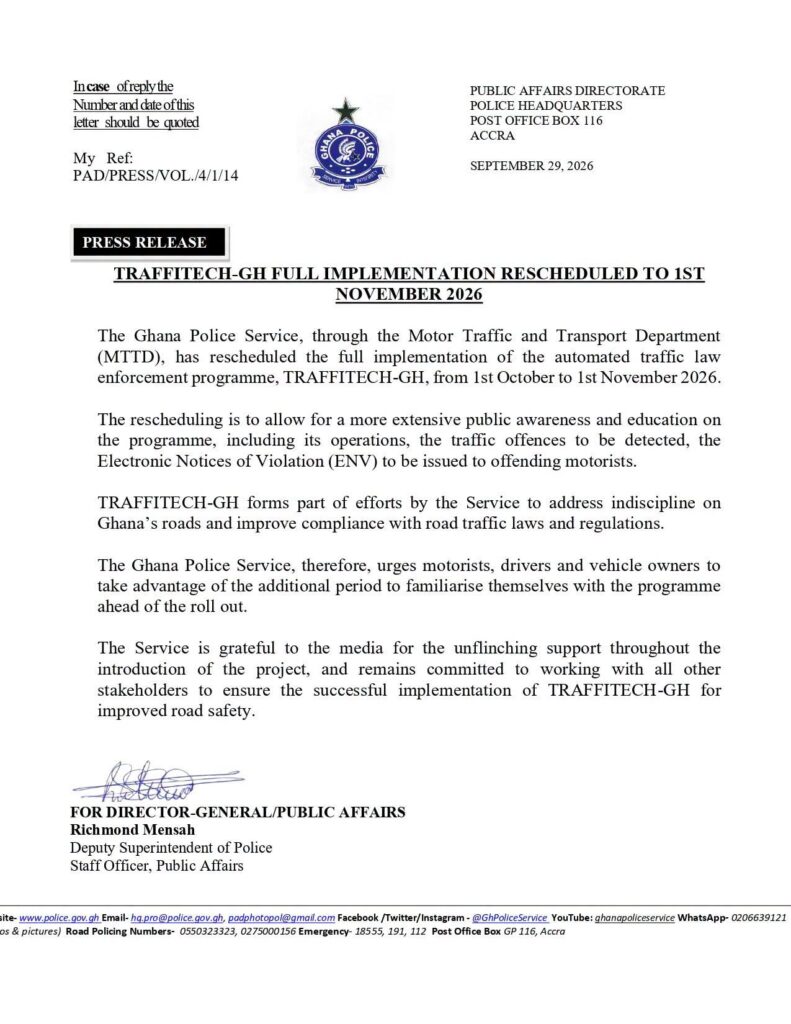
Ghanaian motorists face a new era of road traffic enforcement after the Ghana Police Service officially activated Traffitech-GH, an automated system that detects traffic offences and delivers digital penalty notices directly to vehicle owners. The system went live on 1 November 2026, marking a significant shift from traditional, officer-led enforcement to technology-driven road policing across the country.
How the Traffitech-GH System Works
The initiative is being managed by the Motor Traffic and Transport Department (MTTD), the specialised unit of the Ghana Police Service responsible for road traffic regulation. When a motorist commits a traffic offence that is captured by the system, they will receive an Electronic Notice of Violation (ENV) — a digital notification containing evidence of the breach.
According to a statement signed by Deputy Commissioner of Police Grace Ansah-Akrofi, Director-General of Public Affairs, motorists who receive such a notice should take the following steps to verify its authenticity:
- Confirm that the notification arrives from the official Sender ID: GPS-MTTD — genuine notices will never come from an ordinary mobile phone number.
- Open the ENV and check that it contains a photograph of the vehicle, the correct number plate, and accurate details of the location, date and time of the alleged offence.
- Where a video of the offence is available, review it carefully.
- Make any required payment exclusively through the NIB Payment Portal — never into a personal mobile money account or any unofficial channel.
The Police Service was emphatic in its warning: any request to pay a traffic fine into a personal mobile money number is a red flag and should be treated as attempted fraud.
Why This Matters for Ghana
Road traffic accidents remain one of Ghana's most serious public health and economic challenges. The National Road Safety Authority has consistently flagged speeding, illegal overtaking, and disregard for traffic signals as leading causes of crashes that claim hundreds of lives and injure thousands more each year. Manual enforcement, while important, has long been criticised for being inconsistent and, in some instances, susceptible to corruption — with on-the-spot settlements replacing formal prosecution.
Traffitech-GH is designed to address these weaknesses by creating an objective, evidence-based record of offences. Because the system captures photographic and video evidence at the point of violation, it removes the element of negotiation from enforcement and creates a transparent trail from offence to payment. This could meaningfully improve compliance with traffic laws, particularly among commercial drivers and repeat offenders who may previously have escaped formal sanction.
The move also reflects a broader continental trend of African countries investing in smart city and intelligent transport infrastructure. Ghana's adoption of automated enforcement aligns with efforts to modernise public services and reduce the human cost of road accidents.
Beware of Scammers Exploiting the New System
The launch of any new government digital initiative inevitably attracts fraudsters looking to exploit public unfamiliarity. The Police Service's specific warning against paying fines into personal mobile money accounts is well-founded: scammers may send convincing fake ENVs hoping to collect unofficial payments before motorists realise the system is in place.
Members of the public are strongly advised to bookmark the NIB Payment Portal as the sole legitimate payment channel and to report any suspicious messages purporting to be from the MTTD to the Ghana Police Service. If in doubt about the authenticity of a notice, motorists can visit the nearest MTTD office for verification before making any payment.
The Ghana Police Service thanked motorists, vehicle owners, and transport operators for their cooperation, expressing confidence that the system will contribute to safer roads for all Ghanaians.
Source: The Ghanaian Times


Comments (0)
Be the first to comment.