
US Puts $20m Bounty on Iran Nuclear Secrets Amid Ongoing Conflict and Oil Blockade
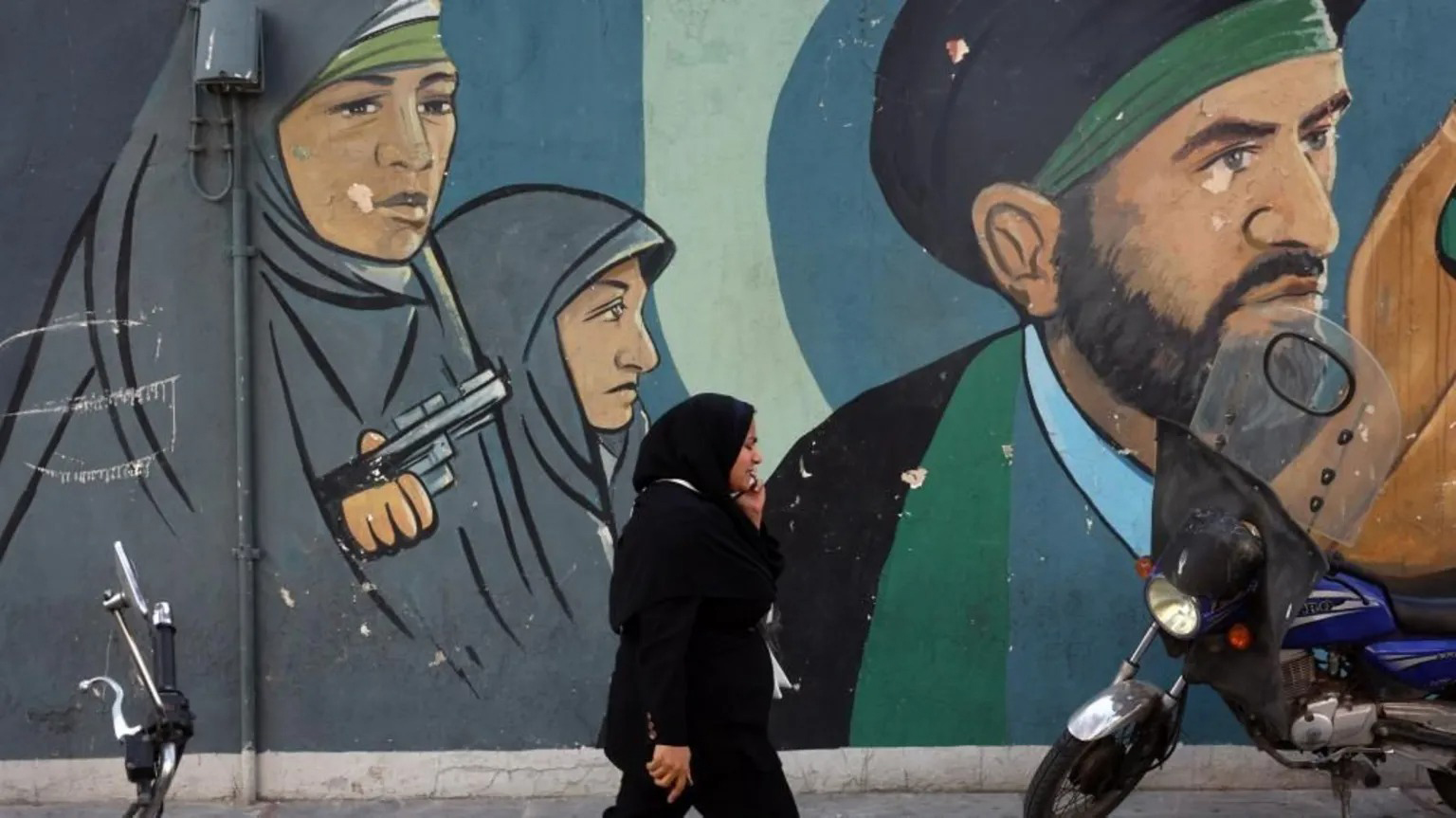

The United States government has announced a reward of up to $20 million for anyone who can provide credible information about Iran's nuclear programme, including details on facilities, equipment and key personnel involved. The offer, made through the State Department's Rewards for Justice programme, also includes the possibility of relocating informants to protect their safety — a sign of how seriously Washington is pursuing intelligence on Tehran's atomic ambitions.
What is happening between the US and Iran?
The announcement comes amid an active and deepening military and economic confrontation between the two countries. President Donald Trump has claimed that US and Israeli strikes have severely damaged Iran's nuclear infrastructure, describing the facilities as having been "completely and totally obliterated." Iran, however, maintains that its nuclear programme is entirely peaceful and that it has no ambitions to build a nuclear weapon.
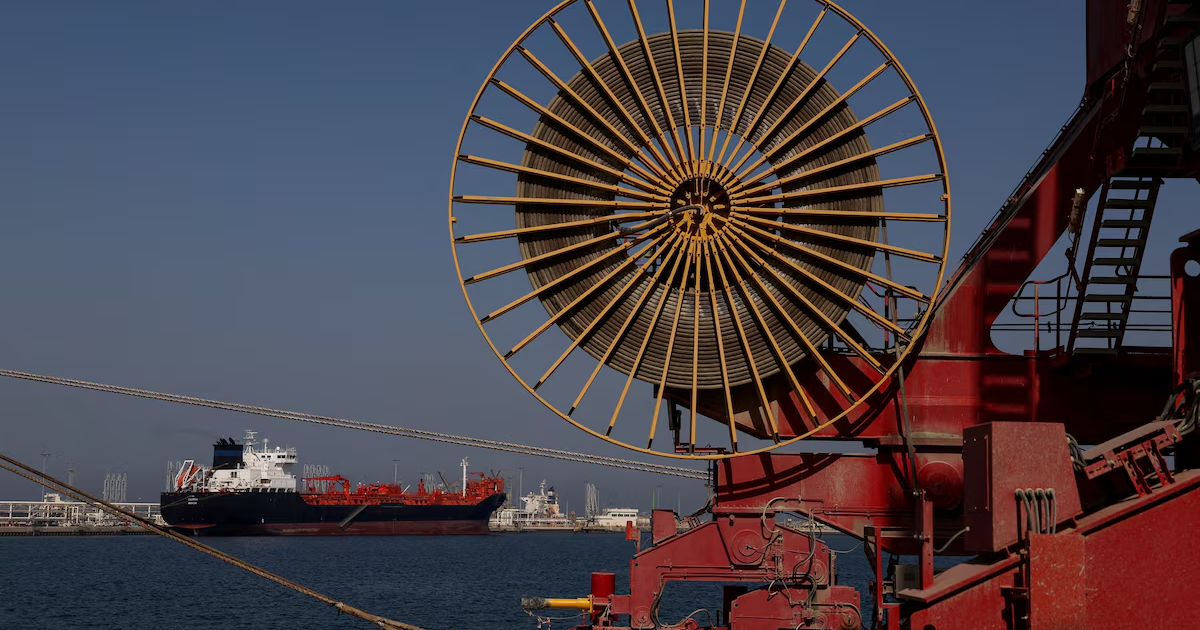
Beyond the intelligence reward, the US military's Central Command (Centcom) has announced the creation of a new task force called Task Force Iron Gate, which will be based in Tampa, Florida. The task force is designed to tighten the squeeze on Iran by monitoring and restricting the movement of weapons, sanctioned materials, and illegal revenue streams across Iranian borders. Centcom estimates that its naval blockade of Iranian ports has already stopped the country from exporting more than $25 billion worth of crude oil — a significant blow to Tehran's economy.
The State Department has raised particular concern about Iran's relationship with the International Atomic Energy Agency (IAEA), noting that Iran's failure to comply with its safeguards obligations has caused the agency to lose "continuity of knowledge" over key components such as nuclear centrifuges. These centrifuges are critical because they are used to enrich uranium — a process that, at very high levels of purity (around 90% or above), can produce material for a nuclear weapon rather than civilian reactor fuel.
Why it matters for Ghana and Africa
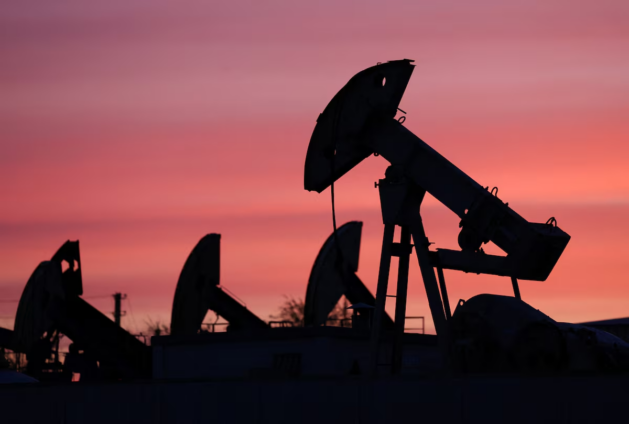
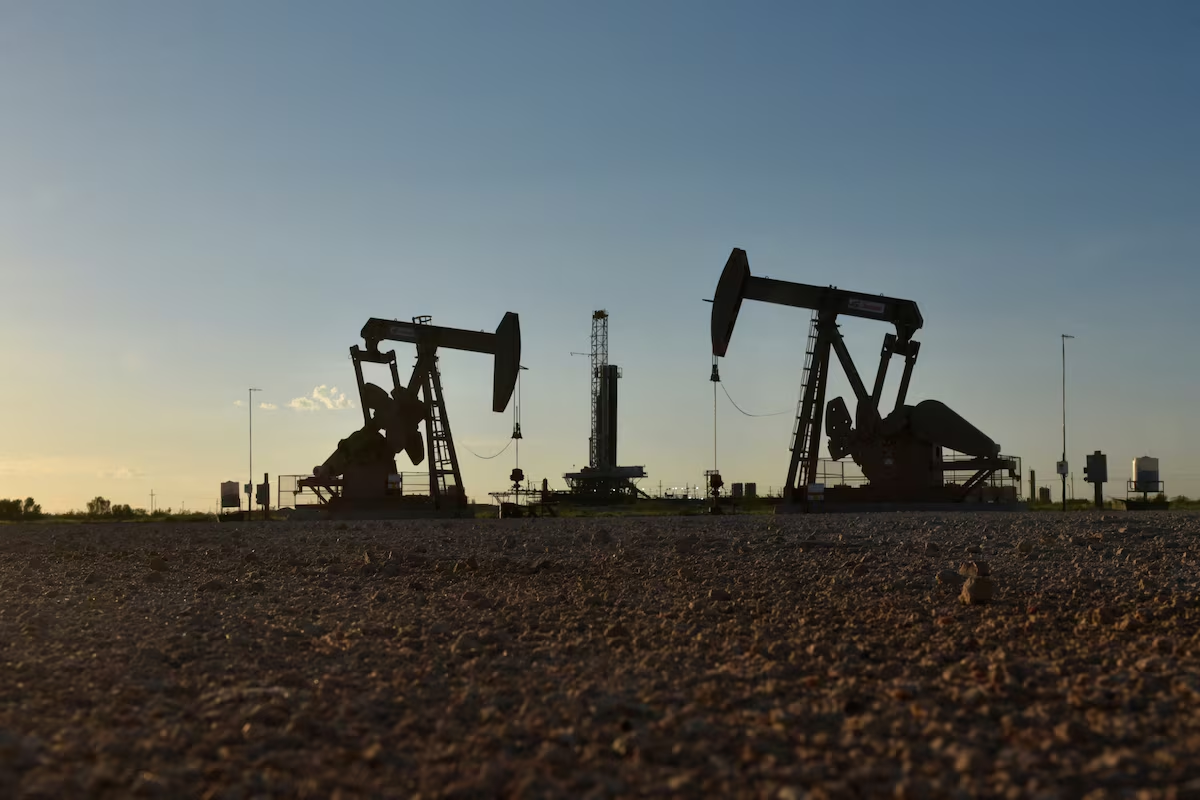
At first glance, a US-Iran standoff may seem distant from everyday Ghanaian concerns, but the economic ripple effects are very real. Iran is one of the world's major oil-producing nations, and the ongoing naval blockade — which has reportedly blocked tens of billions of dollars in Iranian crude oil exports — contributes to global supply tightening. For Ghana, which is itself an oil producer but also imports refined petroleum products, shifts in global crude prices directly affect fuel costs at the pump and the cost of goods transported across the country.
More broadly, the conflict has implications for African nations that depend heavily on stable global energy markets. Countries in the ECOWAS region, already navigating economic pressures including inflation and currency depreciation, are vulnerable to oil price shocks triggered by Middle Eastern instability. Ghana's cedi has historically weakened during periods of global commodity volatility, making this geopolitical standoff one that Accra's economic planners cannot afford to ignore.
There is also a diplomatic dimension. Ghana, like many African nations, has sought to maintain balanced international relationships and has generally advocated for peaceful resolution of conflicts through multilateral institutions. The escalating US-Iran confrontation puts pressure on African governments to navigate carefully between Western allies and other partners, including those with closer ties to Tehran.
Talks ongoing but fragile
Despite the military posturing, diplomatic back-channels remain open. Qatar's foreign ministry has confirmed that both sides are actively reviewing proposals aimed at ending the conflict. Iranian negotiators have reportedly discussed a plan to reopen the strategically vital Strait of Hormuz — a critical chokepoint for global oil shipments — within two days of the US meeting a set of Iranian conditions.
A preliminary agreement was reportedly reached in June but collapsed within weeks after Iranian attacks on shipping resumed and the US reinstated its blockade. Trump himself indicated on Friday that Iran was keen to reach a deal, saying: "They want to make a deal very badly." However, the collapse of the earlier agreement and continued military rhetoric from both sides suggest any resolution remains uncertain.
- The US is offering $20 million for intelligence on Iran's nuclear facilities and personnel.
- A US naval blockade has reportedly blocked over $25 billion in Iranian crude oil exports.
- Qatar is mediating talks, but a previous June agreement collapsed within weeks.
Source: The Ghana Report

Comments (0)
Be the first to comment.