
US Launches Strikes on Iranian Island as Middle East Conflict Escalates Ahead of Midterm Vote

The United States military has carried out strikes on Qeshm Island, a strategically located Iranian territory in the Strait of Hormuz, according to US officials who spoke to CBS News. Iranian state media agency IRNA confirmed that several explosions were heard on the island, marking a significant escalation in what has become an increasingly dangerous standoff between Washington and Tehran.
US officials described the strikes as limited in scope, saying they were a direct response to Iran's Islamic Revolutionary Guard Corps (IRGC) firing upon a US aircraft. The BBC has reached out to US Central Command, the branch of the American military overseeing Middle East operations, for an official statement.
A War That Began in February
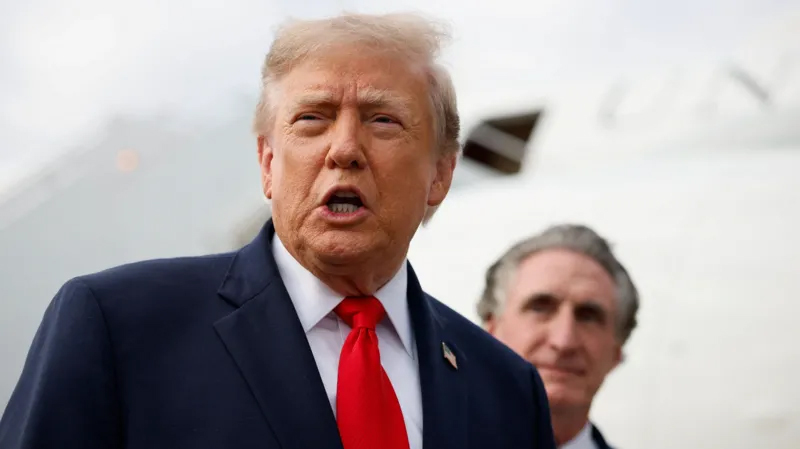
The current conflict traces its roots to a US and Israeli military offensive against Iran that began in February. Since then, the two sides have traded blows, with diplomatic back-channels running alongside open hostilities. President Donald Trump, speaking to reporters on Monday, said he was in "no rush" to intensify the campaign, telling news outlet Axios: "We crippled them financially. They have no money, no gasoline and their people are getting very tired of it."
Despite that measured tone, Trump separately hinted in a Fox News interview that the US "might need to go after Pickaxe Mountain" — an underground facility believed to be connected to Iran's nuclear programme. He downplayed the complexity of such a strike, suggesting it could be completed in "one hour" and was "not a big deal."
The strikes come just as the United States heads into its midterm elections, which will decide whether Republicans or Democrats control Congress. Trump has faced declining poll numbers and growing pressure from within his own party to bring the conflict to a close. Asked directly whether major strikes would resume after the midterms, Trump said simply: "No."
Iran's Foreign Minister, Abbas Araghchi, told IRNA that "very intensive" diplomatic negotiations aimed at ending the war were ongoing through intermediaries. He added that Tehran was prepared for both diplomatic and military outcomes "more than ever before", and said the choice between a "wise path" of negotiation and the "mistake of military aggression" rested with Washington.
Why It Matters for Ghana
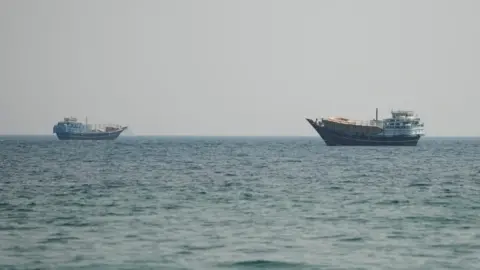
The Strait of Hormuz is one of the world's most critical chokepoints for oil and gas shipments, with roughly a fifth of global petroleum passing through its waters. Any sustained military activity in the area has the potential to disrupt supply chains and push up global crude oil prices — a development that would have direct consequences for Ghana.
Ghana, which imports a significant portion of its petroleum products, is particularly vulnerable to oil price shocks. Fuel prices in the country have already been a source of persistent economic strain for households and businesses alike. A wider conflict involving Iran could trigger price surges at the pump and increase the cost of goods transported across the country.
Beyond fuel, the broader uncertainty in global markets that typically accompanies Middle East conflict can affect Ghana's currency, investor confidence and the cost of servicing its external debt — all factors the government has been working to stabilise following recent economic difficulties.
Diplomatic Channels Still Open
Despite the military action, the fact that both sides are reportedly engaged in talks through mediators offers a degree of cautious optimism. Iran has signalled it remains open to a negotiated settlement, and Trump's own statements suggest he is not seeking immediate, large-scale escalation. How the situation develops after the US midterm elections, however, remains deeply uncertain — and the rest of the world, including Ghana, will be watching closely.
Source: The Ghana Report

Comments (0)
Be the first to comment.