Oil prices drop on Middle East diplomacy hopes—what it means for Ghana's energy costs

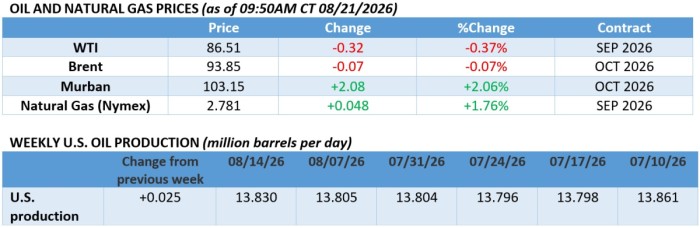
Global crude oil prices slid to their lowest point in a week as market traders wagered on a diplomatic breakthrough between the United States and Iran, even as military tensions remain high across the Middle East. Brent crude fell to $102.05 per barrel, whilst West Texas Intermediate dropped to $98.50, signalling a shift in trader sentiment ahead of United Nations meetings scheduled for this week.
The price decline comes despite continued threats between Washington and Tehran over the weekend. The U.S. president threatened Iran with economic collapse and regime change unless it entered negotiations, prompting Iran to warn it would retaliate harshly against any American military action. Yet market sentiment has prioritised diplomatic hopes over these bellicose exchanges, removing what analysts call the "risk premium" that typically inflates oil prices during geopolitical crises.
Rising tensions in Yemen and Saudi Arabia complicate the outlook
Paradoxically, military escalation in another key oil-producing region is failing to push prices higher. Yemeni Houthi forces intensified attacks on Saudi Arabia over the weekend, striking multiple targets including the capital Riyadh. Normally, such strikes in critical global oil chokepoints would drive prices upward due to supply concerns. However, Saudi Arabia has managed to maintain oil exports by rerouting shipments, achieving a daily export rate of 2.9 million barrels through the Strait of Hormuz in recent days—a dramatic recovery from just 700,000 barrels daily in August, according to data from JP Morgan.
This improved supply position has reassured markets that disruptions, whilst serious, remain manageable. "It seems that a degree of risk premium is being removed from oil prices on hopes that a diplomatic path to de-escalate the US-Iran war may arrive this week," said Tim Waterer, chief market analyst at KCM Trade. "Whether that hope proves to be warranted or not is another question. Time will tell."
Why it matters for Ghana
Ghana, as a significant oil producer and an import-dependent economy, faces dual pressures from global crude markets. Lower oil prices reduce export revenues for Ghana's petroleum sector, constraining government budgets and foreign exchange earnings. Conversely, cheaper crude theoretically reduces fuel costs for consumers and businesses, potentially easing inflation that has plagued Ghanaian households.
The current price movement reflects trader optimism rather than concrete progress. Should diplomacy fail and tensions escalate further, prices could spike rapidly, harming Ghana's import bill for refined petroleum products and straining an already stretched fiscal position. Ghana's dependence on fuel imports for electricity generation, transportation and manufacturing means volatile global oil markets directly impact everyday living costs, power tariffs and industrial competitiveness.
Energy analysts caution that current optimism may be premature. The absence of genuine negotiation signals from either the U.S. or Iran, combined with ongoing regional conflicts, suggests oil markets remain vulnerable to sudden price shocks. Ghanaian policymakers and consumers should monitor this week's UN discussions closely, as any breakdown in diplomatic efforts could quickly reverse current price declines and reignite the energy cost pressures that have dogged the economy.
Source: The Ghana Report
Comments (0)
Be the first to comment.