
Ghanaian Cedi Weakens to 11.24 Against US Dollar as BoG Posts Latest Rates

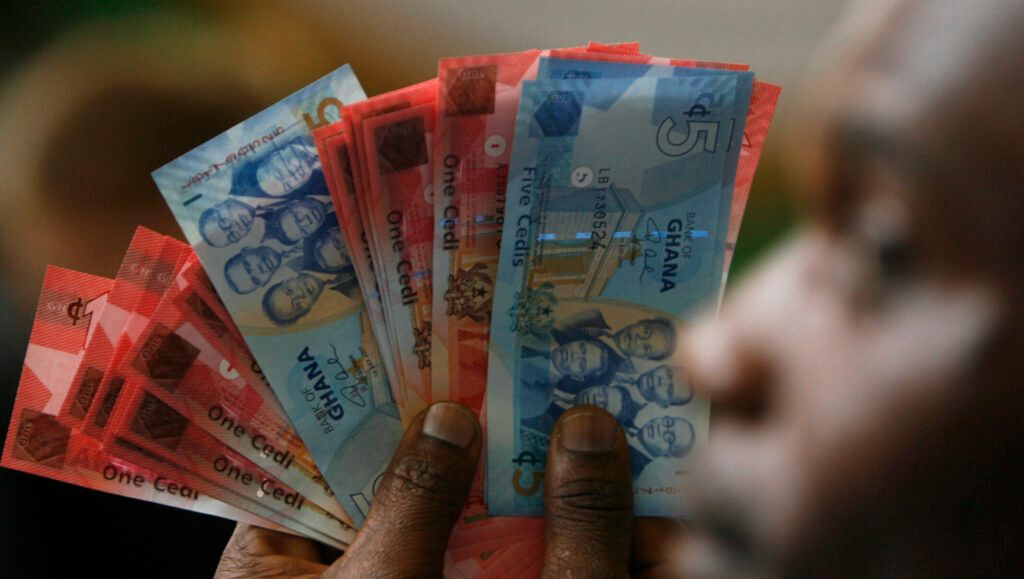
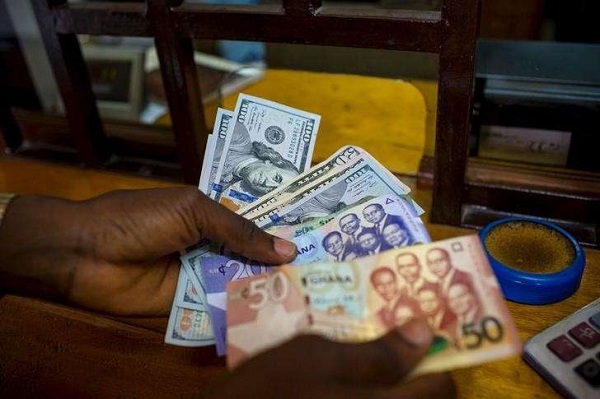
Ghana's cedi continued its downward trajectory on Tuesday, with the Bank of Ghana's official exchange rate placing the currency at 11.24 to the United States dollar. The depreciation underscores persistent challenges facing the local currency amid broader economic headwinds affecting the nation's foreign exchange market.
According to the central bank's published rates for the trading day, the British pound maintained relatively stable positioning, buying at 15.2350 and selling at 15.2514 against the cedi. These figures reflect the comparative strength of major global currencies against Ghana's local tender.
Understanding the Exchange Rate Movement
The cedi's position at 11.24 per dollar represents the market's ongoing adjustment to supply and demand dynamics in Ghana's foreign exchange sector. The central bank's daily published rates serve as a benchmark for commercial banks and financial institutions across the country when conducting transactions with customers and businesses.
Exchange rate movements of this magnitude directly affect several critical areas of the Ghanaian economy. Import costs for essential goods, raw materials and services become more expensive when the cedi weakens, potentially contributing to inflationary pressures on consumer prices. Conversely, Ghanaian exports become relatively more competitive internationally, though this benefit depends heavily on the volume and nature of goods being traded.
Why It Matters for Ghana
Currency depreciation carries significant implications for ordinary Ghanaians and the broader economy. Citizens who rely on remittances from family members abroad receive fewer cedis per dollar sent home. Students studying overseas face higher education costs, whilst businesses importing goods experience compressed profit margins as the cost of foreign currency rises.
For the government, a weaker cedi complicates debt servicing on external loans denominated in foreign currency. Ghana's substantial external debt burden means that depreciation increases the cedi-equivalent costs of repayment obligations, straining the fiscal position and potentially limiting resources available for public services and development projects.
The Bank of Ghana's role in publishing daily exchange rates provides transparency to the market and helps standardise pricing across the financial system. These official rates influence decision-making across sectors including banking, import-export businesses, tourism and remittance services.
Market Context and Forward Outlook
The cedi's performance reflects broader patterns in emerging market currencies, particularly those in sub-Saharan Africa. External factors including global interest rate movements, commodity price fluctuations and investor sentiment towards developing economies influence currency valuations.
For Ghanaians, monitoring exchange rate trends remains important for financial planning. Those with savings, investments or international payment obligations should pay attention to these daily published rates. Businesses engaged in cross-border trade use the Bank of Ghana's official rates for compliance and accounting purposes, making these figures essential reference points in the commercial calendar.
Source: 3News

Comments (0)
Be the first to comment.