Cedi weakens to 11.68 against dollar as forex pressures persist
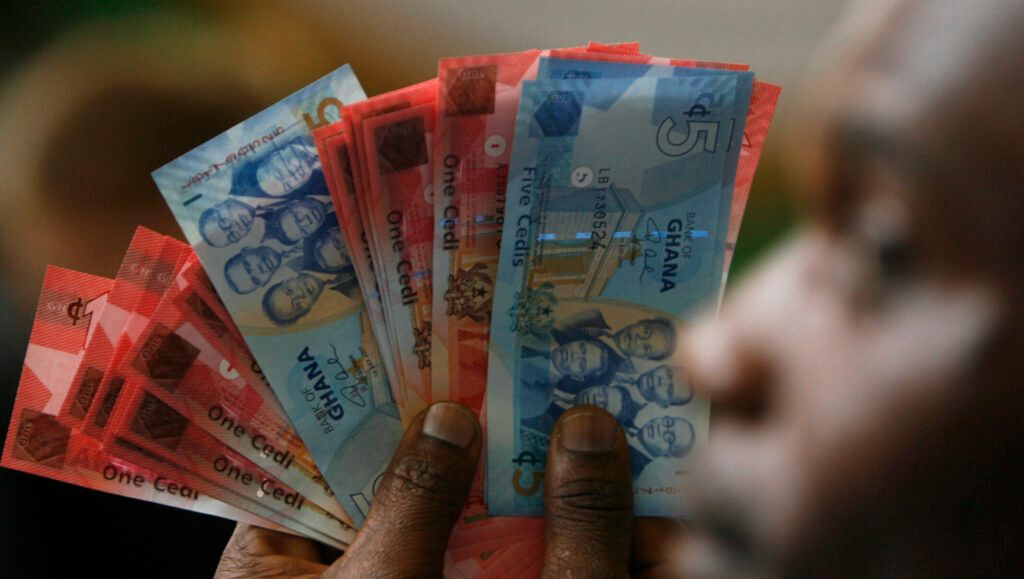
The Ghanaian cedi continued its recent depreciation trend on Monday, exchanging at 11.68 against the United States dollar, according to Bank of Ghana (BoG) official rates. The movement underscores persistent pressure on Ghana's currency amid broader economic challenges affecting the local forex market.
Current Exchange Rates and Market Movement
Monday's cedi performance reflects the currency's ongoing struggle against major foreign denominations. The British pound, meanwhile, was buying at 15.7327 and selling at 15.7496 against the cedi. These rates highlight the comparative weakness of Ghana's currency in international markets, a concern for importers, businesses and ordinary Ghanaians who depend on foreign exchange for essential goods and services.
Daily forex fluctuations like these are tracked closely by the central bank and monitored by traders, importers and ordinary citizens planning international transactions or monitoring the health of the local economy.
Why This Matters for Ghana
Currency depreciation has real consequences for everyday Ghanaians. A weaker cedi makes imports more expensive—from fuel and spare parts to medicines and raw materials—potentially driving up inflation and consumer prices. For businesses that rely on imported inputs, higher exchange rates reduce profit margins unless costs can be passed to customers. Students and professionals sending money home from abroad also receive less in cedis, whilst Ghanaians planning overseas travel face higher costs.
The cedi's performance is tied to Ghana's broader economic fundamentals, including foreign exchange reserves, government spending, inflation levels and international investor confidence. The central bank uses official daily rates like these to guide monetary policy decisions and help stabilise the currency through various interventions in the forex market.
For policymakers, sustained weakness signals the need for structural measures—improving export competitiveness, attracting foreign investment, and managing public finances responsibly. For ordinary Ghanaians, these daily rate movements are a concrete indicator of economic stability and purchasing power over time.
Source: 3News

Comments (0)
Be the first to comment.