Cedi slides again as Christmas imports trigger fresh dollar demand spike
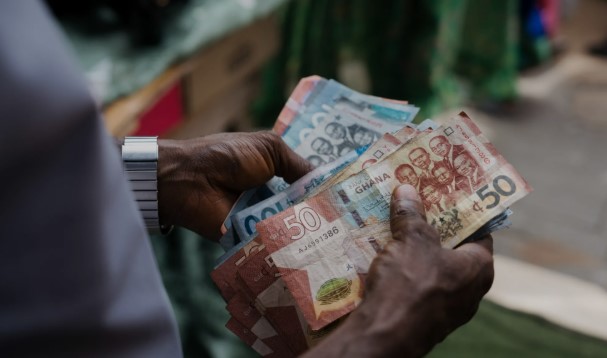
Ghana's currency is under fresh strain as the cedi weakens against the US dollar for the second time since May, with businesses ramping up dollar purchases to finance Christmas season imports. Market data from commercial banks reveal the cedi lost 1.86% of its value in July alone, reversing the previous month's 3.30% gain. Year-to-date depreciation now stands at 8.06%, signalling persistent headwinds for the local currency.
Why the pressure has returned
Although the Bank of Ghana's injection of $2.01 billion in June temporarily stabilised the currency, July brought renewed demand for foreign exchange. The primary drivers are twofold: businesses importing goods to capitalise on December's peak shopping season, and the rising cost of energy imports tied to volatile crude oil prices. August data already shows the slide continuing, with the cedi depreciating 0.52% week-on-week and 1.66% month-to-date.
Market analysts expect this seasonal import cycle to maintain upward pressure on dollar demand through the remainder of the year. Importers typically front-load purchases ahead of the festive period, creating a predictable but significant surge in foreign exchange requirements.
What this means for Ghana's economy
Currency depreciation has immediate consequences for Ghanaians. Imported goods become more expensive in cedis, likely translating to higher consumer prices heading into the Christmas period—precisely when households are preparing for increased spending. Businesses reliant on imports face margin pressure, whilst those with dollar-denominated debt see their obligations rise.
However, the central bank is not sitting idle. The Bank of Ghana has pledged to supply approximately $500 million to the market in September through its foreign exchange intermediation programme, whilst the Ghana Gold Board targets $1.4 billion in foreign exchange receipts during the same month. Of the latter figure, $700 million will flow to commercial banks via spot sales and forward arrangements, with the remaining $700 million supporting reserve accumulation under the Ghana Accelerated National Reserve Accumulation Policy (GANRAP).
Central bank confidence amid uncertainty
In its July Monetary Policy Report, the Bank of Ghana characterised recent currency movements as normal market dynamics rather than structural crisis, maintaining that the cedi should remain relatively stable over the medium term. The central bank expressed confidence that foreign exchange interventions, combined with remittance inflows from Ghanaians abroad, would help absorb seasonal pressures.
The bank has also signalled its readiness to intervene when necessary to prevent disorderly market conditions, whilst allowing the exchange rate to move flexibly rather than attempting to enforce artificial stability. This approach balances market discipline with prudent central bank management.
Whether these measures prove sufficient to prevent further significant depreciation before year-end remains to be seen. The interplay between seasonal import demand, gold export proceeds, diaspora remittances, and crude oil price movements will ultimately determine the cedi's trajectory through the critical months ahead.
Source: MyJoyOnline


Comments (0)
Be the first to comment.