
Bank of Ghana flags transport costs as inflation risk as MPC meets to review policy
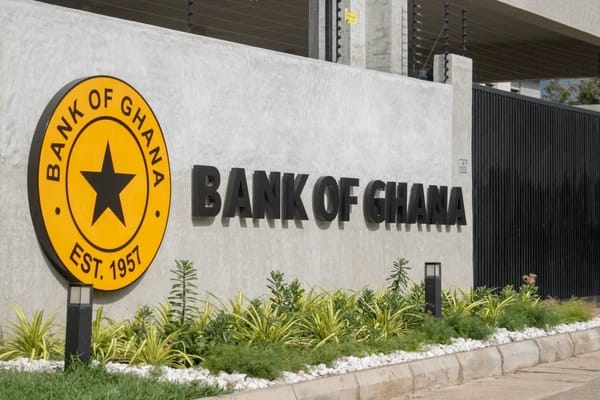

The Bank of Ghana has sounded an alarm over mounting transport and haulage costs, which it says could intensify inflationary pressures across the economy as the central bank prepares to reassess its monetary policy stance. Governor Dr. Johnson Asiama raised the concern during the opening of the 131st Monetary Policy Committee meeting in Accra, highlighting how transport-related expenses have become a significant driver of price growth in recent months.
The inflation trajectory and transport's role
Ghana's headline inflation has climbed steadily over the past quarter, rising from 3.2% in March to 5.3% in June 2026, with transport and haulage costs accounting for a substantial portion of that increase. This upward trajectory is particularly concerning because it reverses earlier disinflation trends and signals that price pressures are broadening beyond isolated sectors. The persistence of these inflationary movements over three consecutive months suggests the problem is not fleeting but warrants serious policy attention.
Dr. Asiama emphasised that the central bank must determine whether this inflation spike represents a temporary reaction to external shocks—such as global fuel price movements—or signals a deeper, more persistent shift in price behaviour that requires immediate monetary policy intervention. This distinction matters enormously for Ghana's economic trajectory and household purchasing power.
The domestic impulse: fare hikes and utility tariffs
What makes the current situation particularly delicate is the potential interaction between external price pressures and domestic policy adjustments. The Governor flagged the risk that transport fare increases and utility tariff adjustments could compound the inflationary effects of rising global commodity prices. When external shocks combine with domestic price adjustments, they can create a multiplicative effect on inflation that is harder to control.
This risk is especially acute in Ghana, where transport costs ripple through the entire economy—affecting food prices, manufacturing, retail, and service delivery. When commuters pay more for transport, businesses face higher delivery costs, which they typically pass on to consumers, driving broader inflation.
Why it matters for Ghana
For ordinary Ghanaians, inflation directly erodes purchasing power and makes essential goods less affordable. Workers' wages often lag price increases, squeezing household budgets particularly hard for lower-income families. Businesses also suffer uncertainty, as rising input costs make financial planning difficult and can dampen investment and job creation.
The Bank of Ghana's focus on whether inflation is influencing broader price-setting behaviour is crucial. If traders, retailers and service providers begin to expect persistent inflation, they may raise prices preemptively, creating a self-fulfilling prophecy where inflation expectations drive actual inflation. Breaking this cycle typically requires stronger monetary policy action, which can slow economic growth.
The Monetary Policy Committee's decision, expected later this week, will signal whether the central bank believes current inflationary pressures justify raising interest rates. Higher rates would increase borrowing costs for businesses and households, potentially cooling demand and inflation but also slowing economic activity. This balancing act is never straightforward, especially when inflation stems partly from external factors beyond the central bank's direct control.
Stakeholders—from government to transport operators to ordinary commuters—should watch the MPC's announcement closely, as it will shape credit costs, savings returns, and economic growth prospects for months ahead.
Source: The Ghana Report




Comments (0)
Be the first to comment.