
Transport costs driving inflation surge; BoG signals tough choices ahead on interest rates

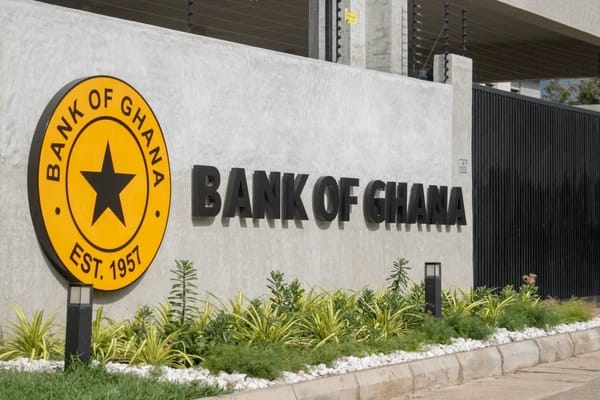
Ghana's inflation challenge is intensifying, with transport and haulage costs emerging as a significant culprit, the Bank of Ghana Governor warned this week. Dr. Johnson Asiama told the Monetary Policy Committee that headline inflation has climbed sharply—from 3.2% in March to 5.3% in June 2026—with transport prices playing an outsized role in the acceleration. The central bank now faces a critical decision on whether to raise interest rates to combat the surge.
The warning comes as Ghanaians already grapple with higher fuel prices at the pump and increased transport fares on daily commutes. If utility companies and transport operators proceed with expected tariff increases, Dr. Asiama cautioned, inflation could accelerate further, creating what he termed a "domestic impulse" layered on top of external price pressures. This scenario poses a genuine threat to household purchasing power and could erode savings.
Why this matters for Ghana
For ordinary Ghanaians, rising inflation translates directly into reduced value for the cedi in their pockets. If transport fares jump—a real possibility the BoG is monitoring—commuting costs will spike, pushing up prices across the economy as businesses pass on higher logistics expenses to consumers. Food, goods and services could all become more expensive. The risk is a vicious cycle: higher fares → higher prices → workers demand higher wages → businesses raise prices again.
The central bank's next move will significantly impact you. If the MPC raises the policy rate to fight inflation, borrowing becomes more expensive, making car loans, mortgages and business credit harder to afford. Conversely, if rates stay low and inflation runs hot, savings lose value. The committee must weigh these trade-offs carefully, and Dr. Asiama's comments suggest the decision will not be straightforward.
For Ghana's economy more broadly, persistent inflation undermines competitiveness, makes planning difficult for businesses, and erodes confidence in the cedi. It also complicates the government's fiscal position, as higher interest rates increase borrowing costs for the state.
The external and domestic squeeze
Dr. Asiama's language reveals the BoG's real concern: inflation is no longer purely an external problem. Whereas global commodity price shocks are beyond Ghana's control, domestic tariff adjustments are policy decisions made locally. The bank must evaluate whether current price rises are temporary—a response to temporary supply disruptions—or the start of a sustained upward trend.
Critically, the Governor highlighted that the central bank is watching whether inflation has begun to shift people's behaviour. Once workers and businesses expect prices to keep rising, they adjust wage demands and pricing strategies accordingly, embedding inflation into the economy. Breaking that expectation then requires painful, rate-hiking measures that slow growth and cost jobs.
What happens next
The Monetary Policy Committee was expected to announce its decision later in the week. The options facing the committee are constrained: Do nothing and risk inflation spiralling; or raise rates and risk cooling an economy that Ghanaians rely on for jobs and growth. Dr. Asiama's warnings suggest the committee views the inflation trend as serious enough to warrant close scrutiny of policy levers. Watch this space for the MPC's decision and any signals about interest rate direction.
Source: MyJoyOnline



Comments (0)
Be the first to comment.