Ghana's cocoa farmers demand stronger protection as farm destruction threatens sector
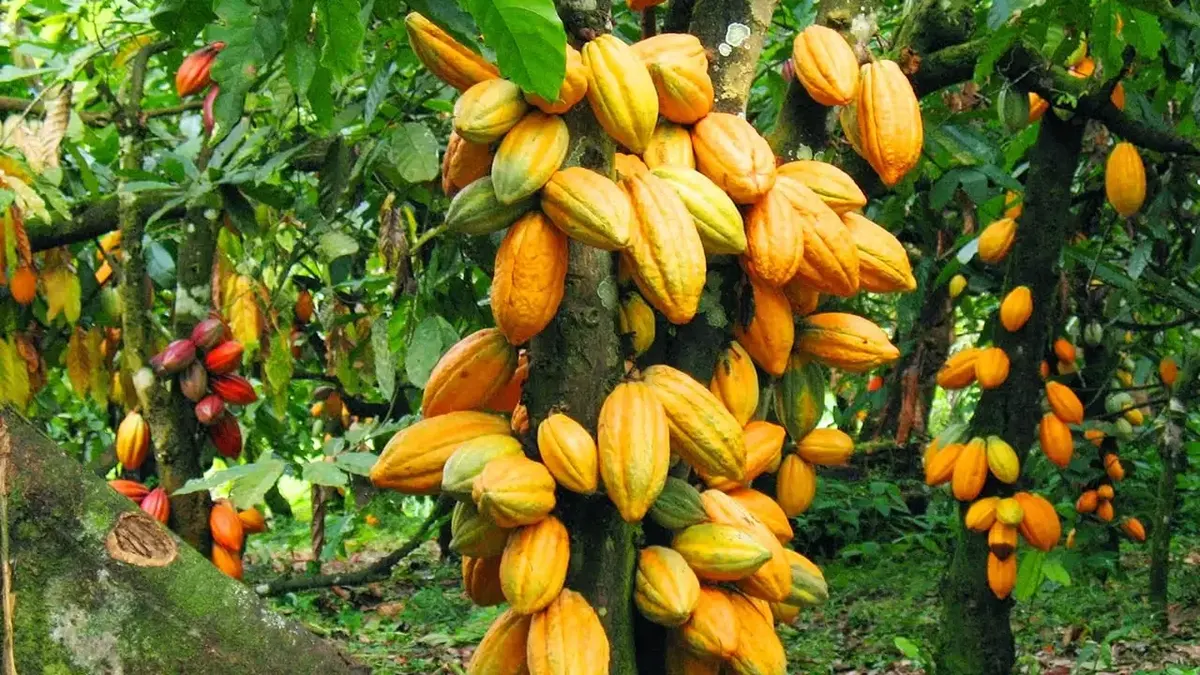
Ghana's cocoa farming communities have issued a urgent plea for protective measures against the ongoing destruction of their farms, citing severe threats to individual livelihoods and the nation's economic interests. The calls highlight growing concerns within the sector about the vulnerability of cocoa operations and the lack of adequate safeguards.
Cocoa remains one of Ghana's most valuable exports and a critical source of foreign exchange, with hundreds of thousands of farmers dependent on the sector for their survival. The destruction of farms—whether through illegal mining, land encroachment, disease, or environmental degradation—undermines this foundation and risks destabilising rural communities that have few alternative income sources.
The scale of the crisis
Cocoa farming communities report that farm destruction occurs through multiple channels. Illegal small-scale mining operations, locally known as galamsey, have particularly devastated agricultural lands in major cocoa-producing regions. Land disputes and encroachment by developers also contribute to the loss of productive farmland. Additionally, crop diseases and climate-related challenges compound the pressure farmers face.
The cumulative effect is a sector under stress, with farmers struggling to maintain productivity whilst facing the constant threat of losing their assets entirely. Many smallholder farmers, who constitute the backbone of Ghana's cocoa industry, lack formal land titles or insurance mechanisms to protect their investments.
Why it matters for Ghana
Cocoa production is fundamental to Ghana's economy. The sector generates significant foreign exchange revenue, employs millions directly and indirectly, and supports entire regional economies. When farms are destroyed, the immediate impact falls on individual farmers and their families, but the consequences ripple through the broader economy.
Reduced cocoa output threatens Ghana's global market share at a time when international cocoa prices are subject to volatility. The country competes with Côte d'Ivoire and other producers, and any loss of productive capacity weakens Ghana's position. Furthermore, rural communities increasingly face economic desperation when farming becomes unviable, driving migration to urban centres and contributing to social pressures.
Government protection of cocoa farms is therefore not merely an agricultural issue—it is a national security and development priority. Robust enforcement against illegal mining in cocoa zones, land title registration programmes, and investment in farm-level resilience are essential interventions.
What farmers are demanding
The farming communities are calling for tangible government action, including stricter enforcement against illegal mining operations in agricultural areas, clearer legal frameworks protecting farmland from encroachment, support for farm modernisation and disease management, and compensation mechanisms for farmers who have already suffered losses.
These demands reflect frustration with the gap between policy statements and on-the-ground implementation. Many farmers report that whilst governments acknowledge the importance of cocoa, the practical support and protection needed to safeguard their livelihoods remains insufficient.
The cocoa sector's future depends on whether Ghana can effectively address these concerns and create an environment where farming is both economically viable and secure.
Source: 3News



Comments (0)
Be the first to comment.