
Ghana's Inflation Remains Manageable at 5.2%, Central Bank Reassures Public


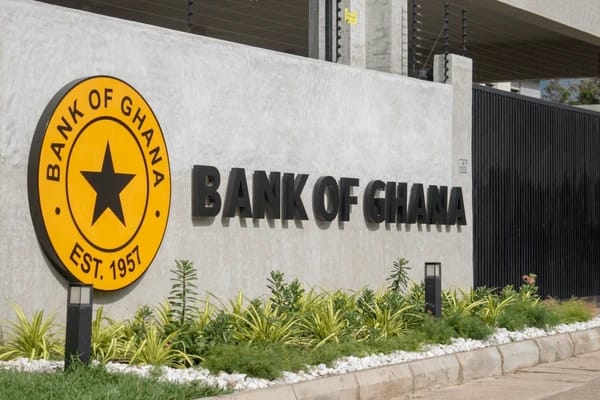
The Bank of Ghana has moved to reassure citizens that the country's inflation rate of 5.2% recorded in September remains within a healthy and manageable range, despite ongoing economic pressures facing households and businesses across the nation.
Dr. Philip Abradu-Otoo, the Director of Research at the Bank of Ghana, made the defence of the inflation figure whilst discussing the central bank's monetary policy stance and economic outlook. His comments suggest the BoG is confident that current price pressures are not spiralling out of control, even as many Ghanaians continue to grapple with rising costs of living.
Understanding Ghana's Inflation Target
Ghana operates an inflation-targeting framework that establishes an acceptable range for price increases. Within this system, the central bank uses various tools—primarily interest rates—to steer inflation towards its midpoint target whilst allowing for some flexibility around that goal. The 5.2% figure sits comfortably within this framework, according to the BoG's assessment.
The inflation-targeting approach has been adopted by many central banks globally as a means of providing transparency and anchoring public expectations. By communicating a clear target range, the BoG aims to prevent both runaway inflation and deflationary spirals that could harm economic growth and employment.
Regional Context and Currency Considerations
Dr. Abradu-Otoo's defence also referenced regional currency dynamics, suggesting that Ghana's inflation performance must be understood within the context of broader West African economic conditions. The cedi's stability relative to other regional currencies and the comparative inflation rates of neighbouring economies play a role in assessing Ghana's economic health.
This regional perspective is important because it recognises that inflation does not occur in isolation. Exchange rate movements, regional trade patterns, and the monetary policies of neighbouring central banks all influence domestic price levels. A rate that might appear concerning in one context could be entirely reasonable in another.
Why This Matters for Ghana
For ordinary Ghanaians, the significance of this inflation rate lies in understanding what it means for household purchasing power and long-term economic stability. At 5.2%, prices are rising, but at a pace that the central bank believes is sustainable and aligned with the country's economic fundamentals.
However, it is crucial to note that official inflation statistics can sometimes mask the real experience of citizens. Whilst headline inflation may be 5.2%, certain essential goods—particularly food and fuel—may experience sharper price increases. This distinction between headline and core inflation, and the items that weigh most heavily in the budgets of ordinary Ghanaians, remains important for policy makers and the public to monitor.
The Bank of Ghana's confidence in current inflation levels also has implications for interest rates and borrowing costs. If the central bank believes inflation is under control, it may be more inclined to maintain or even reduce lending rates, which could ease pressure on businesses and individuals seeking credit.
Looking ahead, continued monitoring of inflation trends will be essential. Economic shocks—whether from global commodity prices, exchange rate movements, or domestic supply disruptions—could test the resilience of Ghana's current inflation performance. The central bank's communication of its inflation outlook and policy intentions remains a key tool for managing public expectations and supporting economic stability.
Source: 3News



Comments (0)
Be the first to comment.