
From idle machines to 24-hour production: How Ekumfi Fruits could transform Ghana's agro-industrial future
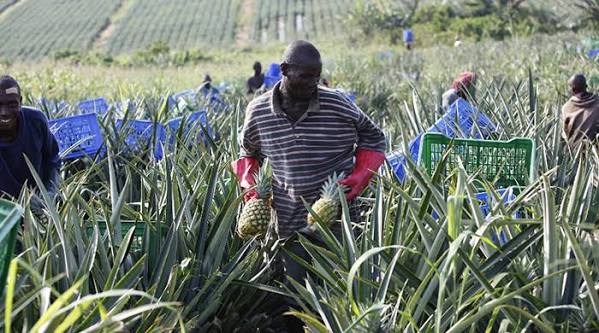

Ghana's industrial renaissance may depend on solving a paradox that has long plagued the nation's manufacturing sector: factories with capacity sitting idle whilst farmers lack stable markets. Ekumfi Fruits & Juices Limited, a company that has built a US$53 million industrial asset with support from Ghana EXIM Bank, now stands at a critical inflection point. The government's decision to abolish the 20% excise duty on locally made fruit juices, effective October 2026, combined with the Feed the Industries Programme, has opened the door to a transformation that could reshape both rural livelihoods and industrial output across Ghana.
The company's journey reveals how development finance alone cannot solve structural economic bottlenecks. Ekumfi received approximately US$6 million in EXIM Bank participation to establish a modern fruit-processing facility and build Ghanaian juice brands with export potential. Yet despite possessing one of the nation's largest dedicated juice-processing plants, the company has operated at a fraction of capacity—often running just two days per week—because of two crippling constraints: inadequate supplies of raw fruit and the punitive 20% excise tax imposed on domestically manufactured juices in 2023. The human cost of this underutilisation has been significant. Farmers lost a reliable industrial buyer, young people missed employment opportunities, and Ghana forfeited manufacturing output and valuable export earnings.
Why this matters for Ghana
The significance of Ekumfi's potential turnaround extends far beyond a single company. Ghana has long struggled to create stable linkages between its agricultural sector and its industrial base. Farmers grow produce without guaranteed buyers; factories sit underutilised for lack of feedstock. This structural disconnect has perpetuated rural poverty, wastage, and lost industrial competitiveness. Ekumfi represents a test case for whether government policy can finally bridge this gap.
The removal of the excise duty signals a crucial policy shift—recognition that taxing local manufacturing can undermine industrial development. For Ekumfi, this eases price pressures, improves operating margins, and creates room to invest in agricultural linkages. But the real catalyst is the Feed the Industries Programme, which is designed to coordinate farm-to-factory supply chains. Management estimates that sustained 24-hour operations would require more than 9,000 acres of pineapple and other fruits. Remarkably, Ekumfi has already secured 9,500 acres for juice, tea and tepache cultivation, meaning the land requirement is within reach. The missing element is the financing, inputs, and farmer mobilisation to bring these acres into production within the next 36 months.
Building an agro-industrial ecosystem
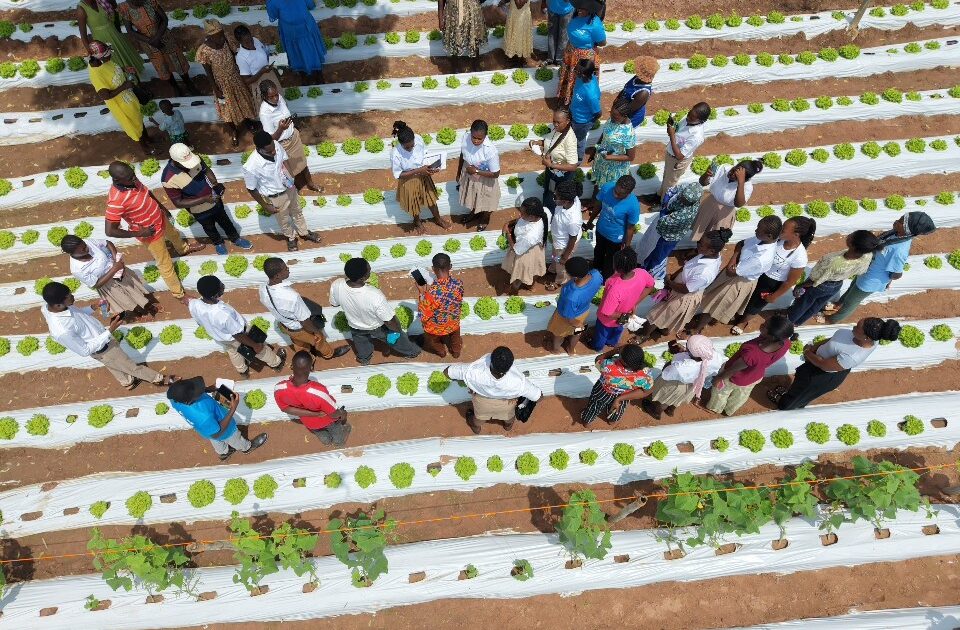
What makes this opportunity distinctive is the model it proposes for rural wealth creation. Rather than relying solely on company-owned plantations, Ekumfi is positioned to establish structured partnerships with smallholder farmers, youth agricultural enterprises, outgrower cooperatives, and agricultural service providers. Each farmer would grow fruit under agreed quality, delivery and pricing terms—creating security for both grower and factory.
The financial incentives are compelling. Current projections suggest that one acre of pineapple could generate approximately GH₵52,000 in gross revenue per harvest cycle. For young entrepreneurs and smallholder farmers, this creates a tangible pathway into commercial agriculture. A youth farmer managing five acres could potentially gross GH₵260,000 per cycle; at ten acres, GH₵520,000. For landowners willing to lease or partner land, the returns could scale dramatically. The model is not merely agricultural; it is a potential blueprint for youth employment in rural areas, a persistent challenge for Ghana's development agenda.
The path forward and remaining risks
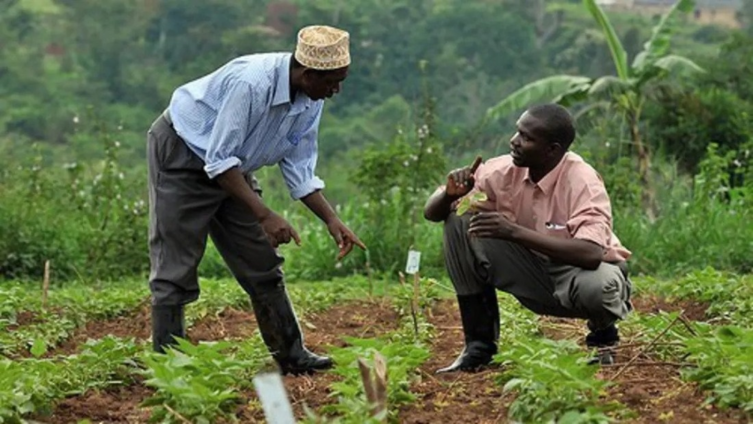
Success will depend on several factors beyond policy reform. Farmers will need access to improved planting materials, agronomic training, and input finance—fertilisers, pesticides, and tools. Extension services must be mobilised to support new entrants and smallholders. Ekumfi itself will need to implement reliable buying mechanisms and transparent pricing to maintain farmer trust and participation. The 36-month timeline to full capacity is ambitious given Ghana's track record with large agricultural transformation programmes.
Yet the foundation is stronger than in most comparable initiatives. The factory exists and is modern. The land is identified. Government policy has shifted in the company's favour. And the market opportunity is clear: international demand for premium fruit juices remains robust, and a reliably supplied Ekumfi could capture meaningful export revenues. For Ghana, Ekumfi Fruits could demonstrate that patient development finance, combined with strategic policy reform and coordinated agricultural linkage, can convert industrial underutilisation into shared prosperity.
Source: The Ghana Report



Comments (0)
Be the first to comment.