
Northern Ghana's Hidden Nutrition Gold: How KNUST Research is Unlocking Local Food Secrets in Saboba
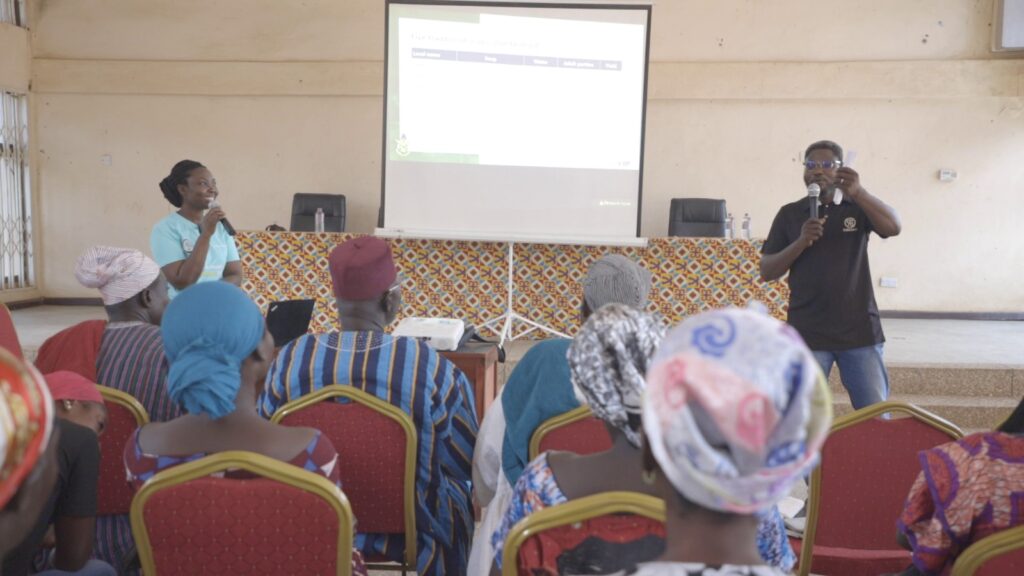

Communities in Saboba District of Ghana's Northern Region are surrounded by nutrient-rich local foods yet failing to harness their full potential due to limited knowledge of preparation and recipe combination. A groundbreaking food science study by Kwame Nkrumah University of Science and Technology (KNUST) has identified this critical gap and is now working directly with residents to transform traditional meal preparation practices.
The research, led by Principal Investigator Dr Abena Boakye and supported by UNESCO's Organisation for Women in Science for the Developing World, documented over 50 food commodities and more than 20 indigenous foods and stews consumed locally. The team's initial findings revealed a paradox: whilst individual ingredients contained valuable nutrients, the final prepared meals often failed to deliver the expected nutritional benefits. This prompted researchers to partner with community members to develop improved recipes that maximise nutrition using ingredients already available on their farms.
"Research remains research on the shelf, if the community does not benefit from it," Dr Boakye emphasised, underlining the project's commitment to translating scientific findings into practical household interventions rather than leaving discoveries confined to academic papers.
Transforming Traditional Recipes with Local Science
The Foodscape Research initiative began community engagement in 2024, working with the District Assembly's Department of Agriculture across five locations: Zegbeli, Nankperk, Bitindu, Saboba town, and Wapuli. The team conducted detailed investigations into what residents consider food, the cultural values guiding their choices, ingredient selection, meal preparation methods, and barriers to food and nutrition security.
A major achievement has been co-developing five standardised soup recipes with community members, each accounting for seasonal ingredient availability. Laboratory assessment of these recipes determined whether their nutritional composition met expected standards. The researchers also identified significant opportunities to improve breakfast meals, which they found were often heavily carbohydrate-dependent. They demonstrated practical ways residents could enrich traditional porridges with locally available ingredients without requiring additional purchases.
Particular attention has focused on underutilised local foods. Soybeans, widely available in Saboba communities, are typically sold for income rather than incorporated into traditional meals due to limited knowledge of alternative preparations. During community engagement sessions, researchers showed how soybeans could enhance porridge and koose, a beloved bean-based snack. Similarly, kpaka (a local oily seed resembling sesame) was found to have a favourable nutrient profile, though researchers note that roasting methods can affect vitamin retention.
Perhaps most intriguingly, shea tree leaves—traditionally unused or fed to animals—have shown promising preliminary results, containing minerals, vitamins, and notable iron content. However, the team is still investigating their safety for human consumption before recommending dietary integration.
Why This Matters for Ghana's Food Security Crisis
Saboba District faces persistent childhood malnutrition and concerning rates of anaemia among pregnant women. District Health Director Zeidu Arimiyaw confirmed that low haemoglobin levels remain a leading cause of stillbirths locally, making the Foodscapes project "timely and very relevant" to addressing this public health emergency. The intervention comes at a critical moment as climate change increasingly threatens local food systems and seasonal ingredient availability across northern Ghana.
This research model—combining scientific rigour with community co-production—offers a replicable template for addressing malnutrition across Ghana's vulnerable regions. By building on existing local knowledge rather than imposing external solutions, the project demonstrates how practical nutrition security can be achieved through better preparation and combination of foods communities already produce and consume. For a country where malnutrition remains a significant development challenge, particularly in northern regions, these findings underscore the importance of investing in food systems knowledge alongside agricultural production.
The project's emphasis on training agricultural extension workers ensures that improvements can be sustained and scaled beyond the initial research communities, creating lasting impact on household nutrition across Saboba and potentially beyond.
Source: MyJoyOnline



Comments (0)
Be the first to comment.