
Finance Minister: Transparent Economic Data Is the Foundation of Ghana's Recovery
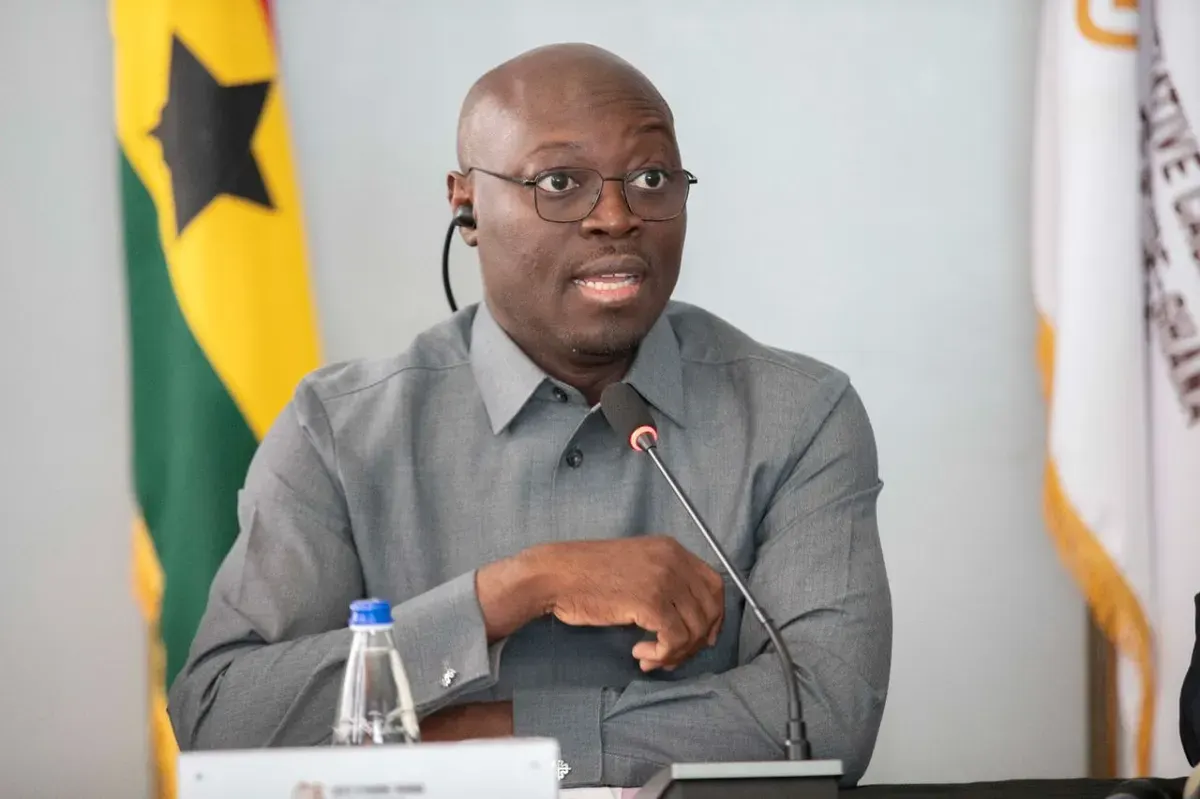

Ghana's Finance Minister has made a direct appeal for greater public engagement with the country's economic data, arguing that trust between citizens and government is built not through promises alone, but through transparent, accessible figures that people can read, scrutinise and understand.
Speaking on the importance of economic transparency, the Minister said that a series of ongoing reforms are designed to give Ghana a more reliable evidence base from which sound policy decisions can be made. "My commitment is plain: the figures in this book will guide the choices we make," he stated. "Good policy is not built on opinion or guesswork."
The push for evidence-based governance
The Minister's remarks reflect a broader shift in how Ghana's government is seeking to manage and communicate its finances — particularly at a time when the country continues to navigate the aftermath of its economic difficulties and its International Monetary Fund (IMF) programme.
At the heart of the message is a simple but significant principle: when citizens can see the numbers behind government decisions, they are better placed to hold their leaders accountable. Fiscal transparency, in this framing, is not merely a technical exercise for economists and analysts — it is a democratic tool.
The reforms referenced by the Minister are aimed at improving the quality, consistency and presentation of Ghana's economic data, so that what is published in official documents genuinely reflects the state of the nation's finances. This kind of credibility is especially important as Ghana works to restore confidence among both domestic and international stakeholders following years of fiscal strain.
Why it matters for Ghana
Ghana has been through one of its most challenging economic periods in recent memory. Inflation surged to historic highs, the cedi came under severe pressure, and the government was forced to seek an IMF bailout — a process that involved difficult negotiations and painful debt restructuring for many bondholders and pensioners.
Against that backdrop, the Finance Minister's emphasis on trustworthy data carries real weight. One of the criticisms levelled at previous fiscal management was that official projections and published figures did not always align with economic reality — a gap that eroded public confidence and complicated planning for businesses and households alike.
If citizens and investors can trust that the numbers presented in budget statements, mid-year reviews and economic bulletins are accurate and consistently compiled, it becomes easier to make informed decisions — whether that is a business deciding to invest, a household planning expenditure, or a policymaker designing an intervention.
Internationally, transparent and credible data also strengthens Ghana's hand in negotiations with lenders, rating agencies and development partners. Countries that demonstrate sound statistical governance are generally viewed as lower-risk partners, which can translate into better borrowing terms and greater investor confidence over time.
Accountability starts with the numbers
The Minister's statement also carries a political dimension. By pledging publicly that policy choices will be guided by the published figures, he is setting a standard against which the government can itself be judged. It is an invitation — and, some would argue, an obligation — for Parliament, civil society, journalists and ordinary Ghanaians to engage with the data and challenge decisions that appear inconsistent with it.
- Economic literacy among citizens strengthens democratic oversight and reduces the space for fiscal mismanagement to go unnoticed.
- Ghana's ongoing IMF programme places particular emphasis on fiscal discipline and data transparency as conditions for continued support.
- Civil society organisations and think tanks in Ghana have long called for more accessible and timely publication of government financial data.
Whether these commitments translate into lasting structural change will depend on implementation — but the direction signalled by the Finance Minister is one that reformers and watchdog groups across Ghana have consistently advocated for. The figures, as he rightly notes, must do the talking.
Source: 3News




Comments (0)
Be the first to comment.