
Refine Gold at Home: Ato Forson Makes the Case for Local Processing to Boost Jobs and Revenue


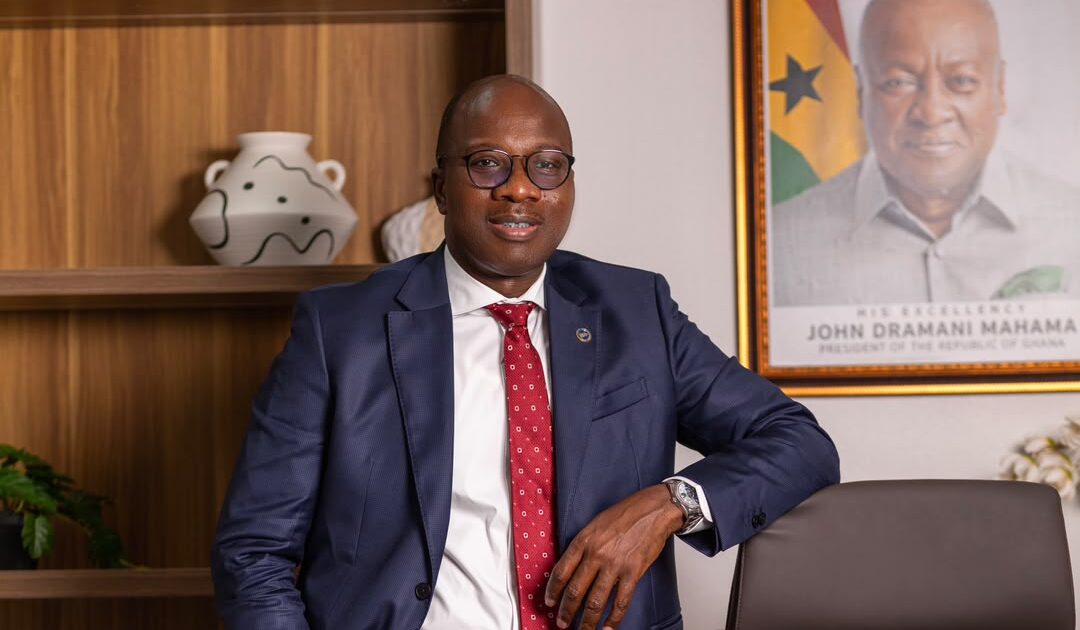
Ghana's Finance Minister, Dr Cassiel Ato Forson, has made a strong case for transforming the country's gold sector by processing the precious metal locally rather than shipping it abroad in its raw form. Speaking on the matter, Forson argued that refining gold within Ghana's borders would not only create much-needed jobs but would also position the country as a regional hub capable of attracting gold from neighbouring West African states.
A Resource-Rich Nation Still Exporting Raw Value
Ghana is one of Africa's largest gold producers, consistently ranking among the continent's top two or three mining nations. Yet for decades, the bulk of the gold extracted from Ghanaian soil has left the country in an unrefined or semi-processed state, meaning the higher-value stages of production — and the economic benefits that come with them — have been captured elsewhere, particularly in Europe and the Middle East where major refining facilities are located.
This arrangement has long frustrated economists and policymakers who argue that Ghana is, in effect, exporting jobs along with its ore. A refined gold bar commands significantly more value on international markets than raw or dore gold, and the refining process itself supports a wide ecosystem of skilled and semi-skilled employment, from metallurgists and engineers to logistics and quality-assurance professionals.
Minister Forson's call is therefore not an entirely new conversation, but it carries fresh urgency given the current administration's focus on economic transformation and domestic value addition. Ghana has previously made attempts to develop local refining capacity — the Precious Minerals Marketing Company (PMMC) has historically played a role in this space — but full-scale industrial refining has remained elusive.
Why It Matters for Ghana
The implications of a serious shift towards local gold refining would be far-reaching for Ghana's economy. At a time when the country is working to stabilise its finances following a debt restructuring process, finding new sources of domestic revenue and employment is a national priority.
Local refining would mean that more of the economic activity associated with gold stays within Ghana, increasing tax revenues, foreign exchange earnings, and formal sector employment. It would also reduce Ghana's dependence on the volatile global commodity market for raw exports, giving the country more leverage in how and where its gold is sold.
Perhaps most ambitiously, Forson's suggestion that Ghana could attract gold from neighbouring countries points to a broader regional strategy. West Africa is home to significant gold production across countries including Mali, Burkina Faso, and Côte d'Ivoire. If Ghana were to develop world-class refining infrastructure, it could serve as the refining destination of choice for the sub-region — turning Accra or another Ghanaian city into a genuine gold trading and processing centre akin to what Dubai has built for itself in recent decades.
- Such a development would boost Ghana's services sector and foreign exchange inflows considerably.
- It would also strengthen Ghana's hand in ongoing conversations about beneficiation — the broader principle that African nations should process their own raw materials before export.
- Regional integration through bodies like ECOWAS could facilitate the cross-border movement of gold to Ghanaian refineries, provided the right regulatory frameworks are established.
The Road Ahead
Turning the Finance Minister's vision into reality will require deliberate policy action, significant investment in infrastructure, and a favourable regulatory environment that incentivises both local and foreign investors to establish or expand refining operations in Ghana. Questions around power supply, security of gold in transit, and international certification standards for refined gold will all need to be addressed.
Civil society groups and mining sector analysts have long echoed similar calls, and there appears to be growing political will to move in this direction. Whether that will translates into concrete industrial policy and funded programmes remains to be seen, but Ato Forson's public push keeps the conversation firmly on the national agenda at a critical moment for Ghana's economy.
Source: 3News




Comments (0)
Be the first to comment.