
Beyond the numbers: Can Ghana's gold reforms deliver real prosperity?


Ghana's Gold Board has announced that its reforms have created nearly 5,000 jobs in under two years, but employment figures alone tell an incomplete story about whether the country is truly benefiting from its mineral wealth. The challenge now facing policymakers is whether these gains can translate into lasting economic transformation or remain temporary opportunities in an extractive sector that historically enriches foreign investors more than local communities.
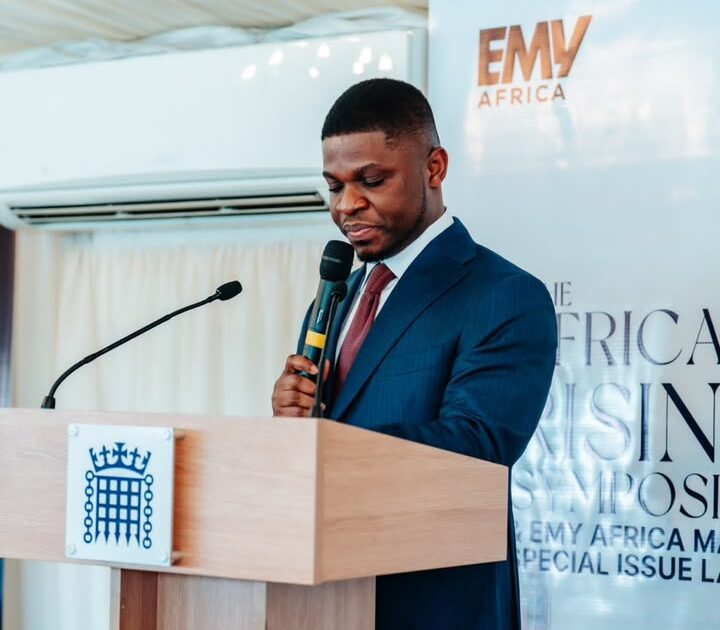
The 4,866 jobs disclosed by GoldBod's Chief Executive Officer Sammy Gyamfi break down into 361 public-sector roles and 4,505 private-sector positions, with additional indirect opportunities emerging across the gold value chain. Whilst these numbers are encouraging at a time when youth unemployment remains acute across Ghana, the quality, sustainability and actual impact of these roles warrant closer examination than headlines typically allow.
The real test: Sustainable employment and value addition
For these jobs to represent genuine progress, several conditions must be met. GoldBod must provide transparent, independently verifiable data on employment outcomes and ensure opportunities genuinely improve livelihoods rather than creating precarious positions. More critically, Ghana needs to capture greater value from its gold rather than simply exporting raw materials—a pattern that has characterised the sector for decades.
The government's focus should shift towards local processing, refining, jewellery production and equipment supply. These downstream activities generate higher margins, develop technical expertise, retain skilled workers and create multiplier effects throughout the economy. Artisanal smelters and small-scale jewellers mentioned in GoldBod's plans represent a start, but industrial-scale value addition remains limited.
The planned Artisanal and Small-Scale Mining Formalisation and Financing Support Programme, scheduled for 2027, offers potential but requires rigorous implementation. Collaboration with the Ministry of Lands and Natural Resources, the University of Mines and Technology and South Africa's Rand Refinery could improve productivity and standards—provided it includes accessible financing, practical technical support and clear environmental safeguards. Formalisation must make lawful mining more attractive than illegal operations, not simply impose bureaucratic burden on miners.
Why it matters for Ghana: Protecting communities whilst building wealth
Ghana's mining sector has historically created wealth for shareholders and governments whilst leaving host communities with environmental damage and limited lasting benefit. Rivers polluted by cyanide, forests degraded by illegal mining, agricultural land rendered unusable—these costs are borne by the communities nearest mining operations, often among Ghana's poorest populations.
For job creation to represent genuine development, environmental protection must be non-negotiable. Higher gold production cannot justify destroyed water sources or contaminated agricultural land. The geological investigations at Funsi in the Upper West Region and Bensere in Ashanti may improve Ghana's knowledge of mineral deposits, but this knowledge must support responsible mining decisions, not simply maximise extraction volumes.
Equally important is GoldBod's proposal that Ghana move beyond receiving royalties and free-carried interests towards genuine equity ownership in sustainable mining operations. This shift could fundamentally alter how mining wealth flows through the economy. However, such arrangements require competent management, transparent agreements and sound commercial judgement to protect public resources from mismanagement or unfavourable deals.
What happens next: Accountability and measurable outcomes
Announcements of reforms and future programmes mean little without implementation. GoldBod and its partners must establish clear, measurable targets with adequate funding and transparent accountability mechanisms. Regular public reporting on actual jobs created, local participation rates, value added locally and environmental performance metrics will demonstrate whether rhetoric translates into results.
Success should ultimately be judged not by gold production volumes but by whether mining improves Ghanaian livelihoods, builds domestic industries and protects natural resources for future generations. The 4,866 jobs announced are a starting point—but only if they represent the foundation of a fundamentally different relationship between Ghana and its mineral wealth.
Source: The Ghanaian Times



Comments (0)
Be the first to comment.