
Minority Challenges Bagbin's Ruling, Pushes for Parliamentary Drug Trafficking Probe
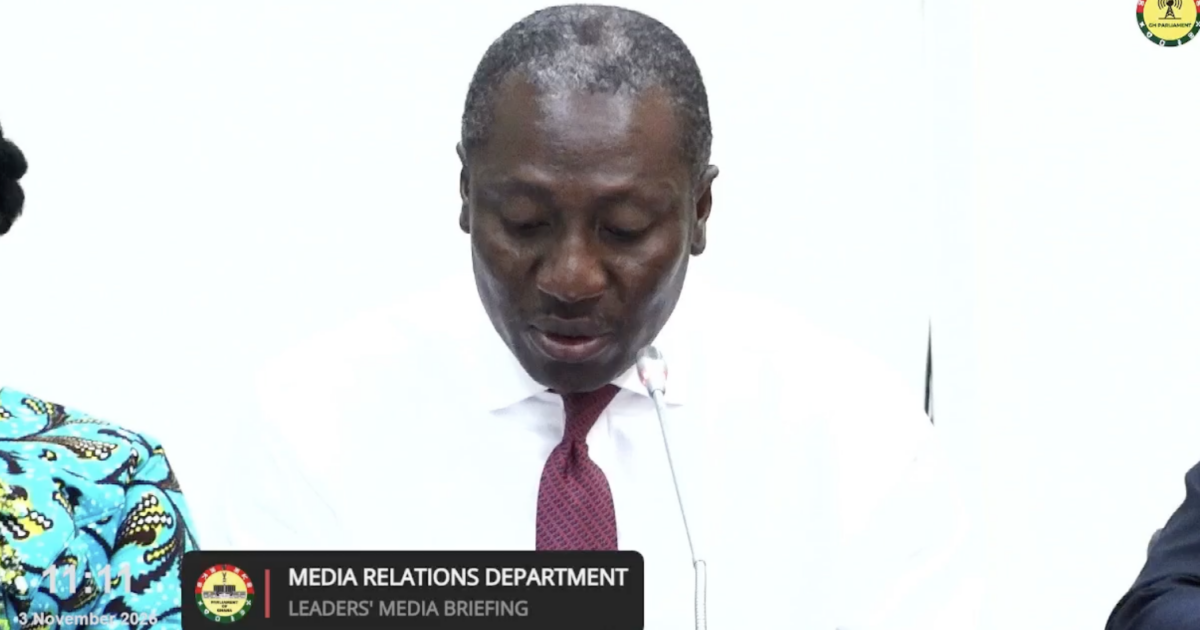

Ghana's parliamentary Minority has escalated its push for a formal investigation into drug trafficking by filing a motion to review Speaker Alban Bagbin's ruling that declared such an inquiry inadmissible. The move signals a significant constitutional standoff between the legislature's opposition bloc and the Speaker's office over the limits of parliamentary oversight.
What happened and why it is contested
On 29 September 2026, Speaker Bagbin ruled the Minority's proposed parliamentary inquiry inadmissible, arguing that proceeding with it risked prejudicing ongoing criminal cases involving approximately 21 individuals across four separate narcotics-related prosecutions. The Minority, however, argues that criminal proceedings and parliamentary oversight serve entirely different constitutional purposes and should not be treated as mutually exclusive.
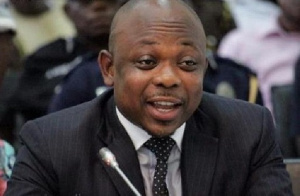
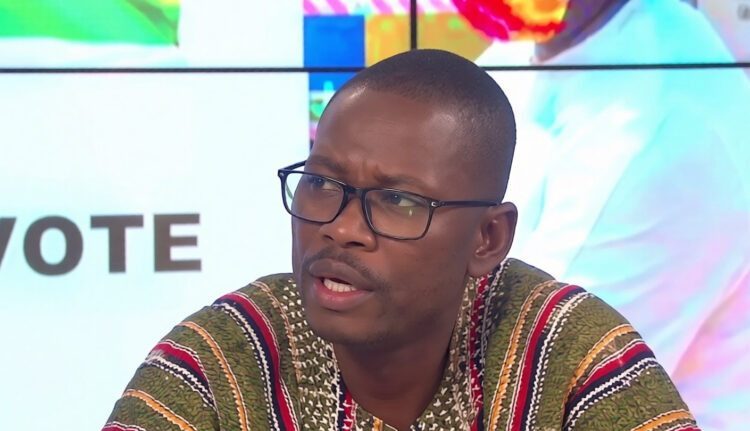
The motion to review the Speaker's ruling was filed by First Deputy Minority Whip and Tolon MP Habib Iddrisu, invoking Standing Order 127 of Parliament's Standing Orders. Ahead of Parliament's resumption on Tuesday, 3 November, Minority Leader Alexander Afenyo-Markin addressed a press briefing in which he stressed that the motion was not an attack on the Speaker's authority but a constitutional challenge the Minority felt duty-bound to pursue.
"Respect for the office does not require silence when a ruling raises a serious question about the constitutional powers of Parliament," Afenyo-Markin said.
The scale of the drug seizures driving the demand for scrutiny
The Minority's call for an inquiry was prompted by a series of large narcotics seizures in which consignments linked to Ghana were intercepted at ports across the world. Among the most significant was the interception of approximately 3.9 tonnes of cocaine at the Port of Dunkirk in France on 7 September 2026. The shipment, allegedly concealed within a consignment of plastic waste originating from Ghana, was estimated to be worth around €225 million.
Afenyo-Markin also pointed to separate seizures in Amsterdam, Antwerp and Sydney, as well as suspected cocaine interceptions within Ghana itself — including incidents at the Tema Harbour enclave and at Pedu Junction. He argued that the sheer scale and frequency of these incidents raised urgent questions about port security, cargo inspection procedures, customs controls and the country's broader framework for combating transnational organised crime.
Why it matters for Ghana
At the heart of this dispute lies a question that goes well beyond parliamentary procedure: who is responsible for ensuring that Ghana's ports and border infrastructure are not being exploited as conduits for the international drug trade?
The Minority's position is that criminal prosecutions of individuals, while necessary, cannot substitute for institutional accountability. Public agencies charged with securing Ghana's ports and borders must be subject to scrutiny regardless of what is happening in the courts. As Afenyo-Markin put it, "The prosecution of individuals, however necessary, cannot absolve the government of its responsibility to account for the institutional and regulatory weakness that may have facilitated these incidents."
Ghana's reputation as a logistics and trade hub in West Africa makes it an attractive transit point, and repeated high-profile seizures abroad involving Ghanaian-origin consignments risk damaging the country's standing with international trading partners and regulatory bodies. A parliamentary probe, the Minority argues, would examine whether existing laws are adequate and whether administrative failures require corrective action — functions that are constitutionally distinct from what a criminal court does.
- The outcome of the review motion could set a significant precedent for the boundaries of Parliament's oversight authority in Ghana.
- Should the motion succeed, it would likely open the door to formal hearings involving customs, port security and intelligence agencies.
- Should it fail, questions about institutional accountability over the drug trafficking incidents may go unresolved at the legislative level, leaving them to be addressed — if at all — through executive or judicial channels alone.
Parliament is expected to take up the matter when it resumes sitting, making this one of the more constitutionally charged debates of the current legislative calendar.
Source: MyJoyOnline



Comments (0)
Be the first to comment.