Fix the System, Not Just the People: MP Toobu's Push for Real Drug Trafficking Solutions
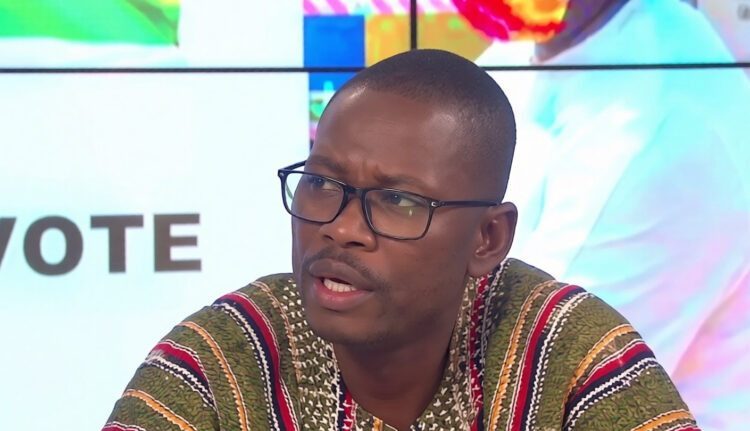
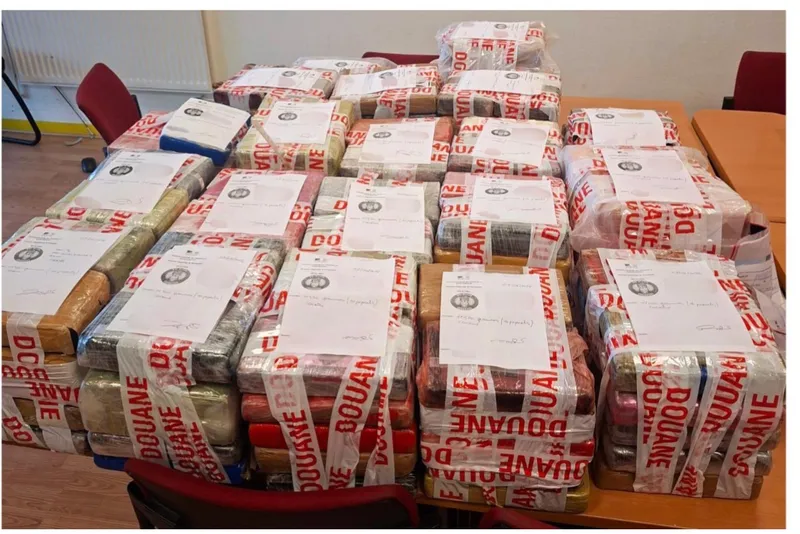
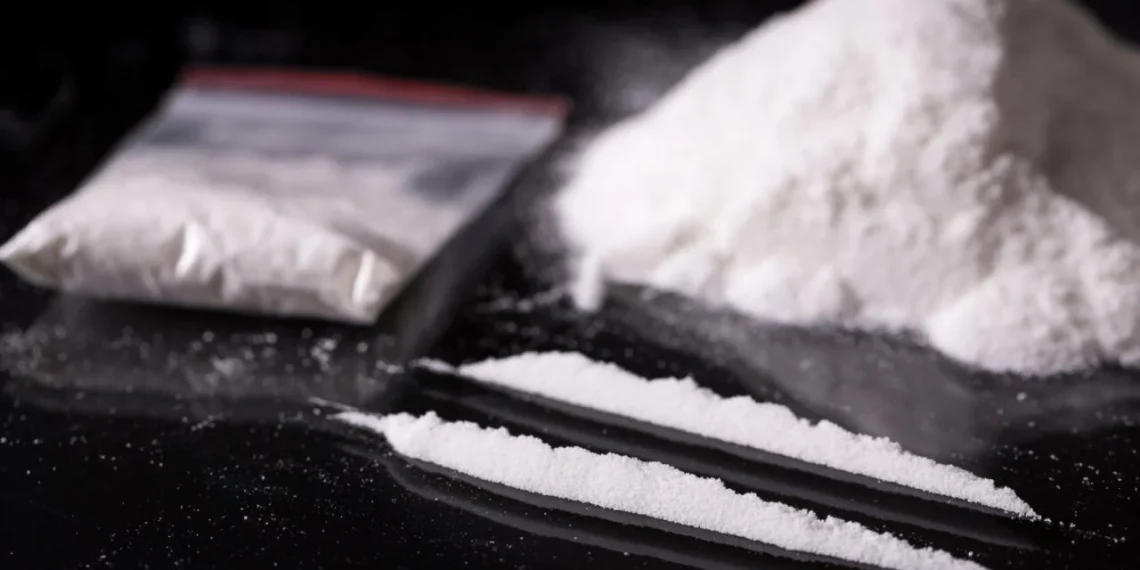
Ghana's fight against drug trafficking demands systemic reform rather than scapegoating, according to Peter Lanchene Toobu, Member of Parliament for Wa West and Vice Chairman of Parliament's Defence and Interior Committee. His call comes as the country grapples with a fresh crisis: French customs seized nearly 3.9 tonnes of cocaine from a container that shipped from Ghana to the Port of Dunkirk, reigniting debate over how drugs move through the nation's borders.
Speaking on Saturday, September 19, 2026, Mr Toobu rejected the notion that dismissing security officials offers a path forward. "You don't correct the system by firing people," he stated bluntly. His intervention enters a heated moment—the Parliamentary Minority has demanded Parliament be recalled to discuss recent incidents and calls have mounted for accountability at the highest levels of security agencies.
Why Sacking Officials Misses the Mark
Mr Toobu's argument cuts to the heart of Ghana's security challenge. Removing individuals from office without identifying and plugging the gaps that allowed contraband to slip through ports leaves the infrastructure intact for the next failure. He cautioned that Parliament must take a broader view, using its existing oversight mechanisms—particularly its committees—to scrutinise security agencies even during parliamentary recess. Waiting for a major crisis before acting, he warned, amounts to reactive firefighting rather than genuine oversight.
His position reflects growing recognition that narcotics trafficking is not a problem of bad people but of bad systems. The gaps criminals exploit—whether in port screening, inter-agency coordination, or intelligence sharing—require diagnosis and remedial investment, not mass firings.
Building Capacity, Not Just Assigning Blame
Mr Toobu emphasised that Ghana needs a comprehensive security audit to identify vulnerabilities across its border and port infrastructure. He called for enhanced investment in:
- Advanced screening technology at ports and land borders
- Training and professional development for security personnel
- Stronger collaboration among agencies responsible for narcotics interdiction
The MP's remarks align with recent government action. President John Mahama has directed an inter-agency task force to develop a national roadmap to prevent narcotics trafficking. This signals recognition at the highest level that defeating drug smuggling demands coordinated, strategic planning rather than reactive disciplinary measures.
What This Means for Ghana's Fight Against Drugs
Ghana faces a reputational and security crisis. The cocaine seizure in France exposed the nation's vulnerability as a transit hub for international drug syndicates. For ordinary Ghanaians, the issue matters deeply: drug trafficking fuels corruption, destabilises communities, and tarnishes Ghana's international standing. For businesses and investors, it signals that security systems may be compromised.
Mr Toobu's argument—though potentially controversial given public appetite for visible accountability—offers a harder but more durable path. A security sector reformed through investment, training, and systemic overhaul stands a better chance of sustainably disrupting trafficking networks than periodic purges of officials.
The challenge now lies in execution. Parliamentary committees must maintain consistent oversight. Security agencies must be empowered and held to higher standards. And the inter-agency task force must translate the national roadmap into concrete actions: modern equipment, intelligence integration, and personnel who can detect and intercept contraband before it leaves Ghana's shores.
Source: The Ghana Report

Comments (0)
Be the first to comment.