Security expert calls for presidential mercy as Ghana faces drug trafficking coordination crisis
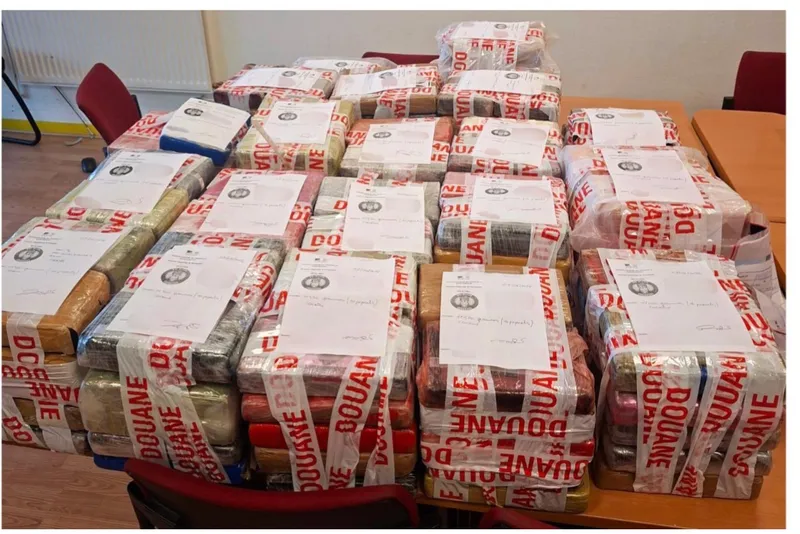
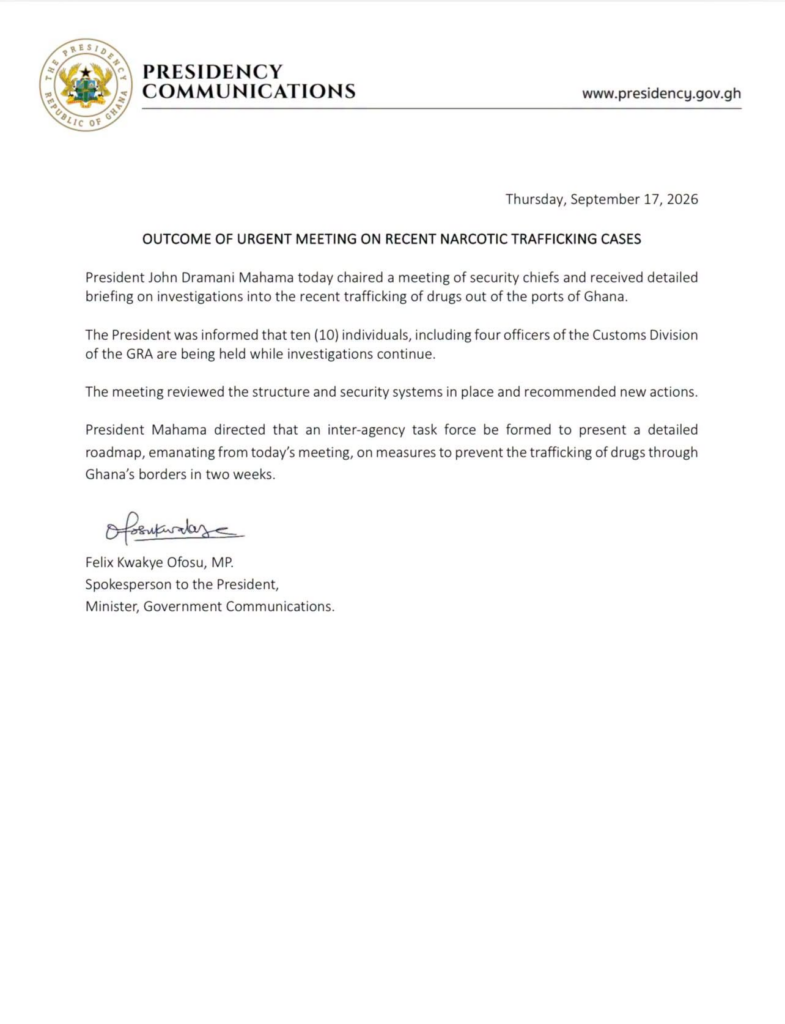
A prominent security expert has made a controversial appeal to President John Dramani Mahama, requesting the release of security officials detained in connection with a significant cocaine bust. The call raises important questions about how Ghana's fragmented security apparatus handles narcotics operations and the broader challenge of inter-agency coordination in combating drug trafficking.
The expert's intervention centres on a fundamental problem plaguing Ghana's fight against narcotics: the involvement of multiple security and state agencies operating with insufficient oversight and coordination mechanisms. According to the analyst, drug trafficking networks do not operate in silos—they exploit vulnerabilities across customs, police, navy, and intelligence units, making it nearly impossible to hold any single officer or unit fully responsible for lapses.
The coordination challenge in Ghana's security sector
Ghana's security infrastructure, whilst robust on paper, often struggles with real-world coordination. The Police Service, Bureau of National Investigations, Customs Division, and military maritime units each maintain separate operational procedures, intelligence channels, and reporting lines. When a major drug seizure occurs, determining accountability becomes complicated: Should responsibility fall on the officer at the port of entry, the unit commander, or the strategic leadership that failed to establish unified protocols?
The security expert argues that detaining junior and mid-level security personnel without addressing systemic failures amounts to scapegoating. Narcotics syndicates are sophisticated; they invest in understanding which checkpoints are vulnerable, which officials might be compromised, and which communication gaps can be exploited. Individual security officers, without proper training, resources, and institutional support, become easy targets for either failure or corruption.
Why it matters for Ghana
Ghana's reputation as a transshipment hub for cocaine has grown considerably over the past decade. The West African country sits strategically between cocaine-producing regions and European markets, making it attractive to trafficking networks. High-profile busts—whilst demonstrating some success—often mask deeper vulnerabilities in how agencies work together.
If Ghana's response to drug trafficking relies primarily on individual accountability rather than systemic reform, the country risks a cycle where arrests and prosecutions create the appearance of action without addressing root causes. Officers become cautious but not necessarily more effective; cartels simply adapt their routes and methods. Meanwhile, the international community and potential investors may continue to view Ghana as unstable or corruption-prone if the security sector cannot coordinate effectively.
The expert's plea also touches on morale within Ghana's security forces. If officers fear being held solely responsible for interdiction failures that reflect broader agency dysfunction, recruitment and retention become harder. Conversely, if systemic solutions—better intelligence sharing, unified command structures, and transparent oversight—are prioritised, the security sector can operate with both integrity and confidence.
Moving forward
Whether President Mahama grants clemency or not, Ghana's government faces a larger challenge: establishing a coordinated national strategy on narcotics that integrates police, customs, navy, and intelligence under clear accountability frameworks. This means investment in training, technology, inter-agency task forces, and transparent reporting to the public and development partners.
The cocaine bust that prompted this debate should be a catalyst for institutional reform, not just individual punishment. Ghana's security sector has the capacity to become a model for West Africa—but only if it addresses coordination gaps that trafficking networks continue to exploit.
Source: 3News

Comments (0)
Be the first to comment.