President Mahama Reportedly Tense With Security Chiefs Over Ghana's Drug Trafficking Crisis

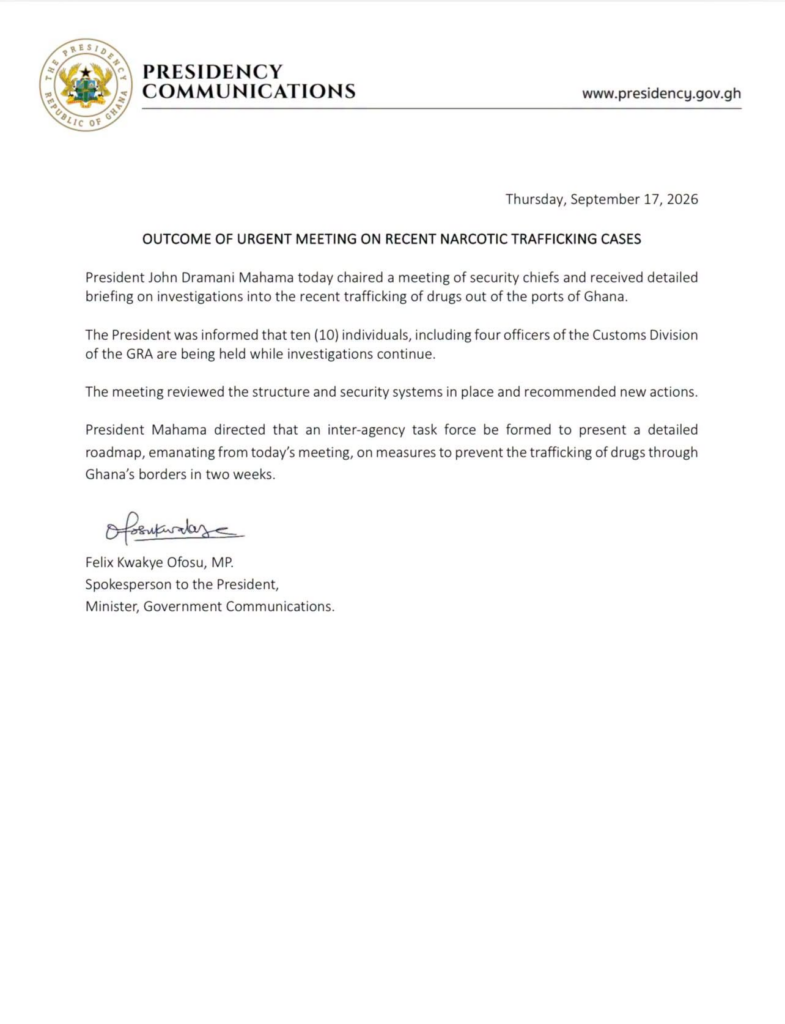
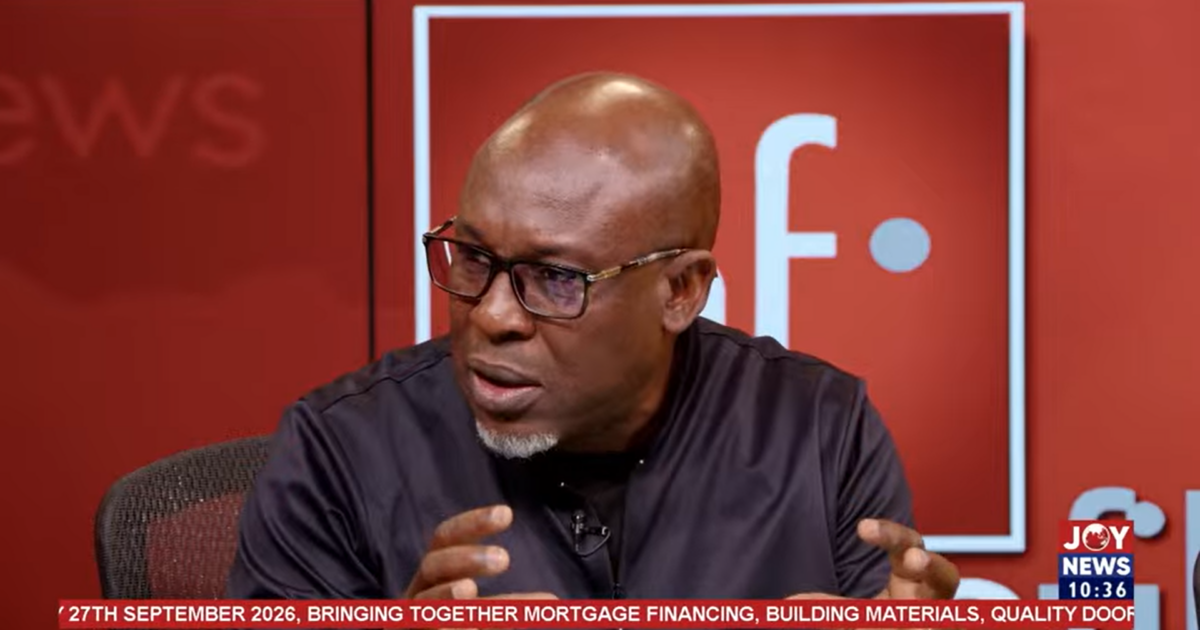
President John Dramani Mahama has reportedly had heated discussions with Ghana's security chiefs over the country's growing involvement in international cocaine trafficking, according to recent statements by political commentator Edudzi Tamakloe.
Tamakloe indicated that the President expressed significant frustration during the meeting, with tensions running high as officials discussed the recurring pattern of large-scale cocaine busts linked to Ghana. The exchanges were characterised as contentious, with Mahama visibly dissatisfied with the security sector's handling of the drug trafficking menace.
Growing Drug Trafficking Concerns
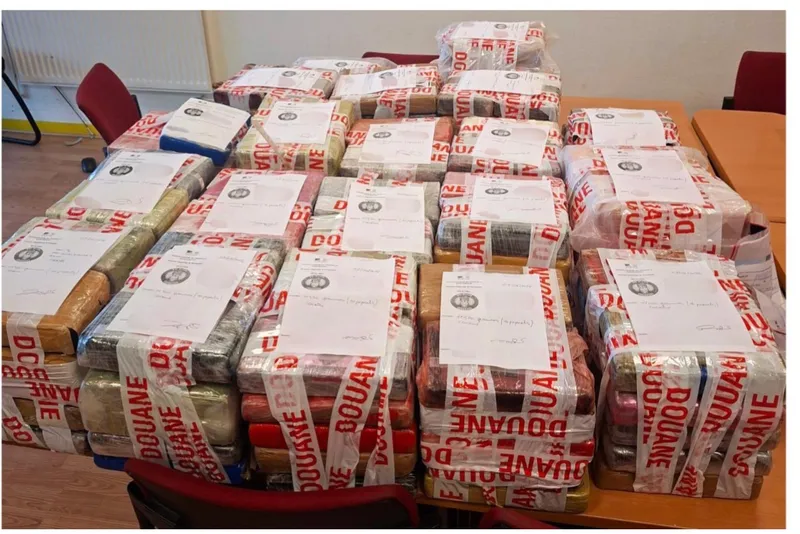
Ghana has in recent years become a focal point in international drug enforcement operations, with law enforcement agencies across West Africa and beyond regularly intercepting cocaine shipments with Ghanaian connections. These incidents have drawn unwanted international attention and raised concerns about the country's reputation on the global stage.
The seizures suggest involvement at multiple levels—from trafficking networks using Ghana as a transit point to cases where Ghanaians have been arrested abroad attempting to smuggle drugs. Each major bust generates negative headlines that affect Ghana's international standing and business relations.
Why It Matters for Ghana
The President's apparent displeasure signals an intensified focus on drug enforcement at the highest levels of government. For Ghana, tackling cocaine trafficking is not merely a law enforcement matter—it has broader implications for national security, economic stability, and diplomatic relations.
Ghana's vulnerability to drug trafficking stems from several factors: its strategic location on West Africa's coast, relatively sophisticated port infrastructure, and existing organised crime networks. When major cocaine seizures occur, they damage Ghana's image internationally and can lead to increased scrutiny from foreign governments and financial institutions.
Moreover, the drug trade fuels corruption within state institutions, undermines rule of law, and diverts security resources from other critical challenges. A high-level presidential intervention suggests the government recognises these stakes and is seeking urgent accountability from security sector leadership.
For ordinary Ghanaians, the government's determination to address this issue could mean stronger border controls, increased military and police presence at ports, and potentially more arrests of traffickers. It also signals that the administration is taking seriously public concerns about organised crime and its destabilising effects on communities.
What Comes Next
Whether this presidential meeting translates into concrete policy changes remains to be seen. Ghanaians will be watching for signs of coordinated action between agencies, enhanced intelligence operations, and international cooperation with neighbouring countries and international bodies to dismantle trafficking networks.
The security chiefs will likely face increased pressure to produce results and demonstrate improved interagency coordination. Success will require not only stronger enforcement but also addressing corruption within security institutions themselves—a persistent challenge in Ghana's fight against organised crime.
Source: 3News

Comments (0)
Be the first to comment.