Ghana's Resurgence in Global Drug Trafficking: From Transit Hub to Major Enforcement Challenge

Ghana's involvement in the international drug trade has resurfaced as a pressing concern for law enforcement and policymakers, nearly two decades after the country's name faded from major global cocaine cases. Recent enforcement operations have revealed troubling patterns that suggest Ghana may have evolved from a simple transit point into something far more complex within the structure of international narcotics trafficking networks.
The reappearance of Ghana in high-profile cocaine cases marks a significant shift in the country's relationship with the global drug trade. Where once the focus centred on organised crime syndicates using Ghanaian ports and airports to move contraband across borders, investigators now confront evidence of larger-scale operations with domestic dimensions. These discoveries have prompted difficult questions about the true extent of Ghana's entanglement in the Class A drug economy.
The Scale of Recent Interceptions
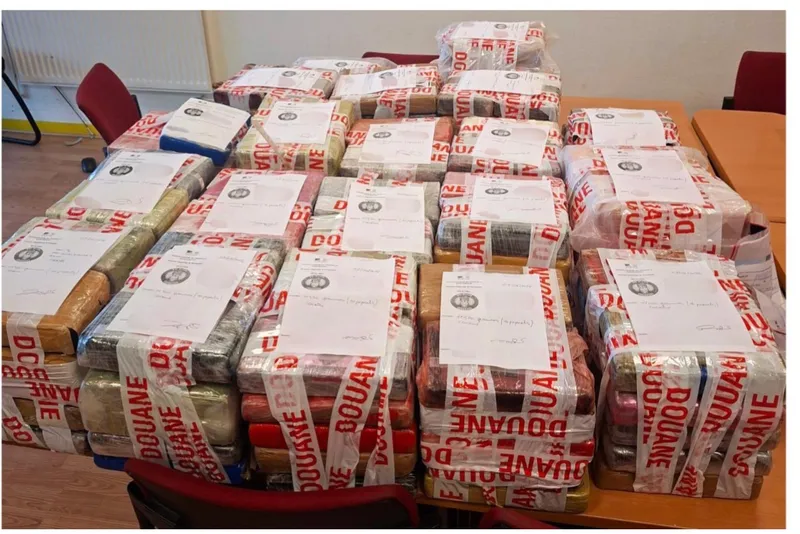
Large quantities of cocaine have been intercepted before reaching European markets, suggesting that law enforcement operations have become increasingly effective at identifying trafficking routes through Ghana. These seizures represent more than routine border security successes; they indicate the scale and sophistication of networks currently utilising Ghanaian territory and infrastructure. The fact that substantial shipments are being caught domestically points to active distribution networks and storage operations within Ghana itself, rather than purely transactional arrangements.
The strategic location of Ghana on West Africa's Atlantic coastline, combined with its relatively developed port infrastructure and regional transport networks, makes it inherently vulnerable to exploitation by trafficking organisations. These structural factors have long made the country attractive to criminal enterprises seeking reliable routes into European and global markets.
The Dealership Question: Understanding Ghana's Evolving Role
The critical distinction being examined by regional and international agencies centres on whether Ghana functions primarily as a transit point or operates increasingly as a dealership—a processing, distribution, and consolidation hub for broader trafficking operations. This classification carries significant implications for drug policy, law enforcement strategy, and international cooperation frameworks.
A transit point designation suggests Ghana serves mainly as a geographic corridor where drugs pass through with minimal local value-add activity. Conversely, a dealership model implies substantive local criminal infrastructure: warehousing, processing, repackaging, and distribution networks that generate profit locally whilst servicing regional and international demand. Evidence of major cocaine cases discovered within Ghana rather than at export points lends weight to concerns about the dealership scenario.
Why It Matters for Ghana
Ghana's classification within international drug trade structures carries serious consequences. It affects the country's reputation on the global stage, influences foreign investment decisions, impacts tourism, and attracts heightened scrutiny from international law enforcement agencies. Drug trafficking cases have previously implicated government officials and security personnel, creating institutional credibility challenges.
Beyond international relations, the proliferation of cocaine networks domestically threatens Ghana's own social fabric through addiction, organised crime violence, and corruption of local institutions. Young Ghanaians are increasingly at risk of recruitment into trafficking networks offering lucrative but destructive opportunities.
For policymakers, understanding whether Ghana faces a transit problem or a dealership problem determines the appropriate response. Transit-focused interventions emphasise border security and port management. Dealership concerns demand broader strategies targeting domestic criminal organisations, institutional corruption, and drug demand reduction.
As investigations continue and more major cases surface, Ghana must confront hard truths about its role in global narcotics trafficking and commit to sustained, comprehensive enforcement and institutional reform efforts.
Source: 3News


Comments (0)
Be the first to comment.