
Airport Drug Scandal: Why Can Kotoka's Scanners Spot Your Perfume But Miss Cocaine?
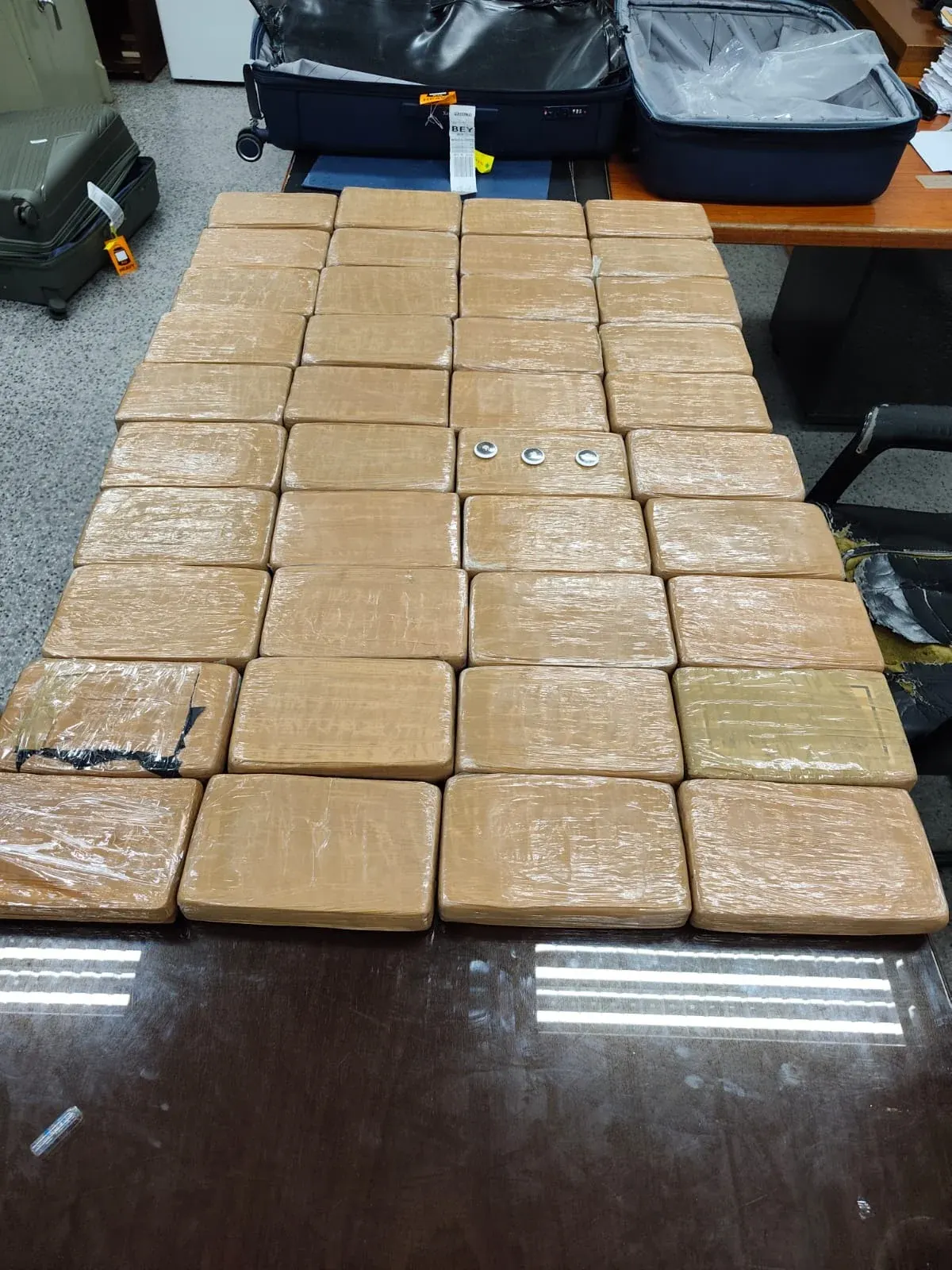

Serious questions are being asked about the integrity of security infrastructure at Kotoka International Airport (KIA) after a prominent Ghanaian politician pointed out a glaring contradiction: the same scanners that can detect a can of drink or a bottle of perfume in a passenger's luggage appear incapable of flagging cocaine being smuggled through one of West Africa's busiest airports.
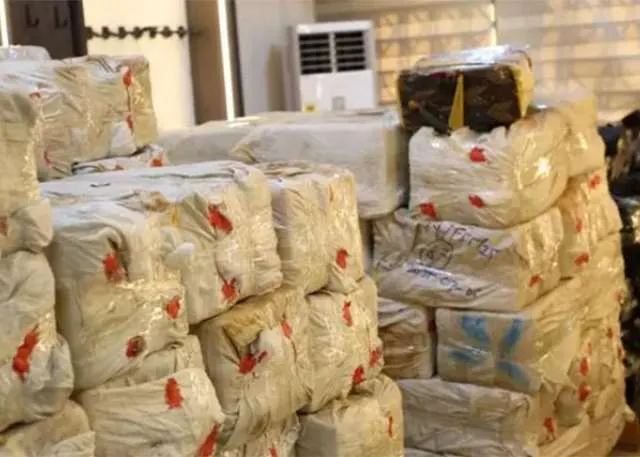
The comments, made by politician Kwarteng, come against the backdrop of a troubling series of drug seizures that have been traced back to Ghana, raising alarm about whether the country is becoming a significant transit hub for narcotics destined for European and other international markets.
What Was Said — and Why It Stings
Kwarteng did not mince his words. Describing the pattern of incidents as the hallmarks of organised crime, he expressed disbelief that technology routinely used to enforce minor airport regulations — such as flagging liquids or personal care products in hand luggage — is apparently not being deployed effectively enough to intercept hard drugs passing through Ghana's main international gateway.
His remarks cut to the heart of a question many Ghanaians are asking: is this a failure of equipment, a failure of procedure, or something far more troubling — a deliberate blind spot enabled by corruption within the system?
Kwarteng called on the government to come forward with a clear and credible explanation of what is being done to address the repeated drug seizures linked to Ghanaian ports of exit. The demand for accountability is loud and growing.
Why It Matters for Ghana
Ghana's reputation as a stable, well-governed democracy in a turbulent region is one of its most valuable assets — both for attracting foreign investment and for maintaining favourable diplomatic relationships. Every high-profile drug bust linked to KIA chips away at that reputation.
Beyond image, there are real security implications. When organised criminal networks gain a foothold in a country's logistics infrastructure — whether at airports, seaports, or land borders — the consequences extend well beyond drug trafficking. Money laundering, corruption of public officials, and the erosion of institutional trust typically follow.
Ghana has previously faced scrutiny over its use as a narcotics transit point. West Africa more broadly has been identified by international anti-drug agencies as a key corridor for cocaine moving from South America towards European markets. The concern is that weaknesses at KIA — whether technical, procedural, or human — are being exploited by well-resourced criminal organisations that have mapped out exactly where the gaps lie.
- Security scanner technology at KIA has come under direct public criticism for the first time in this cycle of drug scandals.
- Calls are growing for the government to present a concrete and transparent action plan to combat drug trafficking through Ghanaian airports.
- West Africa remains a critical transit zone for cocaine flowing from South America to Europe, making robust border security a matter of national and regional importance.
What Must Happen Next
The government faces pressure on multiple fronts. First, there must be an independent audit of the scanning and detection equipment currently in use at KIA to determine whether the hardware is fit for purpose or whether it is being deliberately under-utilised. Second, the human element cannot be ignored — thorough vetting and monitoring of airport security personnel is essential to rule out insider facilitation of drug smuggling.
Civil society groups and opposition voices are also urging that Ghana's Narcotics Control Commission (NACOC) be given the resources and political backing it needs to operate without interference. Transparency around prosecutions and investigations into these cases will be key to restoring public confidence.
Ghana cannot afford to let its airports become known internationally as easy passage for drug traffickers. The reputational, economic and security costs of inaction are simply too high. The government must act — and must be seen to act — with urgency.
Source: 3News



Comments (0)
Be the first to comment.