
Ghana Cocaine Seizures Point to Organised Crime Networks, Says Kwasi Kwarteng
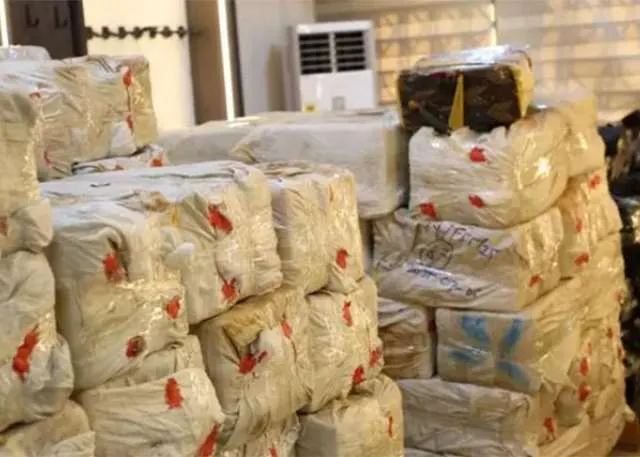

Recent high-profile cocaine seizures in Ghana have drawn sharp political commentary, with politician Kwasi Kwarteng stating plainly that what the country is witnessing has all the hallmarks of organised criminal activity. While stopping short of accusing the government of direct involvement, Kwarteng warned that the posture and responses of authorities are themselves cause for serious concern.
A pattern that demands answers
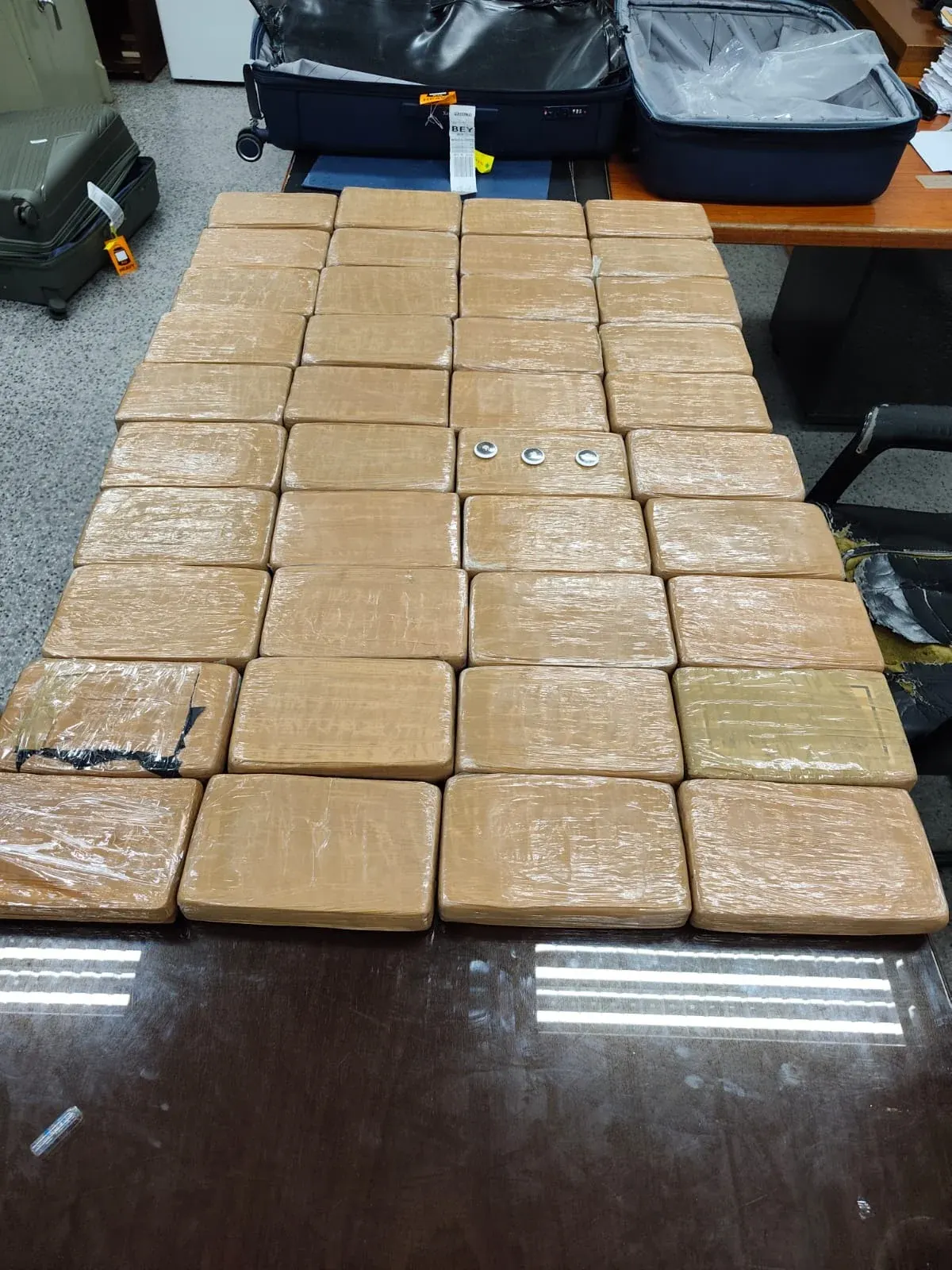
Ghana has experienced a troubling number of significant drug busts in recent times, with large quantities of cocaine intercepted at ports, in transit vehicles, and in private residences. For observers like Kwarteng, the scale and frequency of these seizures suggest that Ghana is no longer merely a transit point for narcotics moving between South America and Europe — but that deeply embedded criminal networks may be operating within the country's borders with considerable confidence.
Organised drug trafficking at this level rarely operates in isolation. It typically requires logistical support, local knowledge, and in many documented cases around the world, some degree of institutional protection or at minimum, institutional blind spots. It is this dimension that Kwarteng appears to be pointing at when he describes the government's posture as problematic, even if he is not alleging outright complicity.
Why it matters for Ghana
The implications for Ghana are substantial. As one of West Africa's most stable democracies and a country that prides itself on the rule of law, being perceived as a narco-transit hub — or worse, a country where drug networks operate with impunity — carries serious reputational and economic consequences.
International partners, including the United States and the European Union, have long flagged West Africa as a key corridor for cocaine trafficking. Ghana's ports, particularly Tema, have featured in several international drug enforcement reports. If organised crime is indeed taking firmer root locally, the downstream effects could include increased street-level drug abuse, corruption of public institutions, and a chilling effect on foreign direct investment.
There is also a democratic accountability dimension. When politicians and civil society figures raise alarms and the government's response is seen as defensive, dismissive, or insufficiently urgent, it erodes public trust in the very institutions meant to protect citizens. Kwarteng's remarks, whether one agrees with them or not, reflect a broader anxiety in Ghanaian public discourse about whether the state has the will — not just the capacity — to confront organised crime head-on.
What needs to happen next
Experts and civil society groups have consistently called for stronger inter-agency coordination between Ghana's law enforcement bodies, more transparent prosecution of drug-related cases, and meaningful whistleblower protections to encourage those with information to come forward without fear. There are also growing calls for asset recovery legislation that would make it harder for illicit wealth to be laundered through legitimate businesses.
Beyond enforcement, there is the question of political will. High-profile drug busts only translate into lasting impact when they are followed by credible prosecutions that reach up the criminal chain — not just foot soldiers, but the financiers, facilitators and any officials who may have looked the other way.
- Ghana's ports and transit routes have been repeatedly flagged in regional drug enforcement reports.
- Kwarteng stopped short of alleging government complicity but criticised its posture as problematic.
- Civil society continues to demand transparent prosecutions and stronger anti-narcotics legislation.
For a country that has built its regional reputation on stability and good governance, the cocaine busts are not merely a law enforcement story — they are a test of democratic accountability that Ghana cannot afford to fail.
Source: 3News



Comments (0)
Be the first to comment.