
Ghana Vows to Hunt Drug Traffickers Beyond Its Borders After Cocaine Bust in Lebanon


Ghana is sending a firm message to international drug traffickers: using Ghanaian territory as a transit point will no longer go unpunished, even if that punishment comes thousands of kilometres away. Security analyst Richard Kumadoe has warned that suspected traffickers face arrest either on Ghanaian soil or at their destination countries, as security agencies deepen cross-border intelligence sharing and coordinated enforcement operations.
The Lebanon cocaine bust that sparked the warning
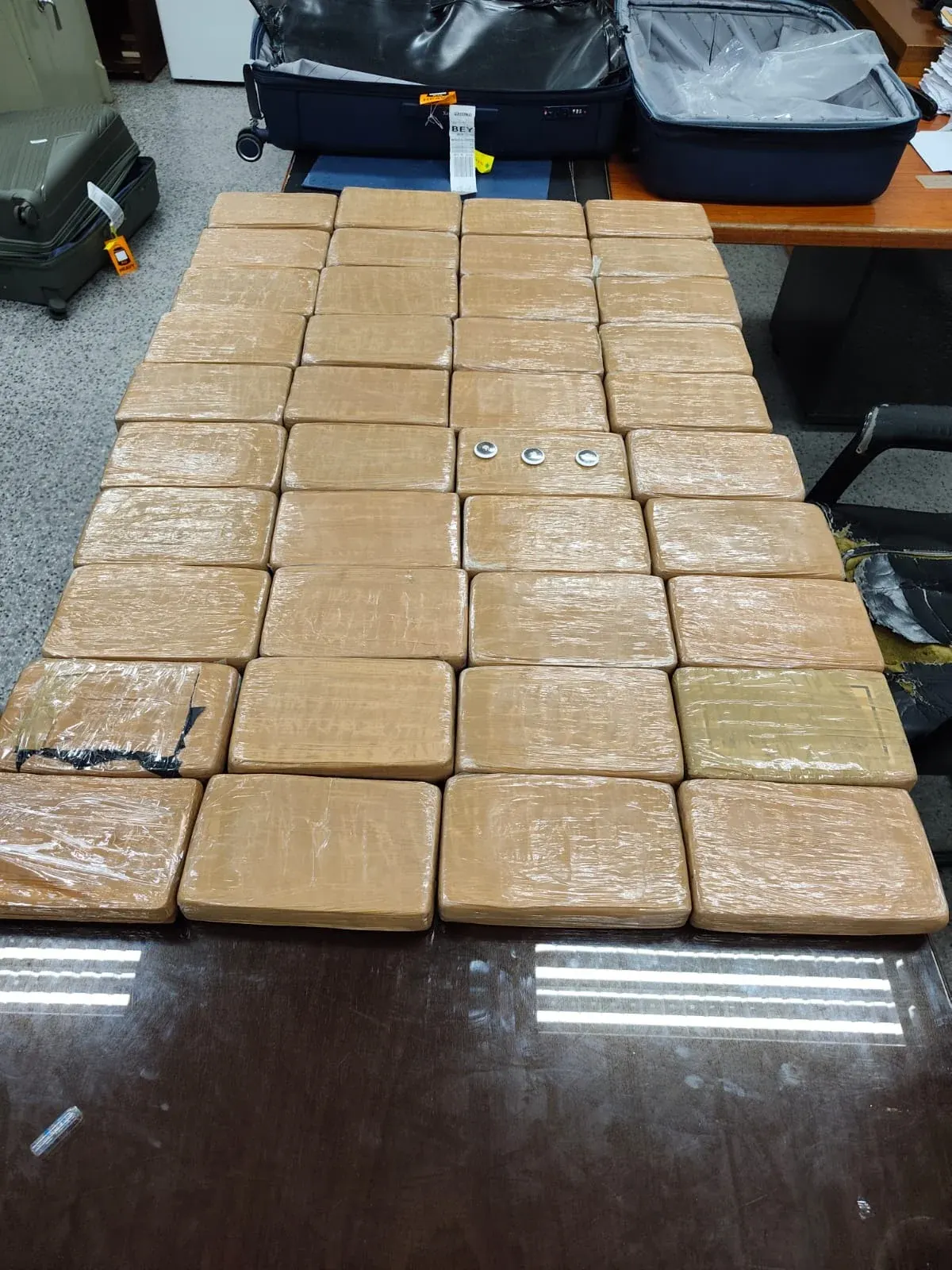
Kumadoe's remarks, made on Channel One TV, follow a significant drug seizure that highlighted Ghana's growing role in international counter-narcotics efforts. A Syrian passenger, identified only as B.H., was arrested in Lebanon after 46.7 kilogrammes of cocaine were found in his luggage. The suspect had boarded a Middle East Airlines flight from Accra to Beirut, making Kotoka International Airport his point of departure.
According to Kumadoe, the arrest was not a matter of chance. It was the result of a controlled delivery operation — a law enforcement technique in which suspicious consignments are allowed to proceed under close surveillance, enabling authorities to track the package and identify a wider network of suspects rather than making an immediate seizure that could alert others in the chain.
"If you use our territory or our environment, here will become very hostile to you in such a way that we either get you arrested here or we will send you with a package away with a tip-off so that you'll be arrested in wherever you are going as your final destination," Kumadoe said.
Why it matters for Ghana
Ghana has for years faced international scrutiny over its vulnerability to drug trafficking. The country's relatively open ports, busy international airport, and position as a stable West African hub have made it attractive to trafficking networks seeking a convenient transit route between South America and Europe or the Middle East.
The West African sub-region as a whole has been identified by bodies such as the United Nations Office on Drugs and Crime (UNODC) as a significant corridor for cocaine and other narcotics. Countries in the region, including Ghana, risk reputational damage, increased crime, and domestic drug abuse problems when trafficking networks entrench themselves.
The controlled delivery approach described by Kumadoe marks a shift in strategy — from reactive seizures at ports and airports towards proactive, intelligence-led operations that aim to dismantle entire networks. This is significant because seizing a single shipment, while impactful, does little to disrupt the broader criminal infrastructure if key players remain free.
Kumadoe stressed that Ghanaian security agencies are working closely with international counterparts — as demonstrated by the coordination between Ghanaian and Lebanese authorities in the Beirut case — and that investment in advanced screening technology at entry and exit points would be essential to sustaining these gains.
What needs to happen next
Analysts have long argued that tackling drug trafficking in Ghana requires more than occasional high-profile busts. Kumadoe echoed this view, emphasising that sustained intelligence sharing, robust inter-agency cooperation, and modern detection equipment are the pillars of an effective counter-narcotics strategy.
- Security agencies must invest in up-to-date screening technology at airports and ports to catch sophisticated concealment methods.
- International partnerships — such as the one with Lebanon that led to B.H.'s arrest — need to be formalised and expanded to cover more destination countries.
- Domestic legal frameworks should support controlled delivery operations, giving law enforcement the authority to monitor suspicious shipments without premature interception.
For ordinary Ghanaians, the broader stakes are clear. A reputation as a drug transit state carries economic consequences, including tighter scrutiny of Ghanaian travellers abroad and potential diplomatic friction. A credible, results-driven enforcement posture — backed by international cooperation — is therefore as much an economic and diplomatic priority as it is a security one.
Source: MyJoyOnline



Comments (0)
Be the first to comment.