Minority Leader Demands Probe into Cocaine Trafficking After Speaker Rejects Investigation Motion

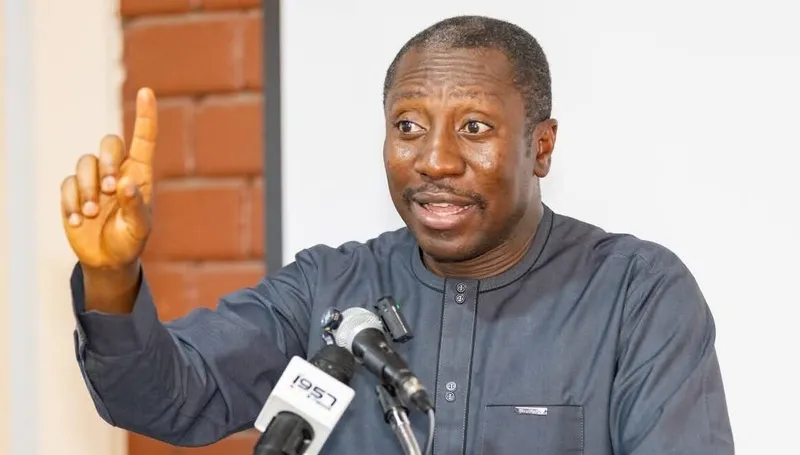
Ghana's Minority Leader has intensified calls for a parliamentary investigation into recent cocaine seizures, pledging that the opposition will not abandon its push for accountability after the Speaker rejected a motion to probe the matter.
The statement comes amid growing concern about large-scale drug trafficking operations detected within the country. The Minority Leader's frustration centres on what he characterises as inadequate government response and insufficient parliamentary scrutiny of the seizures and their implications for Ghana's security and international standing.
The Motion and Parliamentary Pushback
The Minority tabled a motion requesting a comprehensive investigation into the circumstances surrounding recent cocaine discoveries, likely seeking to establish how such large quantities entered Ghana, identify any officials involved, and examine gaps in border security and law enforcement protocols. However, the Speaker's decision to dismiss the motion has drawn sharp criticism from opposition benches.
The Minority Leader's rhetorical comparison of Ghana's economy to drug trafficking reflects deep frustration with what the opposition views as government complacency. The statement suggests the opposition believes the administration is either unwilling or unable to take the issue seriously enough to warrant parliamentary debate and investigation.
Why It Matters for Ghana
Drug trafficking poses significant risks to Ghana's reputation, security apparatus, and international relationships. Large cocaine busts indicate Ghana may be increasingly used as a transhipment route for drugs destined for Europe and other markets—a role that attracts powerful criminal networks and potentially corrupts state institutions.
When parliamentary oversight of such serious matters is perceived as weak or obstructed, it raises questions about government accountability and the effectiveness of Ghana's checks and balances. For ordinary Ghanaians, it suggests that systemic vulnerabilities in law enforcement and border control may persist unchecked.
The opposition's determination to keep the issue alive indicates this will likely become a recurring feature of parliamentary debate, with potential implications for the government's credibility on security and governance issues heading into broader political discourse.
What Happens Next
Although the Speaker's rejection technically closes the door on an immediate formal inquiry, the Minority's vow to continue pursuing the matter suggests alternative strategies may emerge—including parliamentary questions, petitions, or public campaigns to maintain pressure on the administration.
The standoff also highlights deeper tensions between government and opposition over transparency and the functioning of Ghana's democratic institutions. How this plays out will be closely watched by civil society organisations and international observers monitoring Ghana's governance standards.
Source: 3News


Comments (0)
Be the first to comment.