Ntim Fordjour claims vindication as major cocaine seizure linked to Ghana raises fresh questions

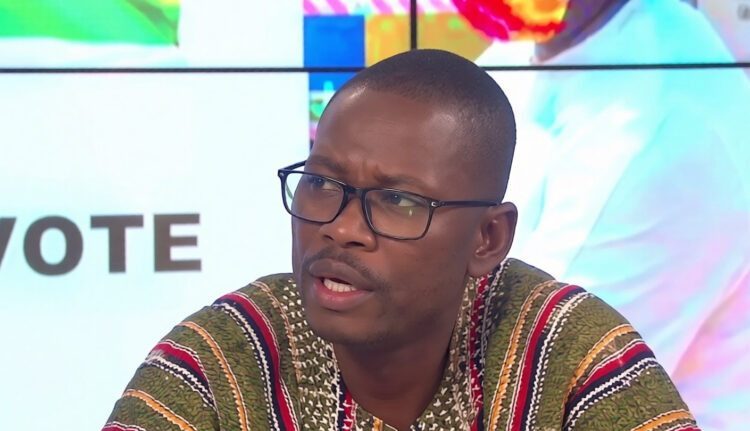
Rev. John Ntim Fordjour, Ranking Member of Parliament's Defence and Interior Committee, has renewed calls for accountability over Ghana's role in international drug trafficking, pointing to a major cocaine seizure in France as evidence that his earlier warnings deserved serious investigation rather than government dismissal and attempted arrest.
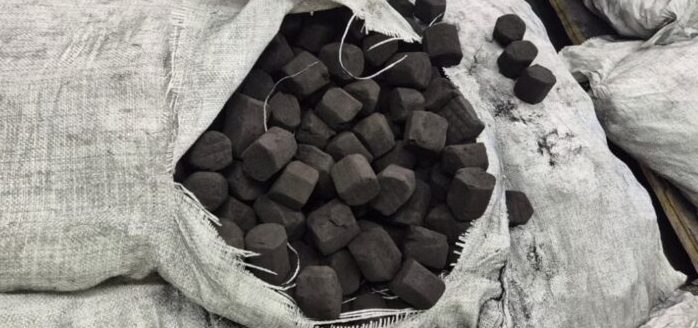
The Assin South MP made his position clear following the discovery of nearly 3.9 tonnes of cocaine by French customs officials at the port of Dunkirk in a container shipped from Ghana. He argues this seizure validates his concerns about Ghana's vulnerability to being used as a transit point for international narcotics networks.
The controversy: From warning to attempted arrest
In April 2025, Rev. Fordjour flagged concerns about two aircraft that had landed at Kotoka International Airport, alleging they might have been used to transport cocaine or large sums of cash. The government and Ghana Airports Company Limited rejected his allegations outright, with airport authorities stating that security checks revealed no evidence of illegal substances on either aircraft.
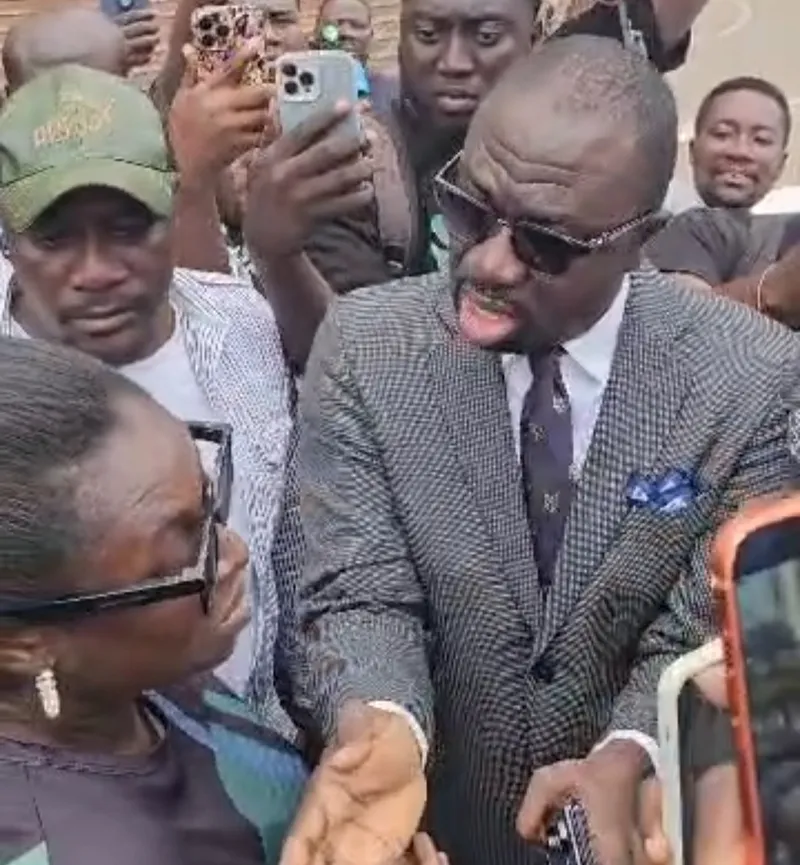
The situation escalated dramatically on 9 April 2025 when National Intelligence Bureau operatives appeared at his Accra residence in an apparent attempt to arrest him. The move was thwarted when fellow Minority MPs and NPP officials gathered at the house to oppose the operation, forcing the operatives to withdraw without making an arrest.
Rev. Fordjour's account suggests that instead of investigating his allegations, the government chose to intimidate the messenger. This approach, he argues, represents a troubling pattern where legitimate concerns about Ghana's security are treated as political attacks rather than serious national security matters requiring investigation.
Why this matters for Ghana
Ghana has increasingly become a focal point in international drug trafficking networks, serving as a transit hub for narcotics destined for Europe and beyond. The Dunkirk seizure is far from an isolated incident; Ghana's ports, airports and borders have featured in numerous major drug busts in recent years, exposing vulnerabilities in security infrastructure and regulatory oversight.
The incident highlights a critical tension between political accountability and national security. When lawmakers raise trafficking concerns and face dismissal followed by apparent intimidation, it sends a troubling signal: that questioning official narratives on drug trafficking may invite government retaliation. This dynamic can discourage genuine oversight and embolden criminal networks that rely on institutional blind spots.
For ordinary Ghanaians, the implications are significant. Large-scale drug trafficking through Ghana creates spillover effects including increased local drug abuse, destabilisation of communities, and damage to Ghana's international reputation. It also ties up law enforcement resources and invites heightened scrutiny from international partners, affecting everything from trade relationships to visa policies.
Furthermore, the government's response—rejecting allegations and then apparently targeting the MP—raises questions about whether officials were motivated by genuine security assessments or political considerations. Independent, merit-based investigation of trafficking concerns is essential for effective counternarcotics work.
Questions left unanswered
While Rev. Fordjour links his April warnings to the Dunkirk seizure, it remains unclear whether the two aircraft he flagged were connected to the container shipment discovered in France. Nevertheless, his broader point stands: Ghana faces real and documented challenges with drug trafficking, and dismissing warnings without proper investigation leaves the country exposed.
The government now faces pressure to provide transparent answers about what security checks were actually performed on those aircraft, who authorised their movements, and whether investigation protocols have been strengthened since. Parliament's Defence and Interior Committee should demand comprehensive briefings on Ghana's counternarcotics coordination and the circumstances surrounding the attempted arrest of one of its own members.
Source: MyJoyOnline
Comments (0)
Be the first to comment.