Ghana, Netherlands unite against drug trafficking in landmark security pact
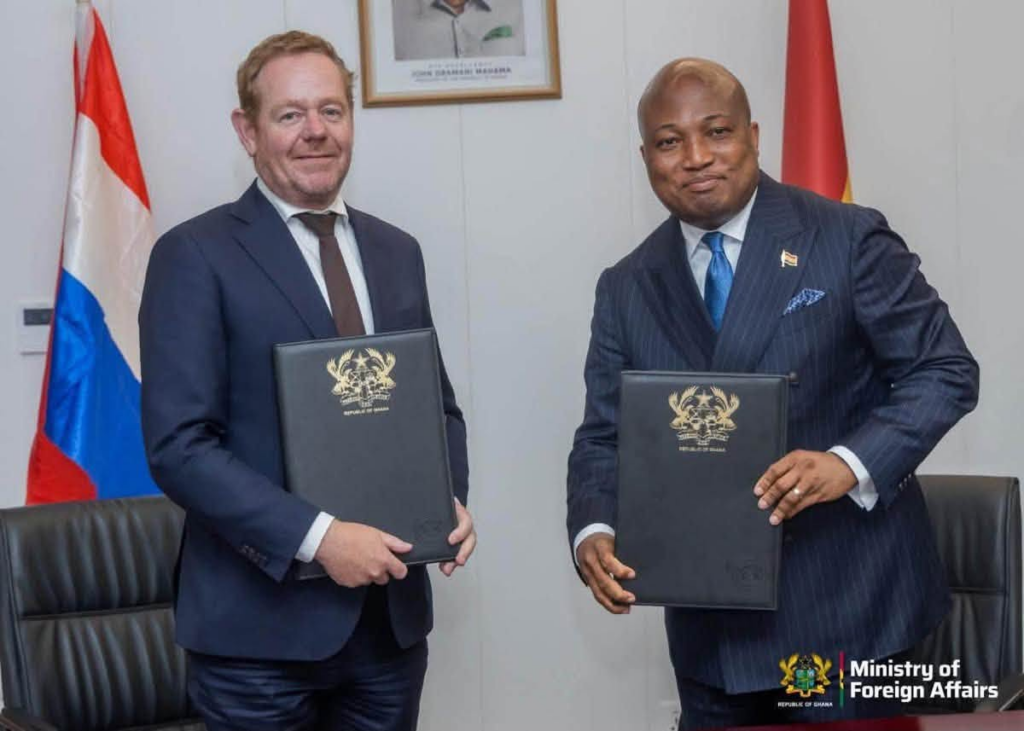
Ghana has formalised a major security partnership with the Kingdom of the Netherlands aimed at dismantling the criminal networks fuelling drug trafficking between the two nations. Foreign Affairs Minister Samuel Okudzeto Ablakwa signed the special Letter of Intent with Dutch Minister of Justice and Security D.M. Van Weel during an official visit, marking a significant commitment to international cooperation on narcotics control.
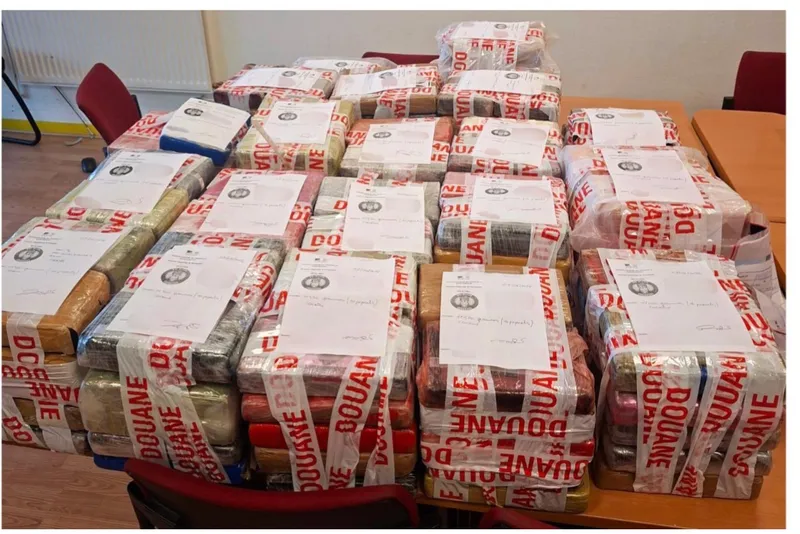
The agreement represents a strengthened response to what officials describe as an escalating crisis. Illicit drug markets have become increasingly destabilising, with trafficking networks using Ghana and regional routes as transit points for cocaine, synthetic drugs and proceeds from illegal sales. The pact specifically targets the dismantling of these criminal organisations and the disruption of drug flows between Ghana and Europe.
Building on the Accra Call to Action
This bilateral arrangement builds on the Accra Call to Action, a framework through which Ghana has positioned itself as a leader in global drug policy. According to Ablakwa, the partnership underscores both nations' commitment to providing international leadership on what has become one of the most pressing public health and security challenges of our time.
The minister highlighted the devastating impact of illicit drugs on Ghanaian society. Beyond the direct harm to users, drug trafficking undermines the rule of law, destabilises communities, weakens governance institutions and violates human rights. Young people are identified as particularly vulnerable, with addiction and involvement in drug economies derailing futures and perpetuating cycles of poverty and crime.
Why this matters for Ghana
Ghana occupies a critical position in West African drug trafficking routes. The country's ports, borders and geographic location have made it an attractive transit hub for international criminal syndicates moving cocaine from South America and synthetic drugs from Asia towards European markets. This exposure brings significant security risks: increased gang violence, police corruption, money laundering and the destabilisation of communities.
The Netherlands, as a major destination and transshipment point for drugs entering Europe, shares a direct interest in disrupting these networks. Dutch expertise in counter-narcotics operations, intelligence-sharing and financial crime investigation can strengthen Ghana's institutional capacity. Conversely, Ghana's cooperation provides European partners with crucial on-ground intelligence and enforcement capabilities.
This pact signals that Ghana is taking the drug crisis seriously at the highest diplomatic level. It also potentially opens pathways for technical assistance, training and resource-sharing that could enhance Ghana's law enforcement agencies' effectiveness. Stronger border controls, improved intelligence networks and coordinated arrests of major traffickers could follow.
Next steps and broader implications
While the Letter of Intent establishes the framework, implementation will be key. Success depends on sustained political will, adequate funding and the willingness of both nations' security agencies to prioritise drug enforcement. Corruption remains a significant obstacle in Ghana's fight against trafficking, so accountability mechanisms will be essential.
The agreement also reflects Ghana's broader strategy of positioning itself as a responsible actor on continental and global security issues. By partnering with developed nations on shared threats, Ghana strengthens its diplomatic standing whilst addressing internal security challenges that directly affect citizens' safety and wellbeing.
Ablakwa's emphasis on protecting communities and securing a safer future for young people captures the human stakes of this partnership. Beyond statistics and international relations, the pact is ultimately about preventing addiction, keeping young Ghanaians away from criminal networks and dismantling the systems that profit from human suffering.
Source: MyJoyOnline
Comments (0)
Be the first to comment.