Ghana's Catholic Bishops Call for Urgent Crackdown on Drug Trafficking Networks Amid Major Cocaine Seizure
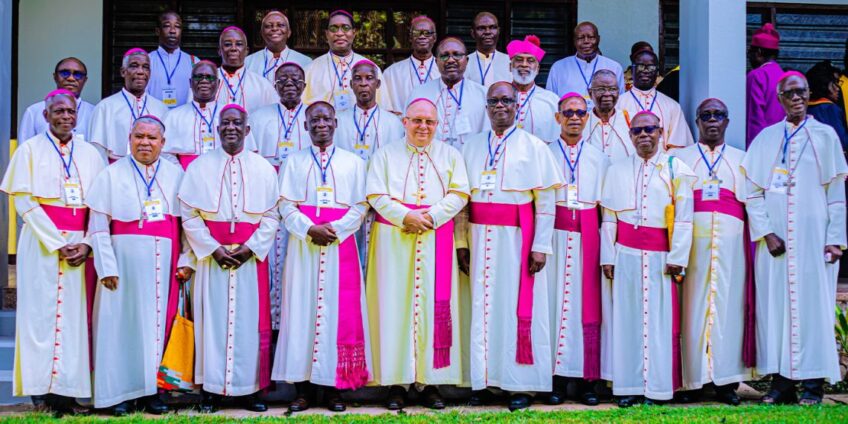
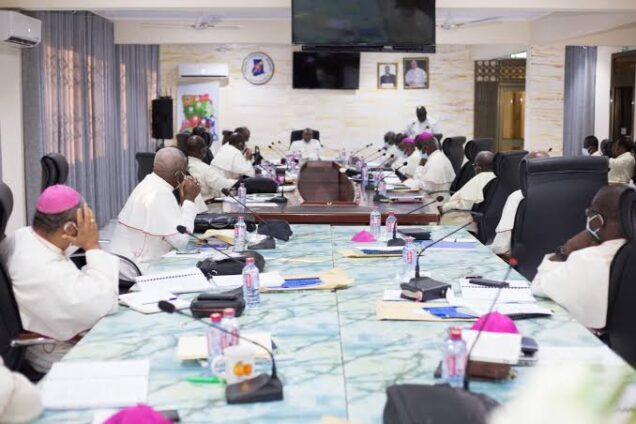
Ghana's Catholic Bishops' Conference has thrown its weight behind President John Dramani Mahama's newly established inter-agency task force designed to combat the flow of narcotics through the country's ports, airports and borders, signalling deep religious concern about the nation's vulnerability to drug trafficking operations.
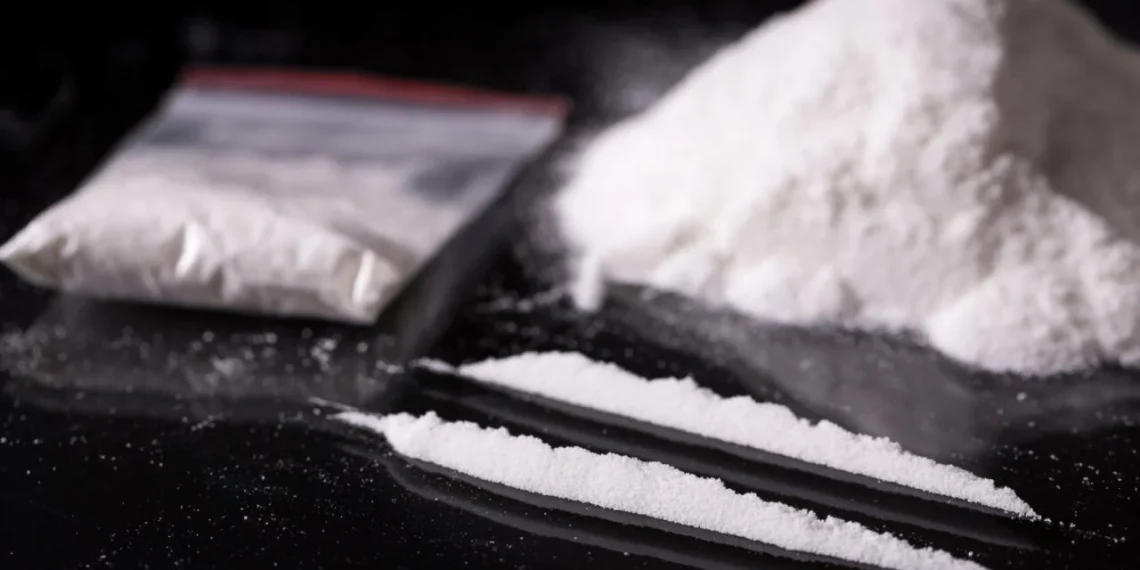
The endorsement comes after French authorities seized nearly 3.9 tonnes of cocaine concealed within a shipment of plastic waste allegedly originating from Ghana—a seizure that has exposed serious vulnerabilities in the country's cargo screening and regulatory oversight systems.
A Moral and Security Crisis
The Bishops have characterised illicit drug trafficking and abuse as both a profound moral crisis and a national security threat, urging sustained coordination between government institutions and international partners. Their statement emphasises that the Dunkirk seizure represents just one visible symptom of a much broader trafficking challenge affecting Ghana, with previous narcotics interceptions demonstrating an ongoing pattern.
Importantly, the Conference has raised alarm about alleged involvement of individuals in positions of public trust—including government officials and some church members—in facilitating drug movements. This insider complicity represents a particularly troubling dimension, suggesting that corruption within institutions may be enabling smugglers to exploit legitimate commercial channels.
Why It Matters for Ghana
Ghana faces intensifying pressure as international drug cartels increasingly use West African nations as transit hubs to move narcotics destined for European and North American markets. The Dunkirk seizure carries significant diplomatic and reputational consequences, potentially affecting Ghana's trade relationships and international standing. More critically, drug trafficking fuels local organised crime, gang violence and substance abuse epidemics that strain healthcare and law enforcement resources.
The Bishops' intervention highlights religious institutions' role in holding both government and private sector accountable. Their call for investigation beyond low-level couriers to target financiers and principal traffickers identifies a persistent investigative gap: prosecutorial systems often target expendable operatives whilst kingpins escape accountability. This pattern weakens national response effectiveness and fails to dismantle actual trafficking infrastructure.
Strengthening Oversight and Investigation
The Conference has specifically demanded:
- Thorough investigation into how such a large cocaine consignment allegedly passed through Ghana's legitimate export channels undetected
- Enhanced surveillance and accountability mechanisms at ports, airports and borders to prevent future breaches
- Sustained cooperation between Ghanaian and French authorities to trace the complete trafficking network behind the seizure
- Prosecutorial focus on financiers and organisers rather than merely couriers
The Bishops' statement represents a significant moment of institutional pressure on government to demonstrate competence and integrity in drug enforcement. Their emphasis on investigating public officials and church members involved in trafficking reflects awareness that the problem cannot be solved through border operations alone—institutional reform and corruption accountability are essential.
The NACOC and other state agencies have received commendation for existing efforts, but the Conference's careful framing suggests their work, whilst appreciated, remains insufficient without stronger inter-agency coordination and higher-level political commitment to pursuing major traffickers rather than street-level suspects.
Source: Today GH


Comments (0)
Be the first to comment.