NACOC Deputy Director Admits Major Gaps in Fight Against Drug Trafficking, Vows Overhaul
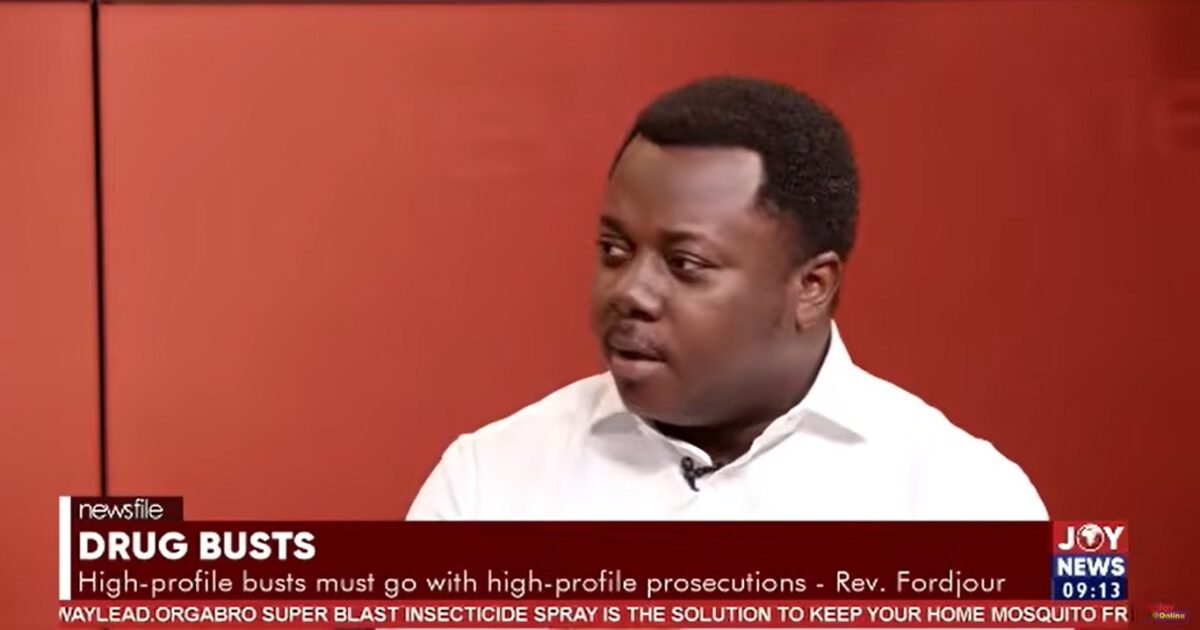
Ghana's Narcotics Control Commission (NACOC) is confronting significant operational deficiencies that have weakened the country's drug enforcement apparatus, according to Deputy Director-General Elexander Twum-Barimah. Speaking on JoyNews Newsfile on Saturday, 25 September, Twum-Barimah acknowledged that the commission inherited substantial institutional gaps during his nearly two years in office, but stopped short of detailing specific vulnerabilities or remedial measures.
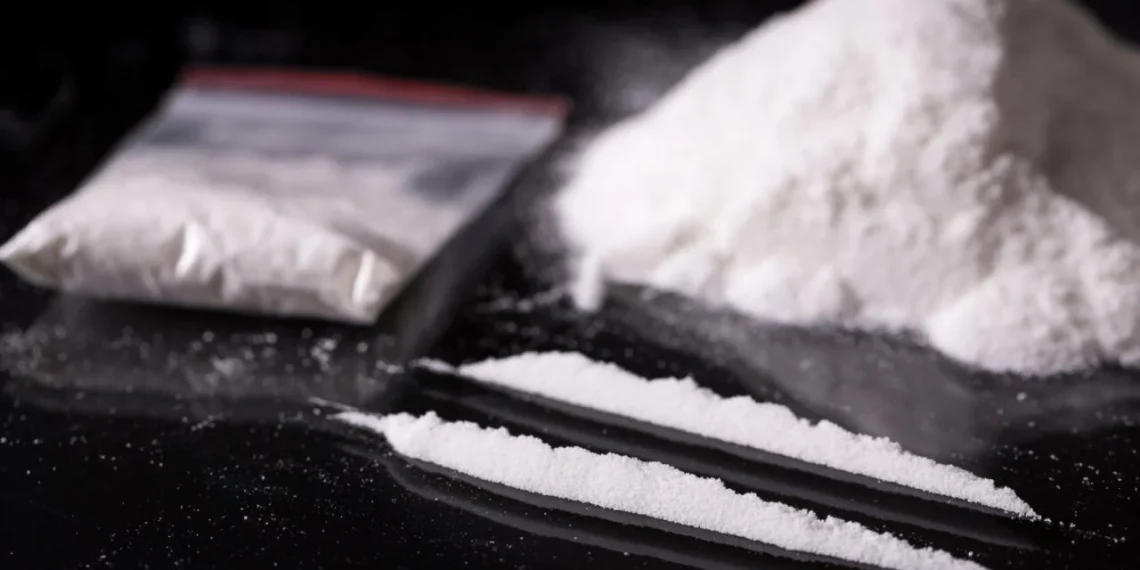
The admission comes at a critical moment for Ghana's international reputation on drug control. In a major embarrassment, French customs seized approximately 3.9 tonnes of cocaine at Dunkirk port that had been concealed in a shipping container originating from Ghana. The seizure underscores how traffickers are exploiting Ghanaian ports to move narcotics through West Africa into European markets.
The Scale of Institutional Decay
Twum-Barimah's candid assessment that NACOC had been rendered "redundant and more or less useless" by poor management in previous administrations suggests the commission faces deeper problems than simple resource constraints. His comments indicate that prior institutional leadership allowed systems and protocols to deteriorate significantly, leaving Ghana vulnerable to becoming a transit hub for international drug trafficking networks.
The lack of specificity about which gaps exist or how they are being addressed raises questions about transparency. Ghanaians deserve to know whether NACOC lacks adequate intelligence systems, port screening equipment, trained personnel, inter-agency coordination mechanisms, or some combination thereof. Without public clarity, it is difficult to assess whether current remedial efforts are adequate to the scale of the problem.
Why It Matters for Ghana
Drug trafficking poses serious threats to Ghana's national security, public health, and international standing. When narcotics flow through Ghanaian territory and ports, the country becomes complicit in supplying overseas markets, damaging diplomatic relationships and inviting international scrutiny. The Dunkirk seizure is a public-facing embarrassment that attracts unwanted attention to Ghana from law enforcement agencies worldwide.
Moreover, domestic consequences are severe. Trafficking networks corrupt local officials, destabilise communities, fuel violence, and expose Ghana's youth to narcotics. The country's role in the cocaine supply chain to Europe also makes it a target for organised crime, which brings associated criminal activity and danger.
Addressing NACOC's inherited gaps is therefore not merely an institutional housekeeping exercise—it is essential to protecting Ghana's sovereignty, security and reputation. The commission must move quickly from acknowledgement to demonstrable action, with measurable improvements in port security, intelligence gathering, and inter-agency coordination.
The Path Forward
For Ghanaians and the international community to have confidence in NACOC's reform, the commission should publish details of its improvement plans, timelines for implementation, and progress metrics. Vague assurances that steps are being taken ring hollow without transparency. Neighbouring countries such as Côte d'Ivoire and Nigeria face similar trafficking pressures; learning from their approaches and strengthening ECOWAS-level cooperation could also bolster Ghana's defences.
The fight against drug trafficking cannot succeed if NACOC's foundational systems remain compromised. Deputy Director-General Twum-Barimah's acknowledgement is a necessary first step, but Ghana now expects concrete results.
Source: MyJoyOnline

Comments (0)
Be the first to comment.