Ghana to abolish death penalty, replace with life imprisonment under major constitutional reform
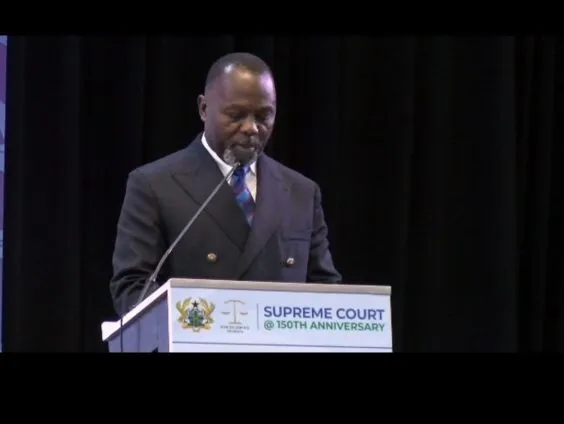
Ghana is set to abolish the death penalty following government acceptance of a key recommendation from the Constitutional Review Committee, Attorney General Dominic Ayine announced at a press briefing. The move will replace capital punishment with life imprisonment for offences that currently carry the death sentence, marking a significant shift in the nation's criminal justice system and human rights framework.
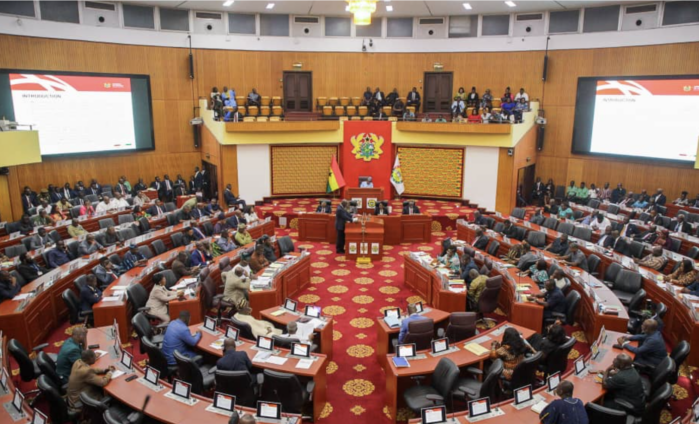
The proposed constitutional amendment will modify Article 13 of the 1992 Constitution, which presently allows for the death penalty in certain circumstances. According to the Attorney General, the reform is already gaining parliamentary momentum, with Member of Parliament for Madina Francis-Xavier Sosu spearheading legislative efforts to effect the change.
Constitutional rationale and international alignment
The government's acceptance of the death penalty abolition stems from the conviction that capital punishment contradicts Ghana's constitutional commitment to protecting the right to life. The Attorney General emphasised that the death penalty conflicts with both Ghana's constitutional protections and its international human rights obligations under United Nations conventions to which the nation is a signatory.
This decision reflects a principle that has been implicit in Ghana's judicial practice for decades. The country has not executed a death sentence since 1993, despite courts continuing to impose capital punishment in certain cases—most of which have subsequently been commuted to life imprisonment. The formal abolition therefore legalises what has effectively become standard practice in the Ghanaian justice system.
Broader human rights expansion
The death penalty reform forms part of a comprehensive overhaul of Ghana's human rights protections. Government has also accepted proposals to introduce a dedicated Human Rights Act that will expand fundamental rights protections beyond those currently guaranteed in the Constitution. The proposed legislation will encompass economic, social and cultural rights, and provide enhanced protections for vulnerable groups including women, children, persons with disabilities, older persons and young people.
The Human Rights Act will elaborate on existing constitutional rights, incorporate Ghana's international covenant obligations, and establish detailed enforcement mechanisms allowing individuals to seek redress at the High Court when their fundamental rights are breached. Notably, the legislation will be protected against casual repeal—any future government seeking to overturn it will require a 75 per cent parliamentary supermajority, preventing easy dismantling of human rights protections.
What this means for Ghana
This constitutional reform positions Ghana as a leader in human rights protection within West Africa and demonstrates commitment to aligning domestic law with international standards. The abolition of the death penalty reflects evolving global consensus that capital punishment is incompatible with modern human rights principles. For Ghanaians, the reforms strengthen legal protections against arbitrary state action and expand the categories of rights enforceable in courts.
The Constitutional Review Committee, chaired by Professor H. Kwesi Prempeh, submitted 206 proposed amendments addressing human rights, governance structures and public accountability systems. The Attorney General characterised constitutional reform as an ongoing process, noting that the Constitution must evolve to reflect each generation's needs and aspirations. With government acceptance of these recommendations, Parliament will now move to formalise the changes through the constitutional amendment process.
Source: MyJoyOnline


Comments (0)
Be the first to comment.