
Ghana Parliament Revives Bid to Criminalise Witch-Hunting Accusations
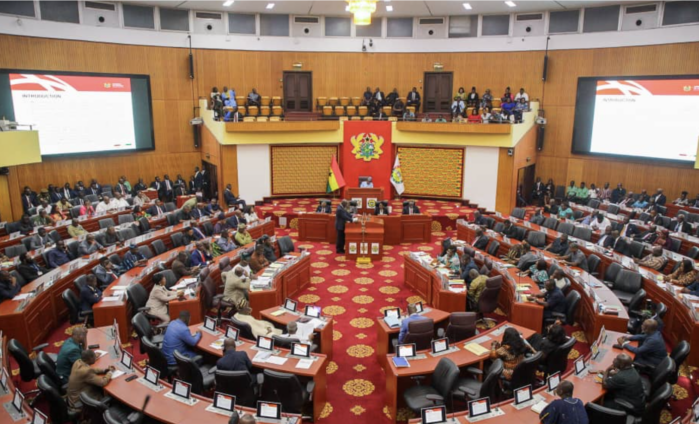

Ghana's Parliament is once again pursuing a contentious piece of legislation aimed at protecting citizens from false witchcraft accusations. Five Members of Parliament have formally reintroduced the Criminal Offences (Amendment) Bill, which would make it illegal for individuals to declare, accuse, name or label another person as a witch.
The reintroduction of this bill signals renewed parliamentary momentum behind one of Ghana's most sensitive social justice issues. Witchcraft accusation remains a persistent problem in parts of Ghana, where individuals—predominantly elderly women—face public humiliation, violence, exile, and in extreme cases, death following unsubstantiated claims.
The Background and Why It Matters for Ghana
Witch-hunting and witchcraft accusations represent a deeply rooted cultural challenge across West Africa, including Ghana. Communities in rural areas have historically subjected accused individuals to severe social consequences based on superstition and rumour rather than evidence. Victims of these accusations often lose their homes, livelihoods, and community standing overnight. Human rights organisations have documented cases where accused witches have been beaten, poisoned, or forced to flee their villages.
The proposed legislation directly addresses this harm by making accusations themselves—rather than the act of witchcraft—the criminal offence. The bill's intent is to deter casual or malicious allegations by imposing legal penalties on those who publicly label someone a witch. This approach recognises that witchcraft beliefs themselves are cultural, but the act of formally accusing someone causes measurable, prosecutable harm.
Ghana has previously attempted similar legislation without success. Earlier efforts to pass comparable bills faced resistance from various quarters, including religious groups with differing perspectives on witchcraft and its reality. The reintroduction suggests lawmakers believe conditions may now be more favourable for passage, or that documented cases of witch-hunt violence have strengthened the moral case for intervention.
Challenges and Implications
The bill faces several practical and philosophical hurdles. Defining precisely what constitutes an illegal accusation versus casual conversation or religious teaching will prove technically complex. Courts would need to distinguish between genuine belief expression and deliberate defamation, a nuanced distinction likely to generate significant litigation.
Furthermore, some communities view witchcraft through a spiritual rather than purely superstitious lens, and they may view criminalisation as government overreach into cultural and religious domains. These tensions must be carefully navigated if the legislation is to gain broad parliamentary and public support.
For Ghanaians concerned with human rights and social protection, particularly vulnerable populations in rural areas, this bill represents an important step toward legal accountability for harm caused by witchcraft accusations. International human rights bodies have increasingly flagged witch-hunting as a serious protection concern in West Africa, and Ghana's move could set a regional precedent.
Next Steps
The reintroduction of the bill begins a new parliamentary cycle of debate and scrutiny. Committee review, stakeholder consultation, and broader parliamentary discussion will follow before any vote. The bill's ultimate success will likely depend on the government's commitment and the ability of sponsors to build cross-party consensus.
Source: 3News


Comments (0)
Be the first to comment.