NPP warns Mahama against cocoa bill, demands wider stakeholder talks before assent
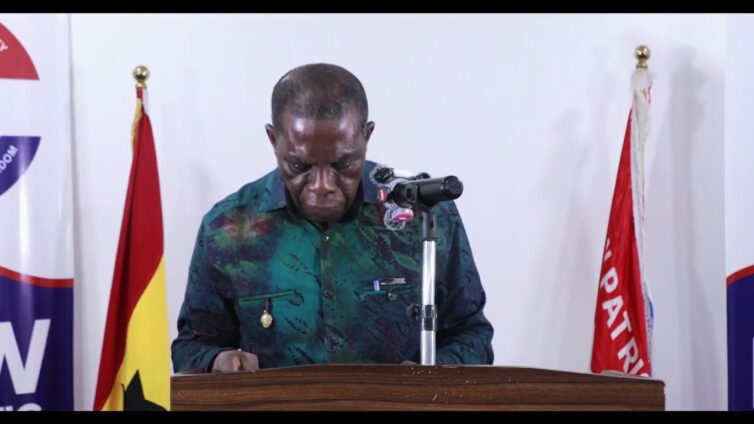
Ghana's opposition New Patriotic Party has launched a strong challenge to the Ghana Cocoa Board Bill, 2026, demanding that President John Mahama reject the legislation and send it back to Parliament for comprehensive stakeholder engagement before it becomes law. The call, made by Dr Isaac Yaw Opoku, the Ranking Member on Parliament's Agriculture Committee and Co-Chairman of the NPP Policy Committee on Agriculture, highlights deep concerns about the rushed legislative process and provisions that could fundamentally reshape how Ghana's vital cocoa sector is governed.
The NPP's objection centres on what party officials describe as a severely compressed parliamentary timeline. The Bill was laid before Parliament on July 28, 2026, and passed within the same week—a schedule the opposition argues provided virtually no opportunity for cocoa farmers, landowners and other industry players to meaningfully weigh in on changes that could have lasting consequences for their livelihoods and the nation's economy.
What the Bill changes
The proposed legislation seeks to repeal the Ghana Cocoa Board Law, 1984 (PNDC Law 81), a foundational statute that has governed the cocoa sector for four decades. The new Bill introduces significant structural changes, including new governance arrangements for the Cocoa Board, the establishment of a tribunal mechanism, and the creation of new criminal offences related to cocoa production and trade. These are not minor technical updates; they represent a fundamental reimagining of institutional oversight in an industry that remains central to Ghana's export earnings and rural employment.
The restrictions on farmer autonomy
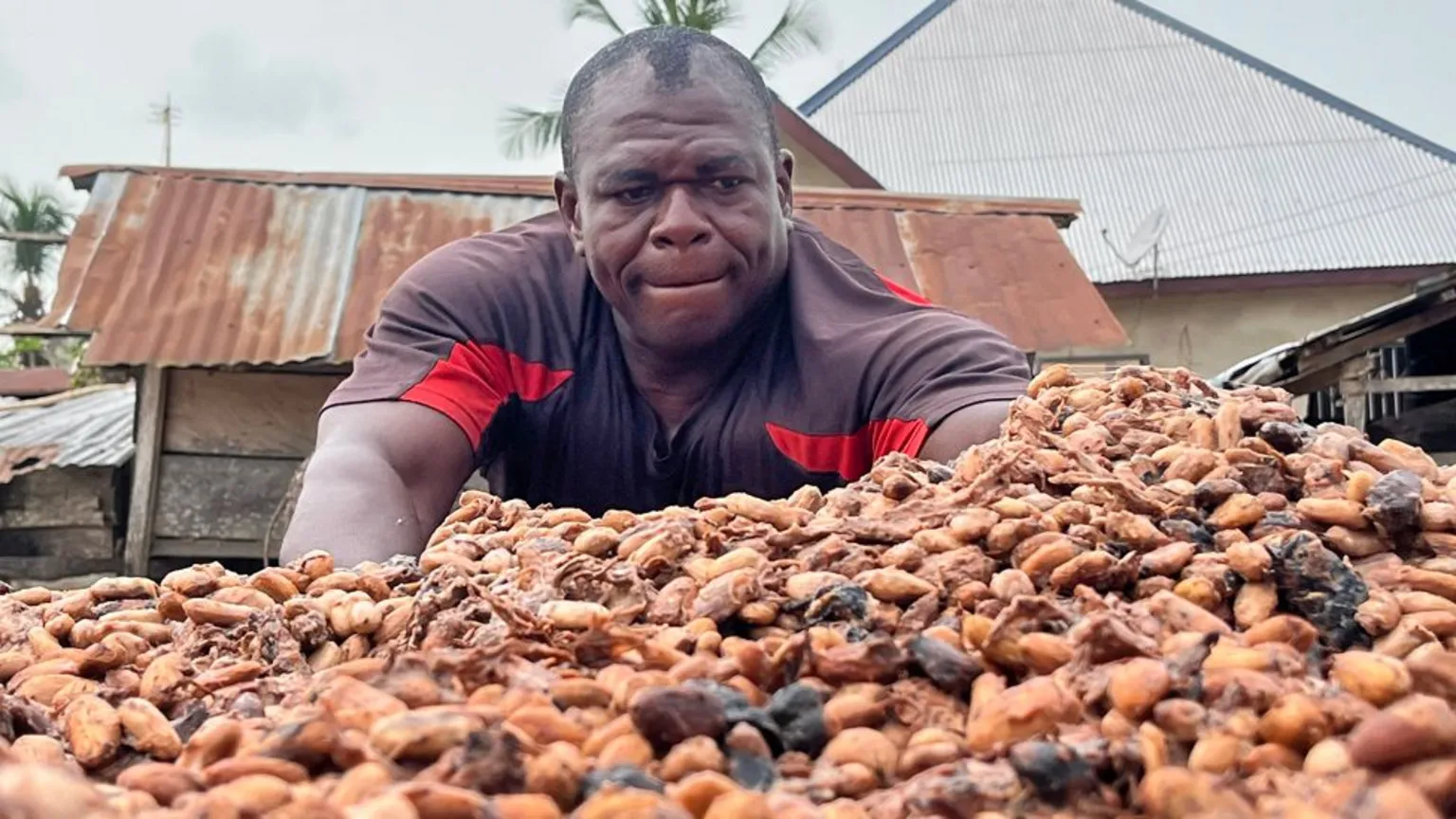
A particular flashpoint for the NPP is a provision that requires farmers to obtain prior authorisation from the Ghana Cocoa Board before destroying or uprooting cocoa trees on their own land. Dr Opoku argued this requirement undermines basic farm management rights and could expose farmers to legal sanctions for removing trees they deem diseased, unproductive or unsuitable for continued cultivation.
The restriction raises practical questions that resonate with rural constituencies: why should a farmer need permission from a government body to remove a dead or diseased tree from their own plot? The NPP suggests the provision is overly prescriptive and fails to account for the realities of agricultural stewardship.
Why it matters for Ghana
Ghana's cocoa sector is not merely a commercial enterprise—it is the backbone of rural livelihoods for hundreds of thousands of farming families and a cornerstone of national revenue. Any legislation that reshapes governance or constrains farmer decision-making in this sector carries enormous weight. The NPP's insistence on broader consultation reflects a legitimate concern: laws that are perceived as imposed rather than negotiated risk farmer resentment and potential non-compliance, undermining their effectiveness.
The controversy also touches on broader questions of legislative process in Ghana's democracy. Parliament's ability to pass significant sectoral legislation in a matter of days, with minimal stakeholder input, raises questions about the quality of deliberation and the extent to which affected communities have voice in decisions affecting them. The cocoa farmers themselves—the people most directly impacted—apparently had little opportunity to formally engage with lawmakers before the Bill was passed.
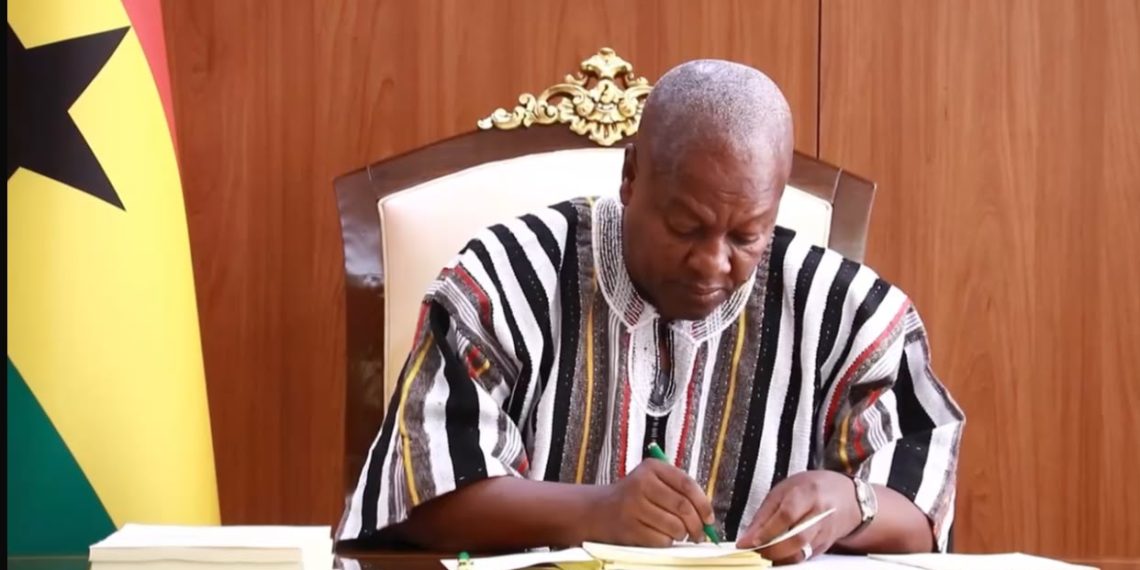
The NPP is calling on President Mahama to withhold his assent, send the Bill back to Parliament, and insist on a more inclusive process that brings farmers, exporters, traditional authorities and other stakeholders to the table. The party warns that failure to do so could create long-term friction in the industry and leave the government vulnerable to criticism that it prioritised speed over substance on a matter of profound national importance.
Source: The Ghana Report


Comments (0)
Be the first to comment.