
Ghana trains traditional rulers and officials to boost customary justice delivery


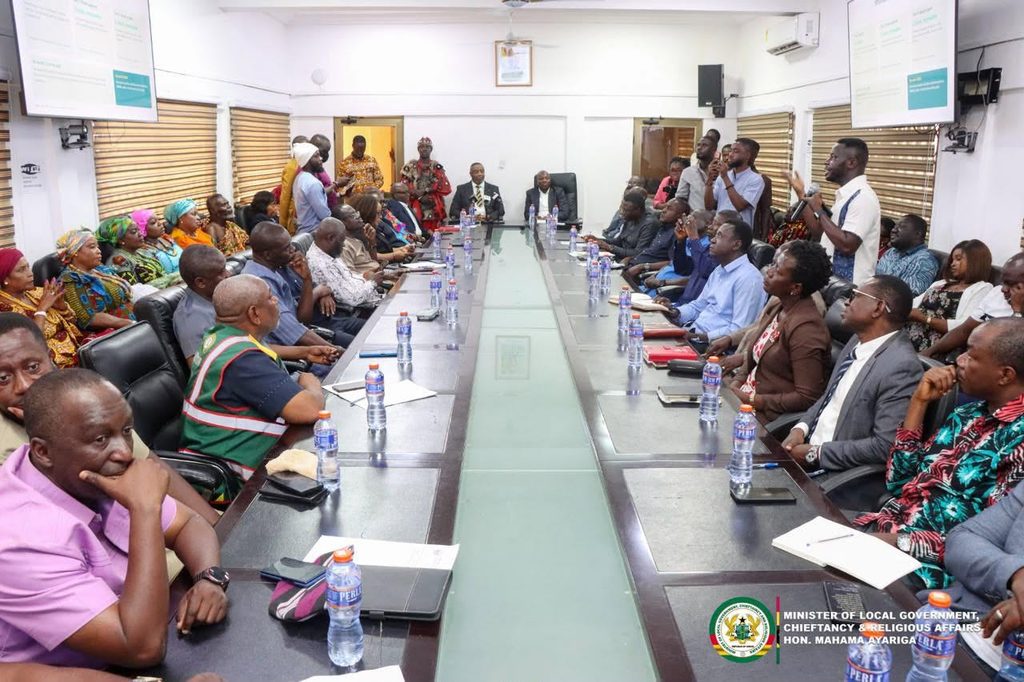
Ghana's government is investing in the capacity of traditional leaders and administrative officials to improve justice delivery within customary governance systems. A significant training workshop held at the Institute of Local Government Studies in Madina brought together chiefs and chieftaincy registrars to enhance their understanding of fairness, transparency and rule of law in traditional dispute resolution.
The initiative, officially launched by Rita Naa Odoley Sowah, Deputy Minister for Local Government, Chieftaincy and Religious Affairs, reflects government commitment to strengthening traditional institutions that remain vital to community life across Ghana.
Bridging gaps in traditional justice systems
Traditional governance structures handle a significant portion of civil and minor criminal disputes in Ghanaian communities, particularly in rural areas where access to formal courts is limited. These customary systems, managed by chiefs and elders, offer faster resolution and are deeply rooted in cultural practices. However, inconsistent application of principles and varying standards across different jurisdictions can undermine public confidence.
The training programme aims to equip chiefs and registrars with knowledge on:
- Best practices in dispute resolution and mediation within traditional settings
- Proper documentation and record-keeping of customary cases
- Alignment of traditional justice processes with constitutional principles
- Gender sensitivity and protection of vulnerable persons in chieftaincy matters
Why it matters for Ghana
Traditional authorities remain cornerstones of local governance and social cohesion in Ghana. The chieftaincy institution commands respect across communities and handles matters ranging from land disputes to family conflicts. Strengthening their capacity directly impacts access to justice for millions of Ghanaians who rely on customary systems.
This training underscores recognition that improving traditional justice is not about undermining formal courts but rather creating a complementary system that serves rural and underserved populations efficiently. With proper training, chiefs and registrars can ensure consistency, fairness and adherence to Ghana's constitutional standards while preserving cultural legitimacy.
The initiative also addresses documented concerns about procedural fairness and vulnerability protection in traditional dispute resolution. Enhanced training ensures that marginalised groups—particularly women and youth—receive equitable treatment and that decisions reflect both cultural wisdom and fundamental rights principles.
Broader governance strengthening agenda
This workshop forms part of a wider government effort to modernise local governance institutions without eroding their cultural authenticity. Initiatives like this complement reforms in formal justice administration and reflect an integrated approach to rule of law in Ghana.
The involvement of the Deputy Minister signals high-level commitment and suggests government may scale the training to more chiefs and officials nationwide. Such programmes require sustained funding and institutional support to achieve meaningful, lasting impact on justice delivery across traditional governance systems.
Source: 3News



Comments (0)
Be the first to comment.