Supreme Court Judicial Appointments Require Highest Presidential Scrutiny, Says Legal Expert
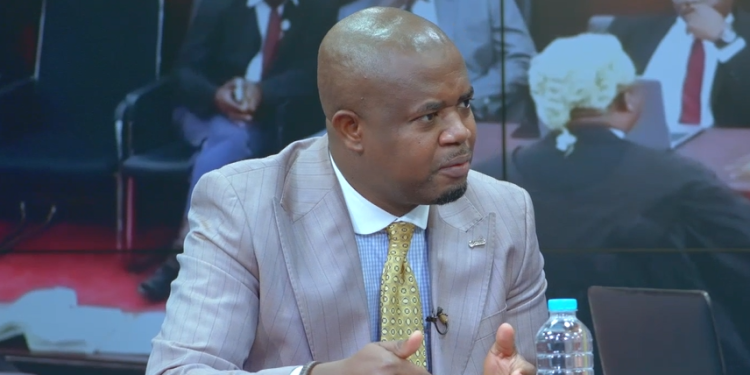
Judicial appointments represent one of the most consequential decisions any head of state can make, with far-reaching implications that extend well beyond a president's tenure in office. Legal experts and constitutional scholars are emphasising that Supreme Court nominations demand an exceptionally high level of scrutiny and public accountability.
The rationale behind this position is straightforward: while many executive decisions affect policy for a few years, judicial appointments—particularly those to the Supreme Court—shape constitutional interpretation and legal precedent for decades. Judges appointed today may serve for 20, 30 or even 40 years, influencing landmark rulings on fundamental rights, governance structures, and national development long after the appointing president has left office.
The Long Shadow of Judicial Decisions
Unlike cabinet ministers or other officials who can be replaced at will, Supreme Court justices enjoy tenure protections that insulate them from political pressure. This independence is intentional and important for the rule of law, but it also means that presidential choices in judicial appointments carry exceptional weight. A single appointment can alter the ideological balance of the court and reshape jurisprudence on critical issues affecting millions of citizens.
Ghana's judiciary plays a central role in interpreting the Constitution, adjudicating disputes between branches of government, and protecting fundamental human rights. Decisions on electoral disputes, constitutional amendments, press freedom, and individual liberties all flow from the bench. The composition and philosophy of judges therefore matters profoundly to the nation's democratic health and institutional balance.
Why It Matters for Ghana
Ghana has experienced robust constitutional democracy since 1992, with the Supreme Court serving as a crucial check on executive power. High-profile rulings on electoral petitions, parliamentary procedures, and citizens' rights have demonstrated the court's significance in national governance. As the country navigates future constitutional questions—whether concerning decentralisation, electoral systems, or executive accountability—the judges sitting on the bench will be decisive.
The appointment process therefore merits rigorous public discourse. Civil society organisations, legal professionals, and citizens should scrutinise nominees' judicial philosophy, track record, and independence credentials. Parliamentary confirmation processes, where they exist, should be thorough rather than perfunctory. Media scrutiny of appointments strengthens rather than weakens democratic institutions by ensuring judges reach the bench with broad legitimacy.
This principle applies regardless of which administration makes the appointments. The quality and integrity of Ghana's judicial system depends not on temporary partisan advantage, but on sustained commitment to appointing qualified, independent, and principled judges who will faithfully interpret the Constitution across generations.
Building Institutional Strength
Countries with strong rule of law share a common feature: they treat judicial appointments with exceptional seriousness. Nominees are expected to articulate their judicial philosophy, their approach to constitutional interpretation, and their commitment to impartiality. Public hearings allow citizens and lawmakers to assess character and competence before confirmation.
For Ghana, maintaining and strengthening the judiciary's independence and integrity should transcend partisan politics. Every generation of leaders faces the temptation to appoint judges who will favour their preferred outcomes. Resisting that temptation—and establishing norms that make it socially and politically costly—requires conscious effort from civil society, the legal profession, and the public itself.
The broader principle is clear: judicial appointments are not routine personnel matters. They are foundational decisions that ripple through decades of national life, touching every citizen's encounter with the law. They therefore warrant the highest level of presidential deliberation and public oversight.
Source: 3News

Comments (0)
Be the first to comment.