
Ghana's Courts in Crisis: Lawyer Exposes 50+ Vacancies as Justice System Struggles with Infrastructure Collapse


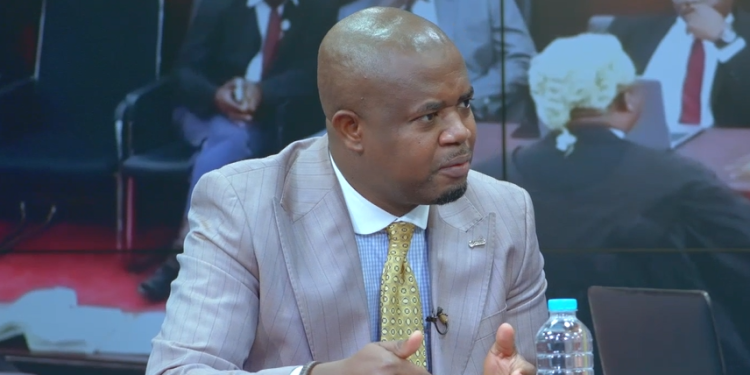
Ghana's judicial system faces a severe crisis with more than 50 courts operating without judges, according to a prominent lawyer who has called for urgent intervention to address systemic failings that threaten access to justice across the country.
The lawyer's stark revelation comes amid growing concerns about the pace of justice delivery in Ghana, where delays and case backlogs have become endemic. Rather than a shortage of courthouses, the real problem lies deeper: inadequate physical infrastructure, critically low numbers of judicial personnel, and insufficient logistics to support court operations.
The Scale of the Judicial Shortfall
The absence of judges in over 50 courts represents a systemic breakdown that directly impacts Ghanaians seeking redress. When courts lack judicial officers, cases pile up indefinitely, leaving litigants in limbo and undermining faith in the rule of law. This is particularly damaging in a society where access to justice is already challenging for rural and economically disadvantaged communities.
The shortage is not merely a staffing inconvenience—it reflects a broader institutional failure to resource the judiciary adequately. Courts require functioning facilities, adequate courtroom space, secure evidence storage, and supporting staff. Many courts across Ghana lack basic amenities, making it difficult for judges, lawyers, and court staff to perform their duties efficiently.
Infrastructure and Logistics: The Hidden Crisis
Beyond judicial vacancies, Ghana's courts grapple with decaying infrastructure and inadequate support systems. Dilapidated courtrooms, unreliable utilities, and insufficient materials for record-keeping compound delays in case resolution. In some instances, courts lack reliable transportation for staff, secure facilities for witnesses, or even basic sanitation.
These logistical failures create a domino effect: delayed hearings, lost files, rescheduled cases, and prolonged uncertainty for justice seekers. The resulting backlog not only frustrates the public but also strains the limited judicial workforce, leading to burnout and attrition among judges and court staff.
Why It Matters for Ghana
A justice system in disrepair threatens Ghana's democratic institutions and economic development. Investors hesitate when contract disputes cannot be resolved timeously. Criminal justice suffers when accused persons remain in custody awaiting trial for months or years. Family law cases—divorces, child custody, inheritance disputes—leave vulnerable populations in prolonged distress.
The ripple effects extend to public trust. When citizens lose confidence in the courts, they resort to alternative dispute resolution mechanisms, vigilante justice, or simply abandon legitimate claims. This undermines the rule of law and social cohesion.
Solving this crisis requires a multi-pronged approach: recruiting and training additional judges and court staff, rehabilitating existing court facilities, deploying modern case management technology, and ensuring reliable funding for court operations. Without these investments, Ghana's justice system will continue to fail its citizens, regardless of how many courthouses exist.
The call from this lawyer should prompt urgent action from Parliament, the Judiciary, and the Executive to transform Ghana's courts from symbols of delay into engines of justice.
Source: 3News


Comments (0)
Be the first to comment.