
Ghana's Trade Union Congress rejects plan to revive public tribunals

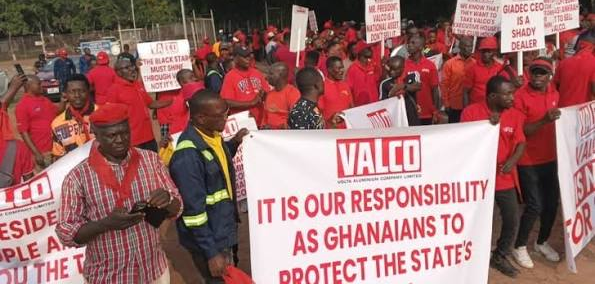
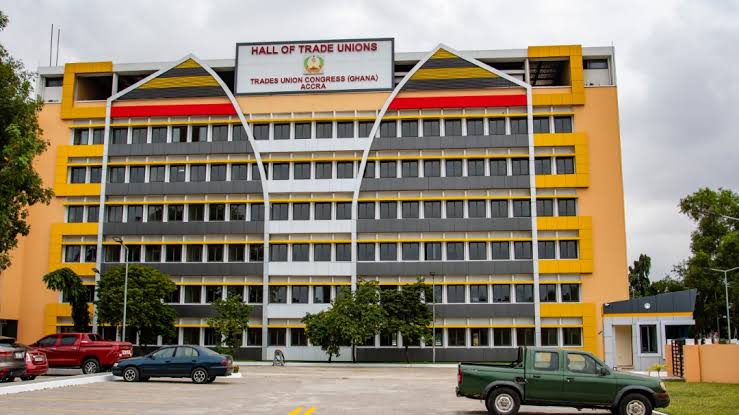
Ghana's Trades Union Congress (TUC) has formally rejected government plans to reintroduce public tribunals, signalling organised labour's firm stance against the proposed legislative shift. The position comes after the union body conducted an extensive review of the draft legislation and consulted with critical stakeholders across the labour and civil society sectors.
The TUC's opposition represents a significant pushback from one of the country's most influential worker advocacy groups at a time when discussions around judicial reform and institutional restructuring remain active in policy circles.
Labour's concerns about tribunal revival
The union's rejection of the public tribunal proposal reflects broader anxieties within Ghana's organised labour movement about workers' rights protections and dispute resolution mechanisms. Public tribunals, which operated in Ghana's past, were specialised courts designed to handle specific categories of cases outside the formal judicial system. The reintroduction of such bodies raises questions about consistency with modern labour standards and international conventions that Ghana has ratified.
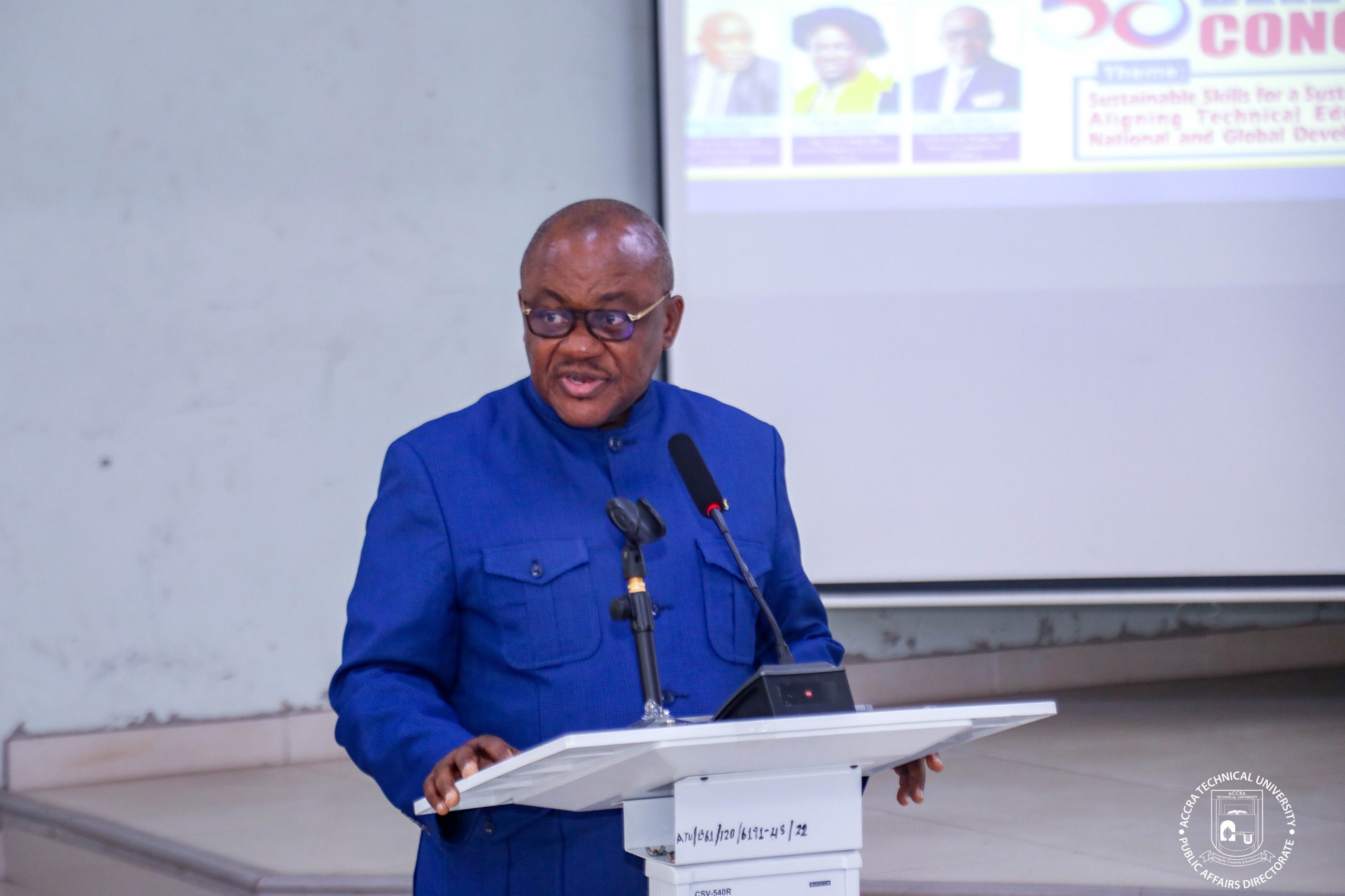
Union leadership, including Mr. Ansah, emphasised that this position was not reached hastily. The TUC stated it had thoroughly examined the legislative framework and consulted extensively with stakeholders before crystallising its opposition. This methodical approach underscores the seriousness with which the labour movement views potential changes to the institutional architecture governing workplace disputes and employment matters.
Why it matters for Ghana
The TUC's stance carries weight in Ghana's policy environment. As an umbrella organisation representing hundreds of thousands of workers across public and private sectors, the congress wields considerable influence in national dialogue on labour and economic policy. Their opposition to the tribunal proposal signals that organised labour views the plan as potentially disadvantageous to worker protections.
This dispute also reflects a broader tension in Ghana's governance landscape: the balance between institutional efficiency and individual rights protection. Tribunals, while potentially speedier than traditional courts, can sometimes operate with less transparency and procedural safeguards. For workers facing employment disputes, access to robust legal protections and appeal mechanisms matters significantly.
The TUC's position will likely influence how civil society, political parties and other stakeholders evaluate the tribunal proposal. In Ghana's increasingly vocal civil society environment, organised labour's opposition could galvanise further scrutiny of the government's plans and force policymakers to address specific concerns before proceeding.
What happens next
The government has not yet indicated whether it will proceed despite the TUC's objection, modify the proposal to address labour concerns, or shelve the initiative. Given the strength of organised labour's voice in Ghana and the potential for industrial action if workers feel their interests are threatened, the government may need to engage further with the TUC and explain the rationale behind the tribunal revival plan.
This standoff also raises questions about broader governance priorities. If public tribunals are being reintroduced, understanding the government's stated objectives—whether efficiency, cost reduction, or specialisation—becomes crucial to evaluating whether they represent genuine improvement or represent a step backward in workers' access to justice.
Source: 3News
Comments (0)
Be the first to comment.