
Ghana's Silent Crisis: Why Men's Mental Health Demands Urgent Action


Ghana faces a mounting mental health crisis among men that remains largely invisible, driven by cultural expectations of stoicism, workplace pressures, and limited access to support services. Unlike discussions around women's health, men's mental wellbeing in Ghana is rarely prioritised in public discourse, yet the consequences—including high rates of substance abuse, suicide, and family breakdown—suggest an urgent need for intervention.
Masculinity, Culture and the Ghanaian Context
In Ghanaian society, traditional definitions of manhood emphasise economic provision, emotional control and physical strength. These cultural ideals, while sometimes protective, can become isolating when men face job loss, illness, or personal crisis. The expectation that men must "handle their own problems" without seeking help creates a environment where vulnerability is seen as failure rather than humanity.
For Ghanaian men, particularly those in rural areas or lower-income communities, mental illness may be misunderstood as spiritual affliction or attributed to witchcraft rather than recognised as a treatable health condition. Young men navigating Ghana's competitive job market face additional stress: unemployment, underemployment and the pressure to succeed abroad create layers of anxiety that often go unaddressed.
Immigrant Ghanaian men working abroad experience their own unique challenges—cultural displacement, discrimination in host countries, and pressure to send remittances home—all whilst managing homesickness and identity conflict. Without culturally sensitive mental health services in diaspora communities, these men often suffer in silence.
Work, Identity and the Cost of Survival
For many Ghanaian men, employment is inseparable from self-worth. In a country where formal job opportunities remain limited, work represents dignity, family security and social standing. When men lose jobs or face workplace discrimination—a reality for many in Ghana's informal economy—the psychological toll extends far beyond financial hardship.
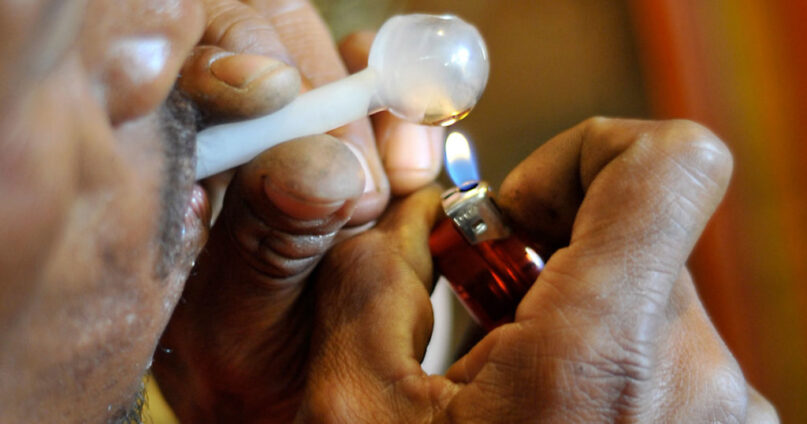
The pressure to provide can drive men toward risky coping mechanisms. Substance use, particularly alcohol abuse, has become endemic in many Ghanaian communities, often masked as social celebration rather than recognised as self-medication for depression and anxiety. What begins as occasional drinking to numb stress frequently spirals into addiction, compounding mental health deterioration and straining family relationships.
Why This Matters for Ghana
Ghana's healthcare system is already overburdened; mental health services remain underfunded and geographically concentrated in urban centres. Most Ghanaians lack access to trained mental health professionals, particularly those who understand how mental illness manifests differently in men or who can communicate in local languages.
The ripple effects of untreated male mental health extend across Ghanaian society. Men struggling with depression and anxiety become absent fathers, withdrawn partners and disengaged community members. Substance abuse linked to untreated mental illness fuels domestic violence, crime, and social instability. Suicide among men, though underreported, remains a leading cause of death among working-age males.
Breaking this cycle requires sustained investment. Ghana's government and private healthcare providers must expand mental health services, train primary healthcare workers to recognise depression and anxiety, and create affordable counselling options. Employers, particularly in Ghana's formal sector, should implement employee assistance programmes and foster workplace cultures where men feel safe discussing struggles.
Equally important is cultural change. Ghanaian families, religious leaders, teachers and media must redefine strength to include emotional honesty, help-seeking and compassion. Campaigns similar to international movements like Movember, adapted for Ghanaian contexts, could help normalise conversations about men's mental health.
A Path Forward
Ghana has the opportunity to pioneer men's mental health advocacy across West Africa. This begins with acknowledging that a man asking for help is not weak but wise. Every conversation, every trained counsellor, every workplace policy that prioritises wellbeing contributes to a healthier nation.
When Ghanaian men are mentally well, families thrive, communities strengthen, and the nation progresses. Breaking the silence is not a luxury—it is essential infrastructure for Ghana's future.
Source: The Ghana Report


Comments (0)
Be the first to comment.