
Ghana's Healthcare Crisis: 17 Doctors Struggling with Mental Health, 12 Fighting Substance Abuse

The Ghana Medical and Dental Council has flagged a growing concern within the country's healthcare sector, revealing that at least 17 medical practitioners are currently dealing with mental health conditions whilst 12 doctors are battling substance abuse issues. The disclosure underscores a serious wellness crisis among frontline healthcare workers that could have far-reaching implications for Ghana's already strained health system.
These figures represent practitioners who have formally come to the attention of regulatory authorities, suggesting the actual number struggling privately may be considerably higher. The revelation comes at a time when Ghana's healthcare workforce is under immense pressure, with doctors and nurses working in under-resourced facilities and managing overwhelming patient caseloads.
Why This Matters for Ghana's Healthcare System
The mental health and substance abuse challenges facing Ghanaian doctors are not merely personal struggles—they directly impact the quality of care patients receive across the nation's hospitals, clinics and health centres. A doctor battling untreated depression, anxiety or substance dependency may struggle to make critical clinical decisions, maintain professional boundaries, or provide the empathetic care patients deserve.
Ghana's healthcare sector already contends with significant staffing shortages, inadequate equipment and limited resources. Adding physician wellness issues to this equation compounds the problem. When doctors are unable to perform at their best due to health challenges, patient outcomes suffer, and the broader public health infrastructure becomes compromised. For Ghanaians seeking treatment—whether in Accra's teaching hospitals or rural clinics—doctor wellbeing directly translates to their own health security.
The Systemic Pressures Behind the Numbers
Several factors likely contribute to these troubling statistics. Ghana's doctors operate in a high-stress environment characterised by long hours, emotional labour managing critical cases, and the weight of being responsible for human lives. Many work in facilities lacking basic medical supplies, forcing them to make difficult clinical decisions with inadequate resources. Financial pressures, inadequate remuneration compared to peers in diaspora, and limited mental health support infrastructure all compound the challenge.
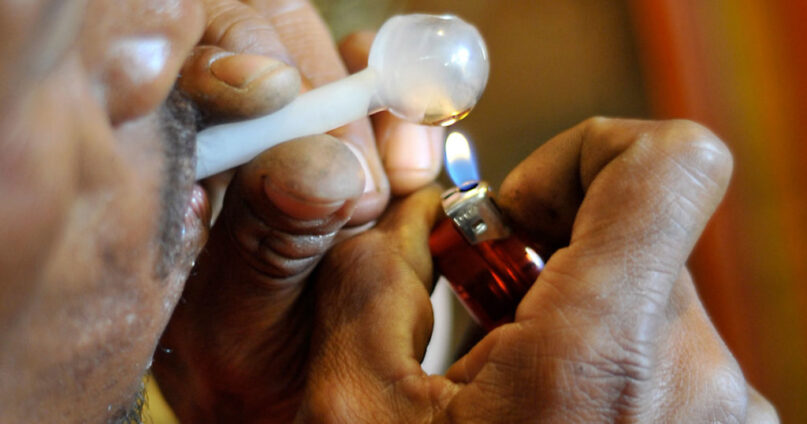
The substance abuse figures are particularly concerning, as addiction among healthcare professionals can escalate quickly given access to controlled medications and the stigma that prevents many from seeking help early. Without robust occupational health and support systems in place, struggling doctors may self-medicate rather than access formal treatment.
The Path Forward
The Medical and Dental Council's disclosure, whilst sobering, represents a necessary first step toward addressing the issue transparently. Ghana's healthcare sector urgently needs:
- Mandatory mental health support and counselling services for healthcare workers
- Rehabilitation and treatment programmes specifically designed for doctors and nurses battling addiction
- Workplace wellness initiatives that reduce burnout and stress
- Open dialogue about mental health that reduces stigma and encourages early intervention
- Investigation into systemic workplace conditions that contribute to these conditions
The government, healthcare institutions and professional bodies must work collaboratively to ensure that those who dedicate their careers to healing have access to the support systems they need. Only then can Ghana's healthcare workers perform optimally and deliver the standard of care Ghanaians deserve.
Source: 3News


Comments (0)
Be the first to comment.