Beyond the Waters: How Ghanaians Battle Psychological Scars After Devastating Floods
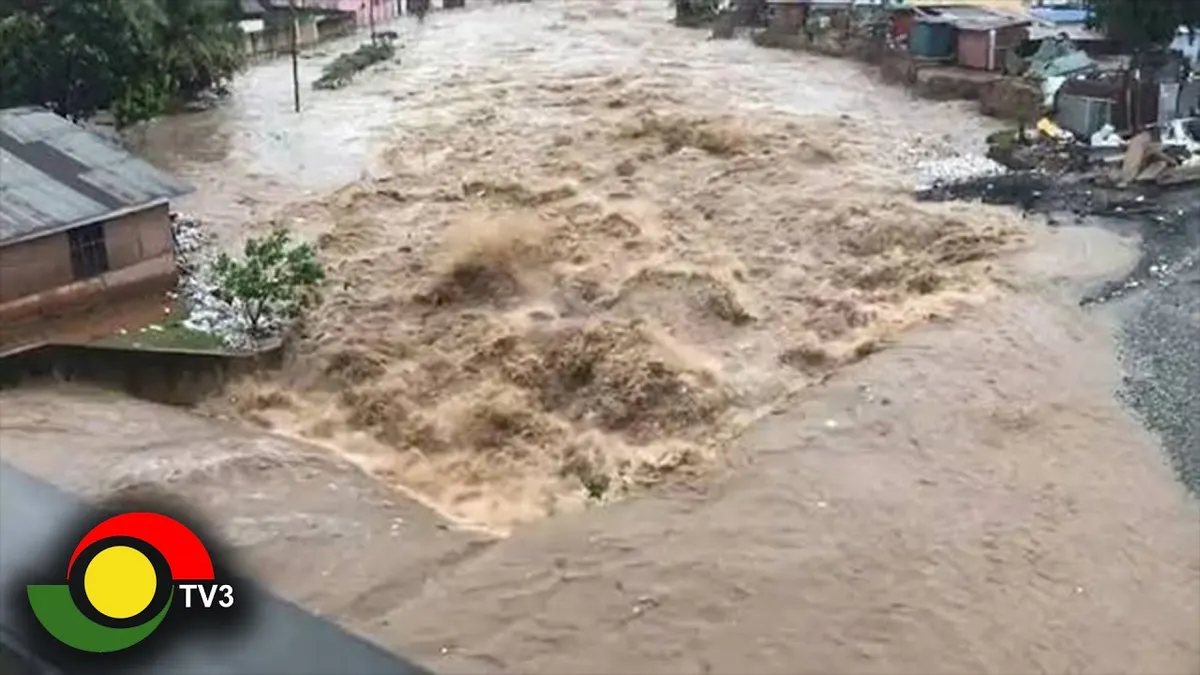
As floodwaters recede across Ghana, a less visible but equally devastating crisis unfolds in the minds of thousands of survivors. While news coverage focuses on physical damage and rebuilding efforts, mental health experts warn that the psychological toll of flooding—often overlooked in disaster response—threatens the long-term recovery of affected communities.
Charlotte Akolatse is among countless Ghanaians grappling with trauma in the aftermath of major flooding. Her experience reflects a broader pattern: survivors face nightmares, anxiety, depression and difficulty functioning in daily life long after their homes have been restored. Yet few have access to the psychological support they desperately need.
The Hidden Crisis of Flood Trauma
Flooding in Ghana leaves visible scars—destroyed homes, contaminated water supplies, damaged livelihoods. But the invisible wounds run equally deep. Survivors often experience post-traumatic stress disorder, particularly those who witnessed dangerous conditions, lost loved ones, or spent prolonged periods in emergency shelters. Children, who lack coping mechanisms adults possess, are especially vulnerable to lasting psychological harm.
The trauma manifests in various ways. Some survivors report insomnia and vivid nightmares about rising waters. Others develop hypervigilance during rainy seasons, experiencing panic attacks at the sound of heavy rainfall. Displaced families struggle with homelessness-related depression, whilst those who lost livelihoods face identity crises and financial anxiety compounding their emotional distress.
Why It Matters for Ghana's Flood Recovery
Ghana's flood response traditionally emphasises immediate humanitarian aid and infrastructure repair—essential steps, but incomplete ones. Without adequate mental health intervention, survivors face reduced capacity to rebuild effectively. Unaddressed trauma increases risks of substance abuse, domestic violence, and suicide within affected communities. Children's educational development suffers when anxiety and depression interfere with concentration and attendance.
The economic argument is equally compelling: trauma-affected individuals become less productive workers, unable to fully engage in recovery activities or return to employment. For a nation already stretched thin managing disaster response costs, the long-term expense of untreated mental health crises exceeds the investment in prevention and early intervention.
Barriers to Mental Health Support
Several factors prevent survivors from accessing psychological care. Ghana faces a chronic shortage of mental health professionals, with most concentrated in urban centres far from flood-affected rural areas. Stigma around mental illness discourages people from seeking help, particularly in conservative communities. Additionally, survivor focused on immediate survival—finding shelter, accessing clean water, earning income—understandably prioritise physical needs over mental health until crises escalate.
Government and NGO resources, limited as they are, concentrate on distributing relief items rather than establishing counselling services. Many affected areas lack even basic psychological first aid training for volunteers and community health workers.
As Ghana faces increasingly severe weather patterns linked to climate change, the pattern of inadequate mental health response in disaster cycles threatens public health outcomes. Integrating mental health services into disaster management protocols, training community counsellors, and removing stigma around trauma treatment should become priorities in national resilience planning. Survivors like Charlotte Akolatse deserve support that extends beyond clearing rubble—they need healing for minds scarred by loss and fear.
Source: 3News


Comments (0)
Be the first to comment.