Ghana's Health Facilities in Disaster Zones Get New Assessment—What It Means for Emergency Response
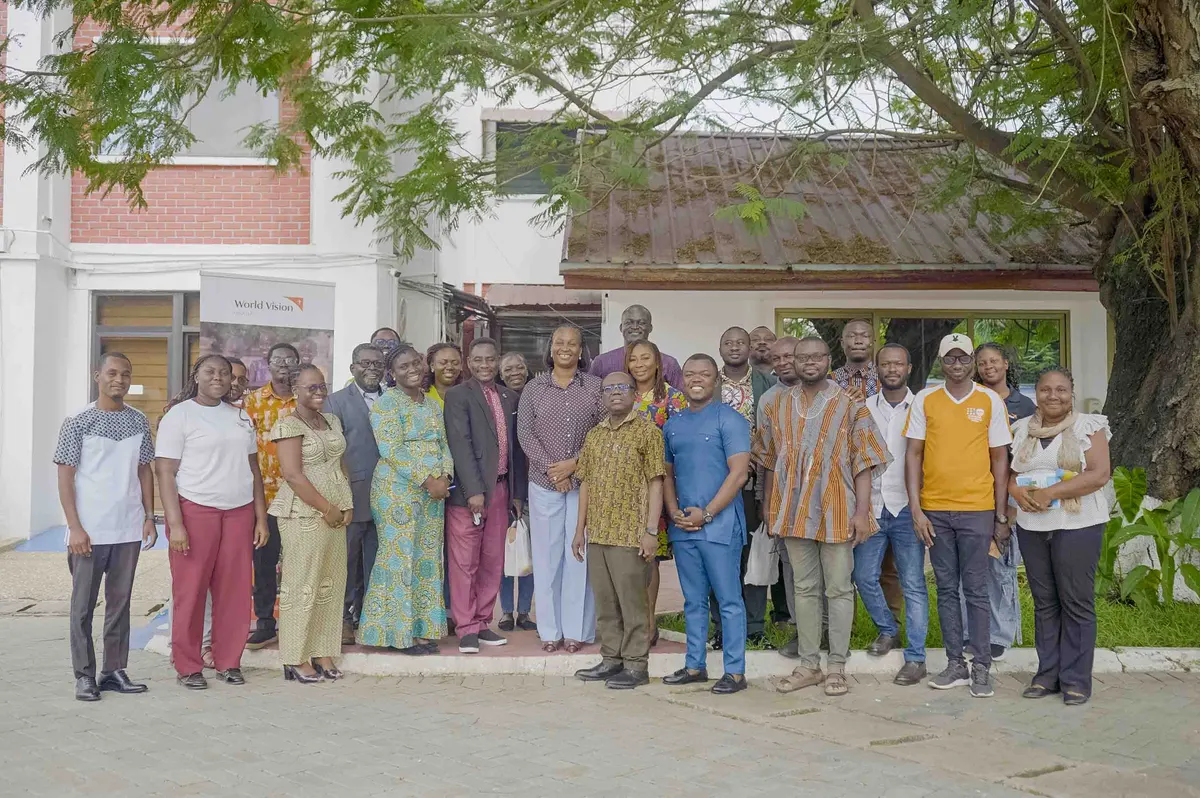
A major collaborative assessment between World Vision Ghana and the United Nations Population Fund (UNFPA) has produced new validation findings on the readiness of health facilities operating in Ghana's disaster-prone areas—a critical step toward ensuring that maternal and sexual and reproductive health services don't collapse when emergencies strike.
The validation exercise, which examined how equipped and prepared health facilities are to respond during disasters and humanitarian crises, reflects a growing recognition that Ghana's healthcare infrastructure must be resilient enough to withstand shocks. Communities in flood-prone, drought-affected, and other vulnerable zones have historically struggled to access reliable maternal health and sexual and reproductive health (SRH) services when emergencies occur.
Strengthening Health System Resilience Amid Crises
The partnership between World Vision Ghana and UNFPA zeroes in on a significant gap in Ghana's health security framework. When disasters strike—whether flooding in the north, coastal erosion in Volta Region, or other environmental emergencies—health facilities often lose access to supplies, staff, or basic infrastructure. Women and girls needing maternal care, family planning, or emergency reproductive health services face dangerous delays.
By validating readiness findings, the organisations are building an evidence base that can guide policymakers and health officials in strengthening preparedness. The assessment likely examined factors such as emergency supply stockpiles, staff training on crisis protocols, backup power systems, water and sanitation capacity, and communication networks that remain functional during emergencies.
Why It Matters for Ghana
Ghana faces recurrent disaster risks. Seasonal flooding affects northern regions annually, whilst coastal communities contend with erosion and storm surges. In rural and remote areas, health facilities already operate with limited resources; a disaster can render them completely non-functional. The consequences are severe: pregnant women unable to access ante-natal care or emergency obstetric services, delays in family planning provision, and increased vulnerability for survivors of sexual violence who need post-rape care.
This validation work is part of a broader push to integrate disaster preparedness into Ghana's health system architecture. When health facilities are ready—with contingency plans, trained staff, and adequate supplies—communities can maintain essential services even during crises. This protects maternal mortality outcomes and ensures that vulnerable populations don't lose access to life-saving reproductive health support during humanitarian emergencies.
The findings from this exercise should inform resource allocation decisions at district and regional health directorates, particularly in high-risk areas. It also strengthens Ghana's commitment to the Sustainable Development Goals, particularly SDG 3 (Good Health and Wellbeing) and SDG 5 (Gender Equality), both of which depend on continuous access to quality health services.
Next Steps and Implementation
The validation meeting represents a waypoint, not an endpoint. The real test will be whether the findings translate into concrete improvements: upgraded facilities in disaster zones, trained rapid-response teams, pre-positioned medical supplies, and updated emergency protocols at health centres and clinics. District health offices and the Ghana Health Service will need to prioritise implementation, with support from development partners like World Vision and UNFPA.
This initiative underscores that health security is also disaster security. A health system that cannot function when communities are in crisis is a health system that fails its core mission.
Source: 3News



Comments (0)
Be the first to comment.