Ghana faces youth addiction crisis: Why experts warn the nation cannot ignore substance abuse epidemic
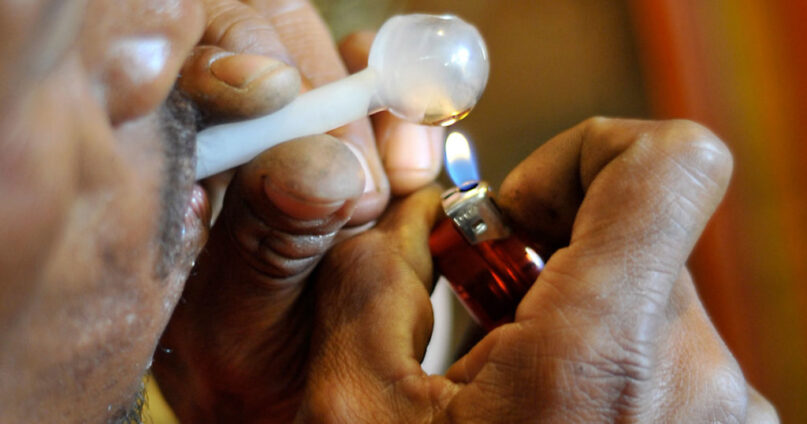
Ghana stands at a crossroads as substance abuse among young people reaches alarming levels, prompting urgent warnings from the Narcotics Control Commission and international health bodies. The crisis threatens not only individual futures but the country's social and economic fabric, with experts calling for immediate, coordinated national action to prevent what they describe as a generational catastrophe.
The scope of the problem extends far beyond recreational drug use. Young Ghanaians are increasingly turning to marijuana, tramadol, shisha, and synthetic drugs—often not for pleasure, but as an escape from poverty, unemployment, mental health challenges, and emotional distress. Behind every statistic lies a teenager whose education has stalled, whose health has deteriorated, and whose family has been torn apart by addiction.
Why the crisis is escalating
Multiple factors are driving youth substance abuse in Ghana. Peer pressure remains powerful, particularly in schools and urban communities where drugs are becoming more accessible. Unemployment and poverty leave many young people without purpose or hope, making substance use appear as a temporary refuge from difficult circumstances. Family instability, academic stress, and inadequate mental health support create additional vulnerability. Social media amplifies exposure to drug culture, whilst limited recreational alternatives leave youth with few positive outlets for their energy and emotions.
What often begins as experimentation can rapidly spiral into dependence. Young people experimenting with drugs typically underestimate the risk of addiction, and many lack the information or support systems needed to recognise warning signs before they become trapped.
What this means for Ghana's future
The implications extend well beyond individual users. A generation struggling with substance dependence becomes a weakened workforce, less able to compete in an increasingly demanding global economy. Healthcare systems face mounting pressure treating addiction-related illnesses and injuries. Crime rates rise as addiction fuels desperate behaviour. Educational attainment suffers when students drop out to feed their habits. Perhaps most significantly, Ghana loses the doctors, engineers, teachers, and entrepreneurs who could have driven national development.
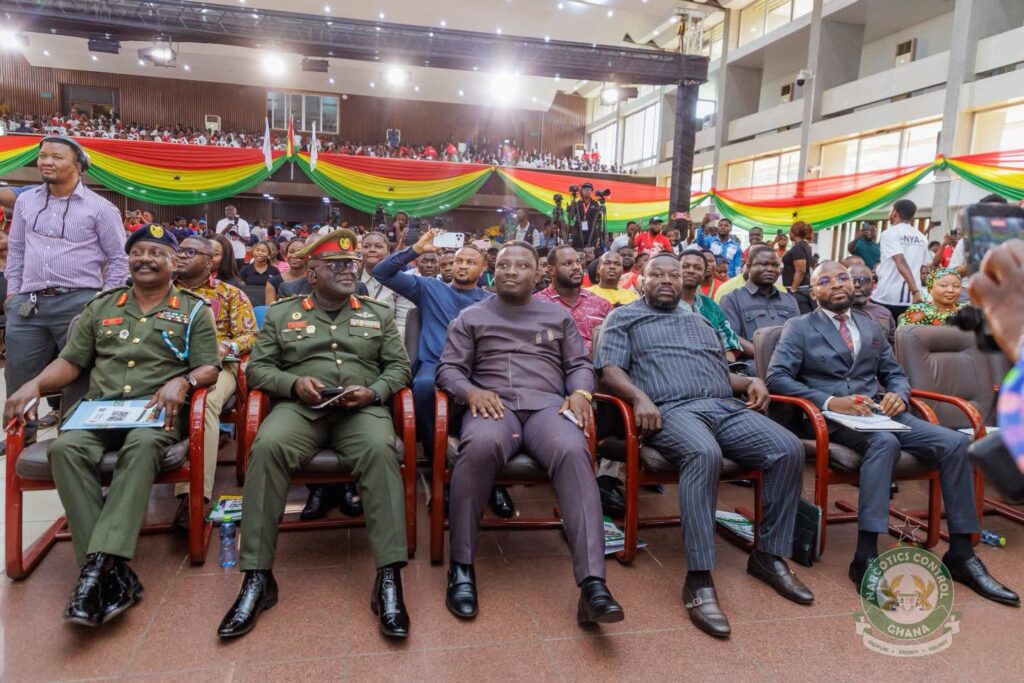
NACOC Director-General Brigadier General Maxwell Obuba Mantey's warning that Ghana risks losing its future generation should not be dismissed as alarmism. Communities across the country are already experiencing the tangible damage of this crisis in their schools, homes, and streets.
The path forward: prevention, treatment, and opportunity
Experts argue that awareness campaigns, whilst necessary, are insufficient. Ghana must urgently invest in comprehensive interventions across multiple fronts:
- Mental health and counselling services must become accessible and affordable, particularly in schools where guidance units can identify vulnerable students before addiction takes hold
- Youth employment programmes and entrepreneurship support are essential—a young person with meaningful work and skills is far less likely to seek comfort in drugs
- Treatment and rehabilitation should prioritise compassion alongside accountability, recognising addiction as a public health challenge requiring reintegration support, not merely punishment
- Community mobilisation involving families, religious bodies, traditional authorities, and civil society must create environments that actively discourage substance abuse and promote healthy lifestyles
- Recreational facilities and vocational training programmes provide positive alternatives to drug use
Criminalising young drug users without addressing root causes—unemployment, poverty, trauma, mental illness—will only deepen the crisis. Young people need pathways to recovery and reintegration, not dead ends in the criminal justice system.
Ghana has overcome major national challenges before through collective commitment and unity. Reversing the youth substance abuse epidemic requires that same national spirit. Families, educators, healthcare workers, policymakers, law enforcement, traditional leaders, and young people themselves must work in concert to protect Ghana's most valuable resource—its youth.
The window to act is narrowing. Every month of inaction means more shattered dreams, more broken families, and more lost potential. Ghana cannot afford the cost of further delay.
Source: The Ghana Report


Comments (0)
Be the first to comment.