
Voices from the margins: Young addicts at Accra's Timber Market open up on addiction and survival


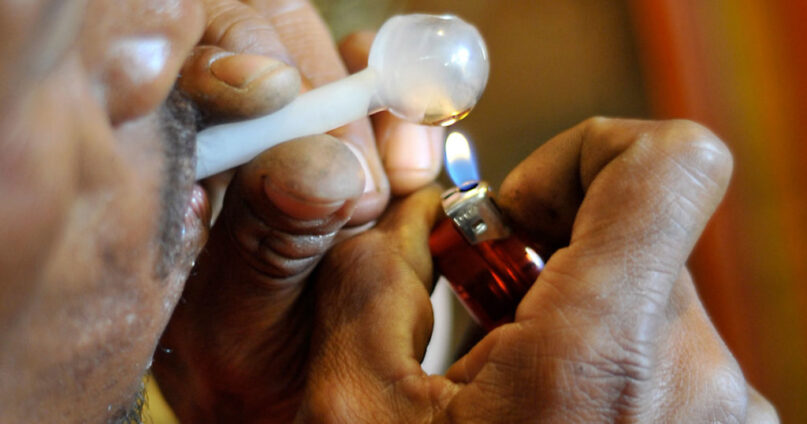
A troubling social crisis is unfolding in one of Accra's most neglected urban spaces. Young people struggling with drug addiction are increasingly congregating at the Timber Market ghetto, a sprawling informal settlement where survival and substance dependency have become intertwined. Recent investigative work by Onua TV News has brought attention to their stories, revealing the human cost of Ghana's growing addiction problem.
The Timber Market area, located in central Accra, has long been a hub for informal economic activity and vulnerable populations. However, residents and observers report that drug use among young people in the area has reached critical levels, prompting media outlets and civil society groups to investigate the root causes and lived experiences of those caught in the cycle of addiction.
The voices of those affected
Through interviews with young addicts living in the Timber Market ghetto, a pattern emerges: many express deep regret about how addiction has derailed their lives. These narratives underscore the psychological and social dimensions of substance abuse—not merely a matter of individual choice, but often rooted in poverty, lack of opportunity, broken family structures, and limited access to mental health and rehabilitation services. The willingness of these individuals to share their stories signals both their desperation for help and a broader cry for society to acknowledge the problem.
The accounts reveal struggles that extend beyond drug use itself. Young people in such environments often face barriers to education, employment and social integration, making them vulnerable to exploitation and self-destructive coping mechanisms. Addiction becomes not just a personal crisis but a symptom of systemic neglect.
Why this matters for Ghana
Ghana's drug addiction crisis, particularly among urban youth, poses serious threats to public health, social stability and economic productivity. The concentration of addicts in informal settlements like Timber Market reflects broader failures in youth employment, mental health infrastructure and drug demand reduction programmes. If left unaddressed, this trend will create a generation saddled with health complications, criminal records and reduced capacity for meaningful contribution to society.
The government's existing drug policy emphasises supply-side interventions—law enforcement and border control. However, the stories emerging from Timber Market highlight the urgent need for demand-side responses: accessible rehabilitation centres, counselling services, vocational training and social safety nets that can redirect young people away from addiction.
Furthermore, the visibility of this crisis in central Accra raises questions about urban planning and social services delivery. Informal settlements often lack basic health infrastructure, making them ideal breeding grounds for addiction networks and crime. As Ghana aspires to middle-income status, leaving communities like Timber Market behind is both morally indefensible and economically counterproductive.
The path forward
Media investigations like Onua TV's work are valuable in raising public awareness, but lasting change requires coordinated action. Civil society organisations, health providers, local government and national authorities must collaborate on comprehensive interventions that combine treatment access with livelihood support and harm reduction strategies.
The young people at Timber Market are not statistics—they are citizens whose regrets and struggles deserve serious national attention. Their stories should serve as a wake-up call for policymakers to rethink how Ghana responds to addiction and supports its most vulnerable youth.
Source: 3News

Comments (0)
Be the first to comment.