
Ghana's Rising Mental Health Cases Reflect Progress, Not Crisis – Willingway CEO Warns of Drug Abuse Epidemic
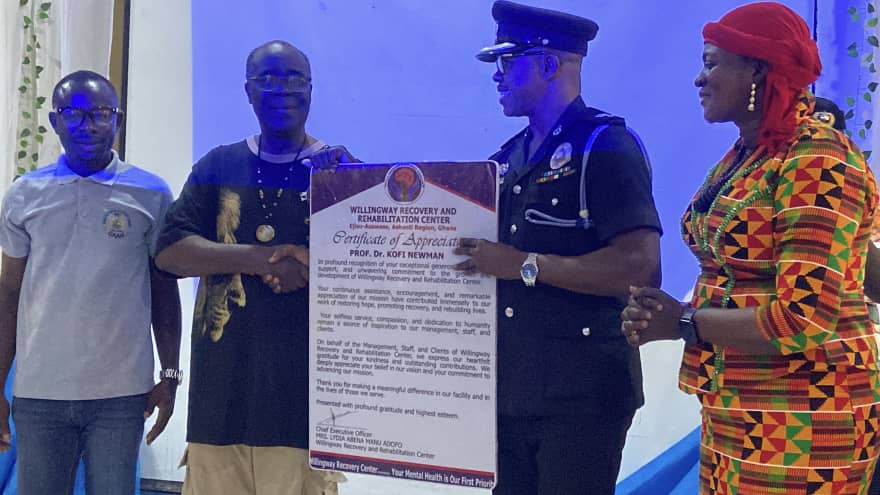
Rising mental health cases in Ghana should be celebrated as a sign of progress rather than panic, according to Lydia Abena Manu Adofo, Chief Executive Officer of The Willingway Recovery and Rehabilitation Centre in Ejisu-Asawase, Ashanti Region. Speaking during a recent facility visit, she reframed climbing mental health statistics as evidence that education and sensitisation campaigns are successfully encouraging Ghanaians to seek professional help—a shift from decades of untreated cases hidden by stigma and misconception.
From Silence to Statistics: The Real Story Behind Rising Numbers
For generations, stigma, spiritual misconceptions about mental illness, and lack of awareness meant thousands of Ghanaians suffered in silence at home, in prayer camps, or on the streets. Health facilities recorded artificially low numbers because patients never came forward. Mrs. Adofo explained that sustained advocacy by mental health professionals, NGOs and media outlets has transformed this narrative over recent years. "Looking at statistics from 2018, cases are rising over the years," she noted. "People were not coming out for treatment, but through education and sensitisation programmes, they started going for treatment."
This shift brings a silver lining: better data allows government and health institutions to plan resources more effectively and understand the true burden of mental illness in Ghana.
The Real Crisis: Substance Abuse Among Ghana's Youth
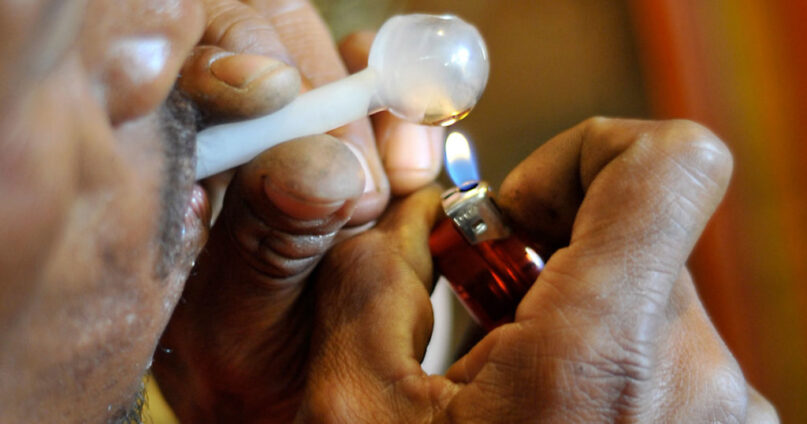
While improved help-seeking is positive, Mrs. Adofo sounded an urgent alarm about the profile of patients arriving at Willingway. Substance abuse—particularly involving tramadol, cannabis, cocaine and synthetic drugs—is a leading cause of mental health cases, with most diagnoses centring on drug-related psychosis. The victims are predominantly young men whose substance abuse is derailing their futures.
"My advice to the youth is that they should completely stay away from drugs because it will end their careers and it will end their dreams," she warned. Mrs. Adofo called on parents, schools, religious bodies and community leaders to intensify drug prevention education and create safe spaces for young people to discuss their challenges. She emphasised that mental health conditions are treatable and that early professional intervention is critical to recovery.
Why It Matters for Ghana: A Call for Regional Rehabilitation Infrastructure
Mrs. Adofo's most urgent appeal was directed at government: Ghana needs at least one public rehabilitation centre and psychiatric hospital in each of the country's 16 regions. Currently, patients across Ashanti and the entire northern sector must travel to Pantang Hospital, Ankaful Psychiatric Hospital or Accra Psychiatric Hospital—journeys that place severe financial strain on families already paying full treatment costs. Travel expenses, accommodation and feeding for caregivers force many families to abandon treatment, triggering relapse and perpetuating cycles of addiction and mental illness.
Regional facilities would address multiple barriers simultaneously. They would reduce transport costs, ensure continuity of care, enable community reintegration, and strengthen family support systems—all proven critical to lasting recovery. Without this infrastructure shift, Ghana risks losing thousands of young people to preventable mental health crises driven by substance abuse.
Dr. Kofi Newman (Prof. Lungu), a US-based Ghanaian land-use planner and long-time Willingway supporter, highlighted the stark gap between mental health systems in developed countries and Ghana. While the United States offers decentralised, well-funded community-based rehab centres with insurance coverage and strong aftercare, Ghana struggles with limited facilities, inadequate staffing, and minimal investment. Without urgent policy action and resource allocation, Ghana's improving help-seeking behaviour could be undermined by a system unable to meet demand or ensure recovery.
Source: MyJoyOnline


Comments (0)
Be the first to comment.