Ghana's Chief Justice Pushes Employers to Break Mental Health Stigma in Workplaces
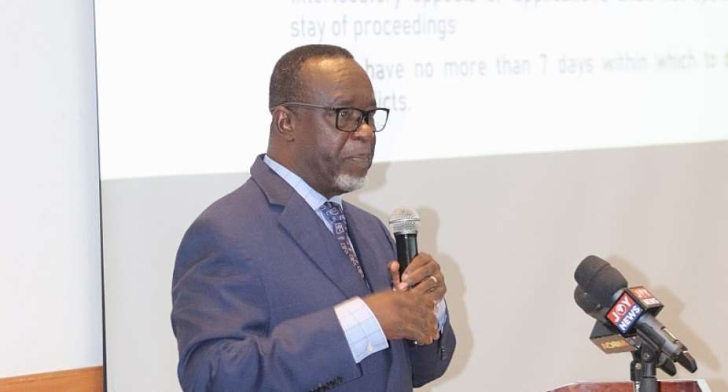
Ghana's Chief Justice Paul Baffoe-Bonnie has issued a powerful call to employers across the country to cultivate inclusive and compassionate workplaces that actively challenge the stigma surrounding mental health conditions. Speaking through Supreme Court Judge Sophia Rosetta Bernasko-Essah at Ghana's World Mental Health Day observance on 9 October, the Chief Justice emphasised that mental well-being is not a luxury or secondary concern—it is fundamental to building effective, humane institutions.
The event, held at the Court Complex in Accra and jointly organised by the Greater Accra Regional Health Service and the Judicial Service of Ghana, centred on the theme "Lived Experiences Heard: Real Voices, Real Change," reflecting a growing recognition that mental health recovery hinges on community support and institutional action rather than individual responsibility alone.
The Silent Barrier: Why Stigma Keeps People Silent
According to the Chief Justice, stigma and fear of judgment remain significant obstacles preventing people from seeking help or speaking openly about mental health struggles. Many individuals remain trapped in silence, fearing workplace discrimination or social exclusion if they disclose their challenges. This silence, he warned, perpetuates cycles of suffering and prevents timely intervention that could alleviate serious conditions.
The Chief Justice stressed that society must move beyond sympathy—merely feeling sorry for those struggling—and instead construct tangible systems of support. He called for employers to listen with genuine empathy to the lived experiences of their employees, allowing these stories to shape workplace policies, support structures and responses to staff in crisis. "We must listen with empathy; most importantly, we must let those experiences inform how we design policies, provide support, and respond to people going through difficult periods," he said.
Building Mental Health into Workplace Culture
A critical part of the Chief Justice's message was reframing how organisations view mental health support. Seeking help should never be interpreted as weakness; rather, it reflects courage and self-awareness. To achieve this cultural shift, employers must:
- Create institutional environments where employees feel psychologically safe discussing mental health without fear of judgment or career repercussions
- Sustain regular conversations about mental well-being rather than treating it as an annual checkbox
- Foster peer support networks among colleagues, reducing isolation
- Ensure access to professional mental health services and counselling
- Implement mental health screening and early assessments to identify concerns before they escalate
The Chief Justice highlighted that the mental well-being of judicial officers and court staff directly affects the quality and integrity of Ghana's justice system. When judges, lawyers and court personnel are struggling mentally, it compromises their ability to perform duties with the clarity and compassion justice demands. By extension, every workplace—government agencies, private companies, NGOs—benefits when employees have their mental health supported.
Why This Matters for Ghana
Ghana faces a significant mental health crisis that remains largely invisible. While exact prevalence figures are difficult to pin down, studies indicate that depression, anxiety and other mental health conditions affect a substantial portion of the population, yet fewer than one in ten seek professional care. Workplace stigma is a major factor: employees fear being labelled, sidelined or passed over for promotion if they disclose struggles.
The Chief Justice's call comes at a crucial moment, as Ghana's mental health system is already strained—few psychiatrists, limited facility beds and minimal integration of mental health into primary care. When workplaces fail to support mental health, the burden falls on overstretched public health services and families. By contrast, supportive employers can prevent crises, reduce presenteeism (when people work while unwell), and improve productivity and retention.
The World Mental Health Day event also included free screenings for chronic conditions and mental health assessments, signalling a move toward destigmatisation through normalised health checks. If Ghana's institutions—courts, civil service, schools, private sector—embed this ethos into their cultures, the cumulative effect could transform how the nation addresses mental health.
Source: MyJoyOnline




Comments (0)
Be the first to comment.