
Judges must stick to courtroom rulings, not public commentary, Haruna warns Chief Justice


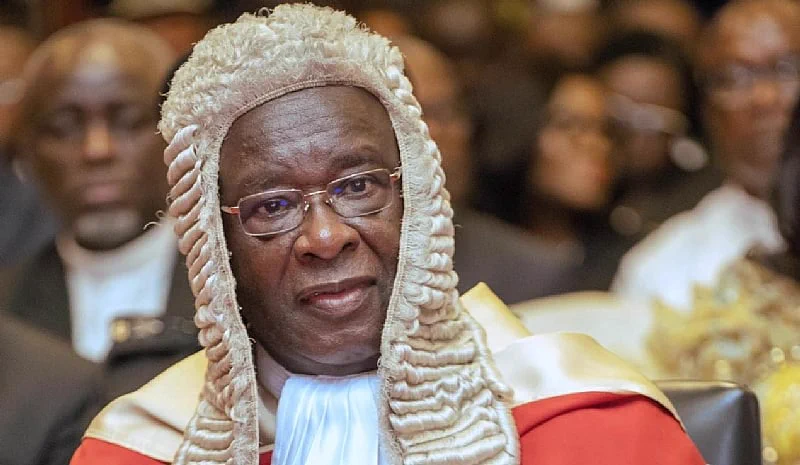
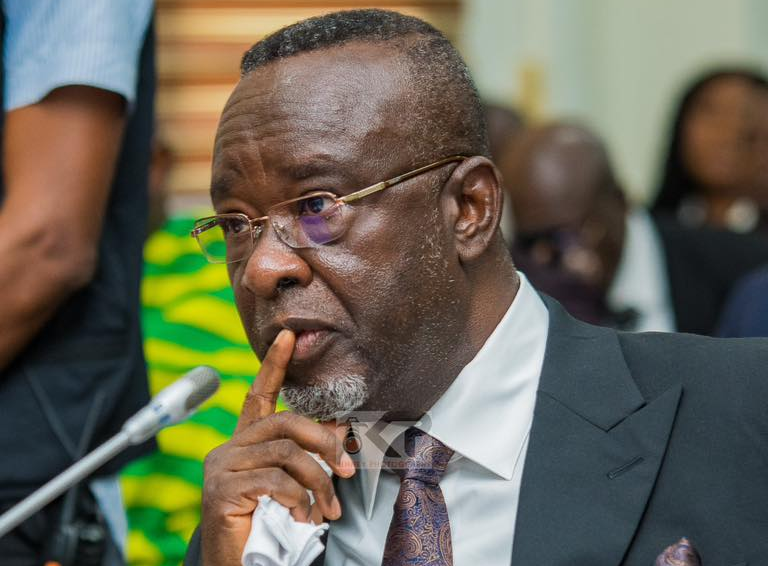
Former Inspector-General of Police Haruna Mohammed has issued a stern warning to Ghana's judiciary, emphasising that judges should confine their views to the courtroom rather than engage in public discourse on matters beyond their legal remit. The warning comes amid growing scrutiny of Justice Baffoe-Bonnie's recent public comments praising state institutions for their financial performance, as documented by the State Interests and Governance Authority (SIGA).
Haruna's intervention underscores a broader conversation about judicial independence and the appropriate boundaries of judicial commentary in Ghana's public sphere. His position suggests that when justices venture into public opinion-making—particularly on matters involving institutional performance and governance—they risk compromising the neutrality expected of the bench.
The controversy surrounding Justice Baffoe-Bonnie
Justice Baffoe-Bonnie drew public attention after making statements praising profitable state-owned enterprises and public institutions. These remarks, circulated through SIGA reports, sparked debate about whether such commentary was appropriate for a sitting judge. Critics argued that public praise for government-aligned institutions could undermine the judiciary's appearance of impartiality, particularly in matters that might later come before the courts.
The incident highlights a tension within Ghana's judicial system: the freedom of individual judges to participate in national discourse versus the institutional necessity of maintaining public confidence in the courts' neutrality. Haruna's rebuke suggests the former IGP believes the balance has tilted too far toward the latter concern.
Why it matters for Ghana
Public confidence in Ghana's judiciary is foundational to democratic governance and the rule of law. When judges are perceived as aligned with government interests or when they use their platforms to publicly endorse state policies and institutions, citizens may lose faith in the courts' ability to deliver impartial justice. This is particularly acute in Ghana, where concerns about institutional independence have periodically surfaced.
Haruna's warning reflects a professional perspective from someone who headed a major state institution himself. His message—that leadership figures, including judges, must distinguish between their private views and their public institutional roles—carries weight in Ghanaian governance debates. The judiciary's credibility depends partly on its perceived separation from executive influence and partisan consideration.
The incident also raises questions about how much public engagement is appropriate for sitting judges. While retired judges often participate in public discourse, active justices occupy a different position. Their words can carry official weight and may influence public perception in ways that compromise future cases or breed suspicion of institutional bias.
What comes next
Haruna's intervention may prompt broader reflection within Ghana's judicial leadership about communication protocols and appropriate forums for judicial commentary. The Chief Justice and senior leadership may need to issue guidance clarifying expectations for judges' public engagement.
The dispute touches on established principles of judicial conduct followed in many Commonwealth jurisdictions, including Ghana. These typically hold that judges should avoid public comment on matters that could come before courts or that might appear to align the judiciary with particular political or institutional interests.
For ordinary Ghanaians, the takeaway is clear: a functioning democracy requires institutions with credible independence. Whether judges speak publicly or remain silent on governance matters, maintaining public trust in judicial impartiality must remain the priority.
Source: 3News



Comments (0)
Be the first to comment.